-

What do piranhas, bony fish of the class Osteichthyes, eat to grow up? How much does one cost on the market? What are their natural enemies? What fish are good to keep them with? (With farming techniques)
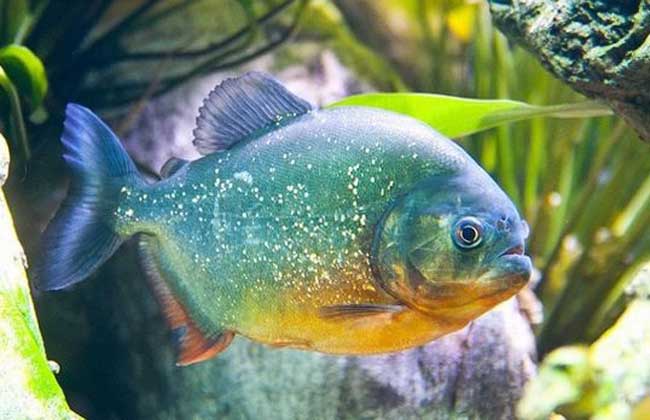
Piranha, also known as red-bellied piranha and man-eating fish, is more commonly found in places with relatively swift currents, main channels and wider rivers. Because of its good-looking appearance, it is deeply loved by aquarium hobbyists, so what do piranhas eat to grow up? How much does one cost on the market? What are their natural enemies? And with what fish
-
How should red-bellied piranhas (characids) be kept?
The red-bellied piranha (characid) is indeed one of the most ferocious fish around, and kept as an ornamental pet in an aquarium it has an absolutely extraordinary presence. Red-bellied piranhas from different origins also differ somewhat, so let us take a look together at how to keep red-bellied piranhas (characids).
-
How to Keep Piranhas? Breeding Methods and Precautions
Piranhas, also known as man-eating pacu, mainly live in the Amazon River basin of South America, and their appearance is rather frightening. So how do you keep piranhas? Let's take a look together! How to keep piranhas 1. Breeding preparation: First you need to know the piranha's own characteristics and species, then decide
-
Common Winter Disease Prevention and Treatment Methods for Freshwater Piranha
In winter, when the water temperature is between 15°C and 20°C, juvenile freshwater piranha are prone to Ichthyophthirius disease, white skin disease, and Dactylogyrus disease. During overwintering, freshwater piranha are prone to saprolegniasis, water mold disease, and Trichodina disease. The symptoms and prevention and treatment methods for these diseases are introduced below
-
Precautions for Nursing Freshwater Piranha (Piaractus brachypomus) Fry: What Key Points Must Farmers Master?
Freshwater piranha (Piaractus brachypomus) is an omnivorous fish; the young fish (fry) mainly feed on large zooplankton, and also consume organic debris and various artificial feeds. The following precautions should be noted during the fry nursing stage: I. Dedicated pond nursing. Because freshwater piranha is omnivorous, grows fast, has few diseases,
-

A close relative of the piranha appears in the Yangtze River? Citizens released 40 truckloads of fish at once
A close relative of the piranha has made its way into the Yangtze River? And citizens even released 40 truckloads of fish into the river at one time!
-

-

Do Piranhas Have Natural Predators? A Detailed Look at Piranhas' Main Enemies
Do piranhas have natural predators?
-

-
条件筛选