-

Planting Methods and Care Guide for Healthy Growth of Pennywort
A detailed introduction to pennywort planting methods and care techniques, including how to grow pennywort, soil mix, light and watering, propagation methods, fertilizing and pruning, pest and disease control, and other practical content.
-

Stephania and Pennywort Are Not the Same Thing: 5 Differences to Tell Them Apart
Some plant lovers always get confused when browsing a flower shop: "This round-leaved plant must be pennywort, right? Why does the shop owner call it Stephania?" Actually, although Stephania and pennywort both have somewhat "round" leaves, they are not the same plant at all. Whether in appearance, growth habit or care needs, the differences are huge! Today I will teach you to tell
-

What is the difference between pennywort and pilea, and which is better?
When walking on the road, sometimes strangers also have look-alike moments, and at this time you must look again and usually you can tell them apart, but once plants look alike it may be hard for people to distinguish them. Among them, pennywort and pilea count as plants with extremely high similarity, their leaves are similar, and especially for flower lovers who are new to the plant hobby it is easy not to tell them apart.
-

Is hydroponic or soil culture better for pennywort? With winter care methods included
Pennywort (Hydrocotyle vulgaris) is a very popular foliage plant. Its leaves are round or kidney-shaped, like ancient copper coins, which is how it got its name. As for how to grow pennywort, there are mainly two methods: hydroponics and soil culture. So, which is better, hydroponics or soil culture? Advantages of hydroponics: Hydroponic pennywort does not need soil, only clean water
-
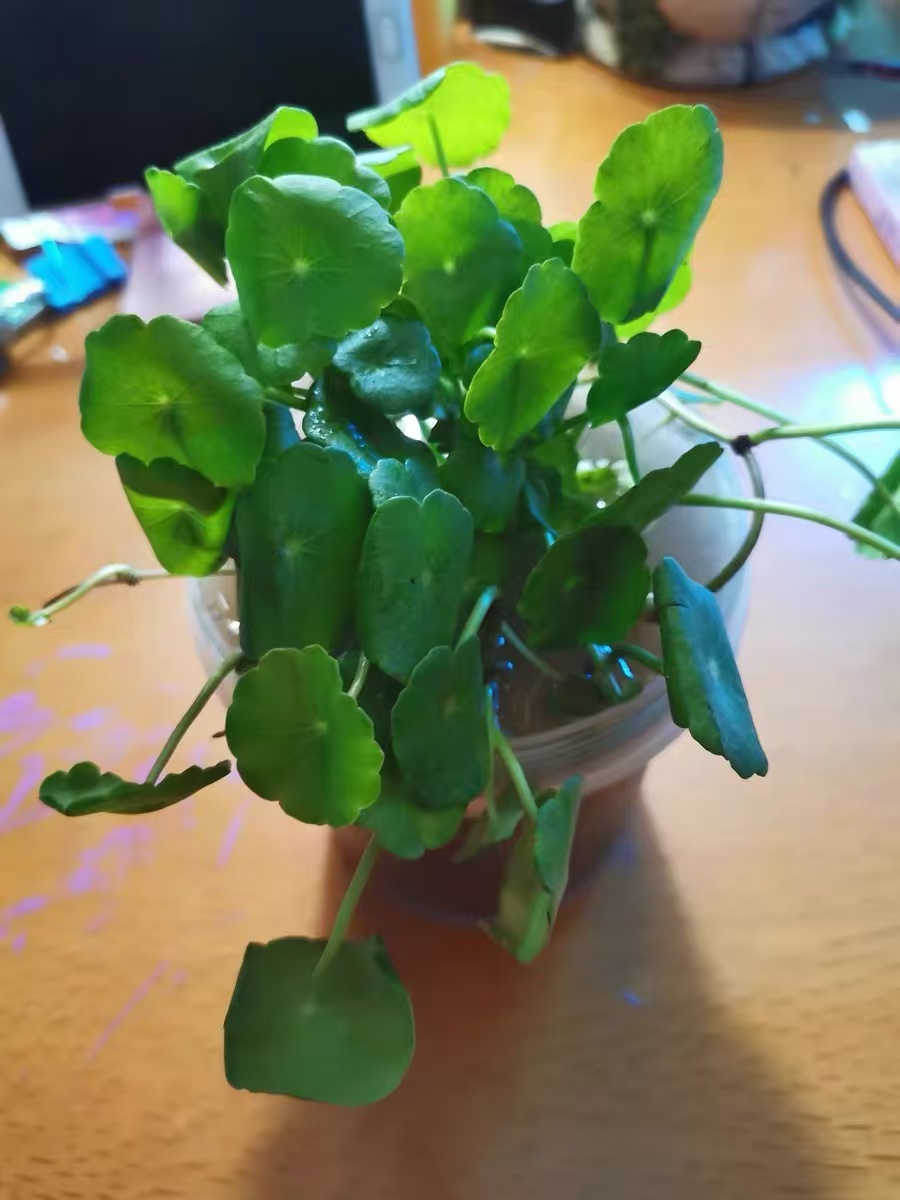
How to Cultivate Hydroponic Pennywort to Achieve a Pot-Bursting Growth?
Pennywort, with its leaves resembling copper coins, is a green plant that is both aesthetically pleasing and carries a good symbolic meaning. Under hydroponic
-

How to Grow Pennywort in Water Until It Overflows the Pot, and Pest Control Tips
Pennywort (Hydrocotyle vulgaris), whose leaves resemble copper coins, is a green plant that is both beautiful and carries an auspicious meaning. Grown in water, pennywort can also thrive and even fill its container to overflowing. However, during water cultivation, pennywort may also run into pest problems. This article explains in detail how to grow pennywort in water so it overflows the pot, as well as how to deal with pests on pennywort.
-

How to grow pennywort so its leaves get big and it fills the pot? Choosing the right fertilizer is key
Many plant lovers want to place some greenery at home to add a touch of natural freshness to their living space. Today we introduce a plant that resembles the ancient Chinese copper coin, "pennywort" (Hydrocotyle vulgaris). Its symbolism is very auspicious, carrying the good meaning of attracting and gathering wealth, and placing it at home can greatly enhance the atmosphere of the space. Pennywort is
-

Prevention and Treatment of Black Spots on Leaves and Dry, Curled Edges of Pennywort, Plus What to Know About Growing and Caring for It
As an outstanding houseplant, pennywort (Hydrocotyle vulgaris) is deeply loved by many plant enthusiasts. However, when small black spots appear on its leaves and the edges become dry and curled, many growers start to feel frustrated. What exactly is going on? Below, let us explore this problem together and find solutions,
-
How to Grow Lysimachia (Primulaceae) and Precautions, Plus the Difference from Pennywort
Lysimachia, also known by aliases such as creeping Jenny, mirror grass, Cuiping grass, lotus-bud grass, meat wonton grass, golden key, lianqian grass, opposite-seat grass, leaf lysimachia, coin-leaf grass, and qianqianjin. It stays evergreen year-round, is grown mainly for its foliage, has perfectly round leaves, and has extremely vigorous vitality, making it very popular among the public.
-
How to grow pennywort (moneywort)? Beginners can keep it alive easily with these few tricks
Pennywort is certainly no stranger to friends who love green plants, and it has many other names, such as creeping Jenny, moneywort, mirror grass, landed money, and so on. As a member of the Primulaceae family, pennywort has always been popular with everyone. Because it is easy to keep alive and easy to grow, it is
条件筛选