-

Can Postpartum Paralysis in Sows Be Cured? Detailed Guide to Prevention and Treatment
Paralysis generally refers to the reduction or loss of voluntary motor function, and it occurs in both humans and animals. For example, pigs, one of the domestic livestock, can develop this condition after giving birth. So can postpartum paralysis in domestic sows be cured? How should it be prevented and treated? 1. Sow
-
How to treat a paralyzed sow? These traditional methods are worth trying
To treat a paralyzed sow, an enema with sodium sulfate or magnesium sulfate laxative can be used to clear the accumulated feces in the rectum, then 50-150ml of 10% calcium gluconate is injected intravenously, while the sick pig's skin is massaged with a straw bundle or coarse cloth to promote blood circulation and the recovery of nerve function. To treat a paralyzed sow, you first need to
-
What to Do If a Cow Is Paralyzed? Detailed Explanation of Fast Treatment Methods
To treat cow paralysis, air can be pumped into the cow's udder to increase udder air pressure and reduce blood flow into it, thereby raising blood calcium levels. This method is the most effective and simplest way to treat postpartum paralysis in cows. Calcium, vitamins and cod liver oil can also be added to the feed or drinking water.
-
What to Do About Prenatal Paralysis in Small-Tailed Han Sheep? A Detailed Guide to Solutions
The Small-Tailed Han sheep is an animal under the Bovidae family and the Caprinae subfamily. It is a dual-purpose meat-and-fur sheep breed in China, characterized by fast growth and development, early maturity, strong reproductive capacity, stable genetic performance, and strong adaptability. It has been designated by the state as a famous and improved livestock breed, and is praised by people as China's national treasure and the world's super
-
What injection should be given to a paralyzed sow? The condition must first be clearly identified before treating the symptoms
Abstract: A paralyzed sow can only be treated after the condition has been diagnosed. After paralysis occurs, it needs to be discovered early, diagnosed early and treated early. If the condition is mild, VD3 can be injected intramuscularly at a dose of about 6-8 mg, once every 3 days, for
-
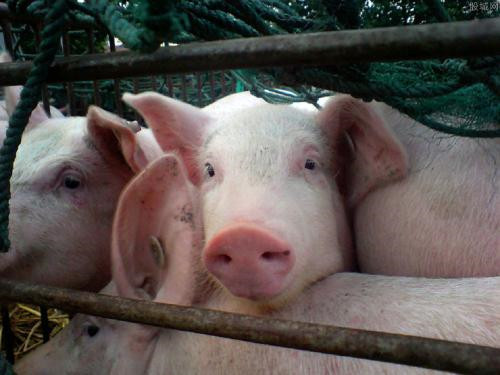
What to Do About Postpartum Paralysis in Sows? Detailed Prevention and Treatment Measures
The sow has postpartum paralysis, what should you do? Prevention and treatment measures must be kept in mind!
-
-
Sow Postpartum Paralysis: What to Do When There Is Severe Calcium Deficiency? Look Here!
Sow Postpartum Paralysis: What to Do When There Is Severe Calcium Deficiency? Look Here!
-
How to treat pig paralysis? What are the proven remedies
Paralysis is a common disease that pigs are prone to, especially with the highest incidence in winter and spring, and it is particularly common in sows. Once the disease is misdiagnosed and the medication does not match the cause, it often leads to prolonged treatment without cure, causing the sick pig to become weak and die. Our local veteran veterinarian Chen Hongyi, in treating thousands of paralysis cases, adopted traditional Chinese veterinary diagnostic techniques, carefully observed the clinical manifestations of the sick pigs, identified the cause of the disease, appropriately selected proven remedies, and then prescribed medicine according to the symptoms. According to reports from many farmers, all paralyzed pigs diagnosed and treated by him not only had a high cure rate, but
-
What is pig paralysis? An analysis of puzzling pig diseases
[Cause] Due to dampness in the pigsty, combined with external contraction of wind-cold-damp pathogenic factors, the meridians and collaterals of the affected pig become stagnant, and the flow of qi and blood becomes sluggish and unsmooth. When blood stasis is not free, there is pain, leading to pain and numbness in the hindquarters. This disease mostly occurs in winter and spring. [Symptoms] It mostly comes on suddenly, starting first from the hind limbs and gradually spreading to the abdomen and even the whole body. The affected pig is lame, with local muscle pain, an arched back and restricted gait; some like to lie down and move reluctantly when driven, but as exercise time increases, the pain gradually eases. Generally, the affected area is tender to pressure, and body temperature is mostly around 38-39°C,
条件筛选