-

How to treat postpartum paralysis in pigs and sheep? This effective formula works well
1. Treating postpartum paralysis in sows. Postpartum paralysis in sows mostly occurs within 2-5 days after farrowing. In the early stage of the disease, the animal is listless, has reduced appetite, and produces less milk; body temperature is normal or slightly elevated. In mild cases, standing is difficult and the hindquarters sway; in typical cases, the animal cannot stand and lies down in a stupor. For treatment, add 4% bone meal, AD3 powder and trace element additives to the feed. Inject the sick pig intramuscularly with 3-5 milliliters of vitamin D3 colloidal calcium, 5-10 milliliters of vitamin E injection (twice daily); vitamin D3 600-1200 international units, once daily, or take an appropriate amount of quicklime, add clean water, stir and let stand. Each time the affected sow is fed, take 300-400 milliliters of the clear supernatant limewater and mix it into the feed. Generally, feeding continuously for 10 days gives a marked curative effect.
-
What are the proven prescriptions for treating pig paralysis?
Paralysis is a common disease that pigs are relatively prone to, with the highest incidence especially in winter and spring, and it is particularly common in sows. Once the disease is misdiagnosed, and the medication does not match the cause, it often leads to prolonged treatment without recovery, causing the sick pig to become weak and die. In my area, the veteran veterinarian Chen Hongyi, in treating over a thousand cases of paralysis, used traditional Chinese veterinary diagnostic techniques, carefully observed the clinical manifestations of the sick pigs, identified the cause of the disease, appropriately selected proven prescriptions, and then prescribed the right medicine. According to reports from many farmers, all paralyzed pigs diagnosed and treated by him not only had a high cure rate, but also a short treatment course and low medication costs.
-
What are the prevention and treatment methods for sheep lumbar paralysis?
Sheep lumbar paralysis is caused by the larvae of a species of Setaria nematode, which are transmitted to sheep through mosquito bites and then parasitize the cerebrospinal cavity of sheep, clinically producing symptoms characterized mainly by lumbar paralysis or hindquarter paralysis. This disease mostly occurs in the 8th, 9th and 10th months of the Gregorian calendar. 1. Symptoms: After a sheep is infected with Setaria nematode larvae, hindquarter movement disorders suddenly appear. In the early stage, the sheep walks unsteadily and sways, and falls easily; after falling, it cannot stand up on its own. It cannot make sharp turns or back up. Later, the affected sheep lies on the ground unable to rise, assuming a sitting-like posture with the forelimbs
-
How to prevent and treat paralysis in sows? These three methods are very practical
Paralysis in sows is a metabolic disease that is extremely likely to occur under conditions such as extensive feeding management and poor feed conditions. Once the disease occurs, it not only affects the sow's value for use, but also affects the quality of the piglets, causing great losses to production. Based on many years of clinical experience, the author achieved satisfactory results in treating sow paralysis by combining Chinese and Western medicines with acupuncture. It is introduced below for the reference of readers. I. Causes of the disease This disease mainly occurs after farrowing and during lactation in sows. The former is due to
-
What are the prevention and control measures for scorpion paralysis
Scorpion paralysis, also known as drag-tail disease, often occurs in the humid period of late summer and early autumn. It is caused by long-term feeding of high-fat feed, which leads to a large accumulation of fat in the scorpion's body. Sick scorpions have a shiny body, enlarged limb segments, move with difficulty and slowness, and have red, secretion-like fatty mucus in the mouthparts. Death begins 5 to 10 days after onset. Prevention and control: 1. Do not feed or feed less high-fat feed; 2. Properly adjust the ambient temperature and humidity; 3. For treatment, fasting for 3 to 5 days may be adopted, or use 3 grams of rhubarb soda tablets, bran (fried until fragrant
-
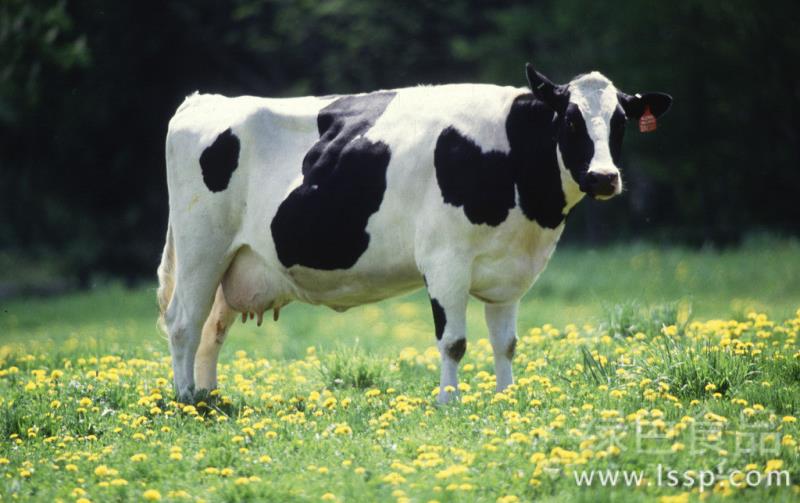
How to prevent and treat weight loss, exhaustion, paralysis and death caused by true abomasitis in dairy cows?
How to prevent and treat weight loss, exhaustion, paralysis and death in dairy cows caused by true abomasitis
-

What to Do About Postpartum Paralysis in Ewes? Detailed Explanation of Causes and Prevention and Treatment Methods
Causes and Prevention and Treatment Methods of Postpartum Paralysis in Ewes
-

What are the treatment methods for postpartum paralysis in sows?
Treatment methods for postpartum paralysis in sows
-

What Causes Duck Paralysis? Detailed Explanation of Prevention and Treatment Methods
Causes of Duck Paralysis and Prevention and Treatment Methods
-

What are the causes of postpartum paralysis in cows and what are the prevention and treatment methods?
Causes and Prevention and Treatment Methods of Postpartum Paralysis in Cows
条件筛选