-

The Complete Guide to Fatsia japonica Planting: Grow It This Way to Get a Full, Thriving Pot
A detailed introduction to the planting methods and care techniques for Fatsia japonica (Japanese aralia), including how to grow it, soil mix, light and watering, propagation methods, fertilizing and pruning, pest and disease control, and other practical information.
-
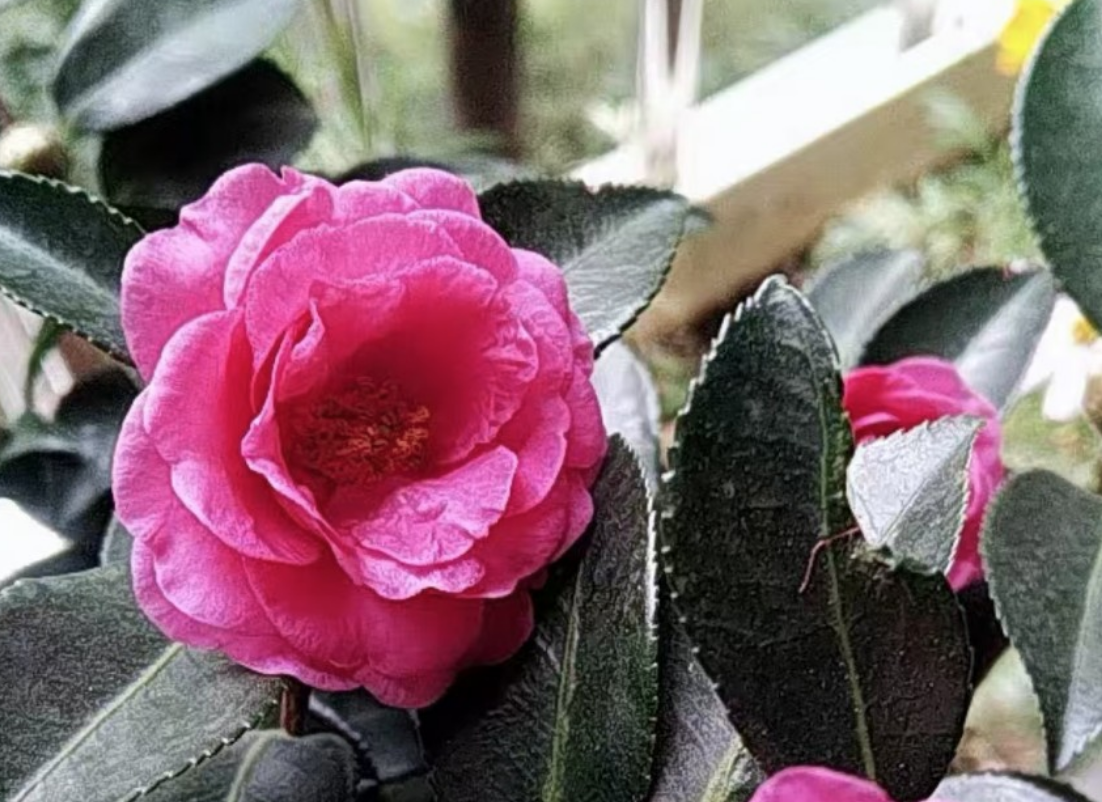
The differences in the growth environments of Camellia sasanqua and Camellia japonica
People are similar, and this is even more so for plants in nature. Especially for plants of the same genus, they are the most likely to be indistinguishable.
-

Why does Serissa japonica (snowbush) have yellow leaves and leaf drop? Bonsai cultivation methods and precautions
Today I introduce a flowering plant that is both ornamental and has medicinal value: Serissa japonica (snowbush). In appearance, its flowers are elegant, its flower shapes and green leaves are lush, and the overall feeling is like a dreamy fairyland, which is why it is loved by many flower lovers. However, during care, many flower lovers say that the Serissa japonica they grow always has headaches such as yellowing leaves and leaf drop.
-
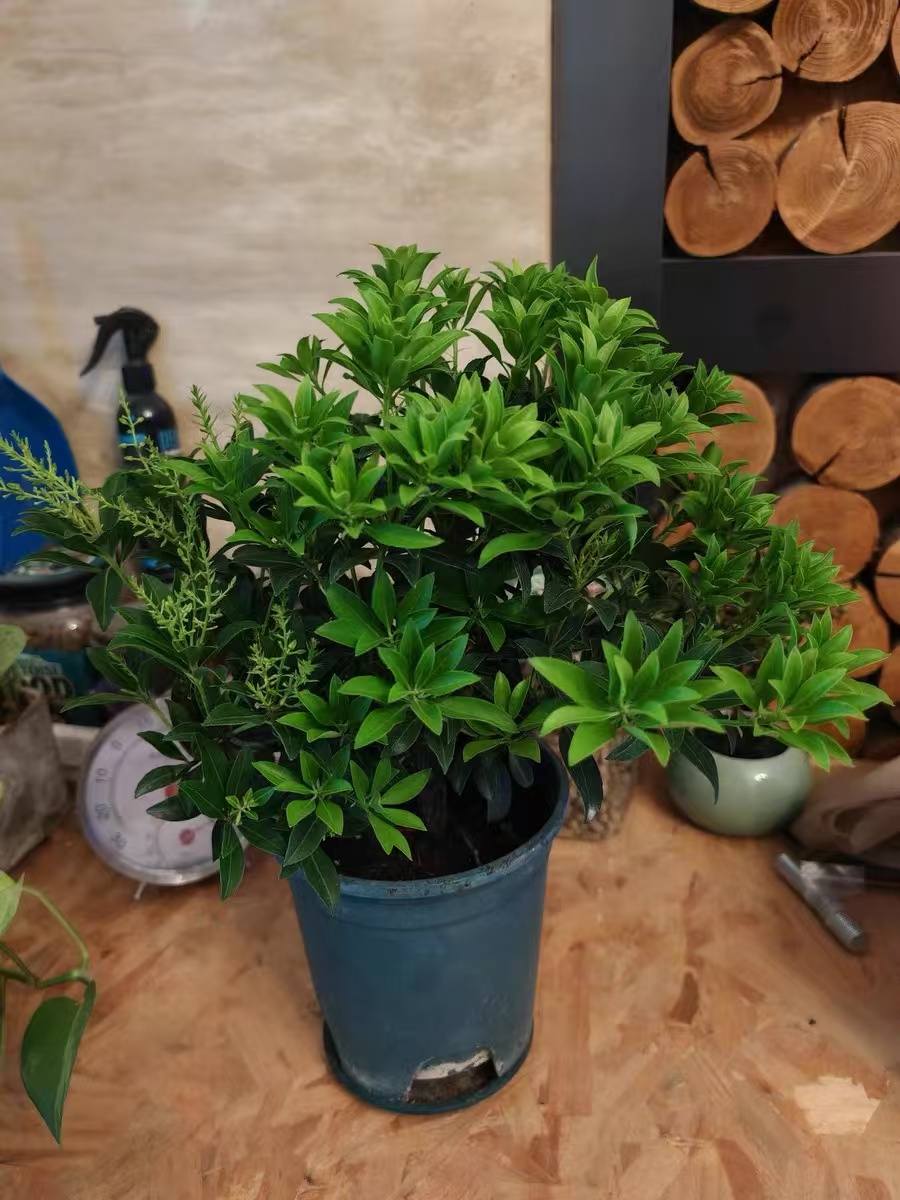
How long can Pieris japonica be cultivated in water?
Pieris japonica is an indoor flower plant that has been especially popular in recent years. It has an excellent maintenance effect and a graceful appearance,
-

Differences Between Sophora japonica and Black Locust and the Medicinal Benefits of Sophora japonica
To create a better urban environment, Sophora japonica (Japanese pagoda tree) has been planted along the roads in many places, and in some places black locust has been planted. Both are tall trees with full crowns once mature, both belong to the large tree family, and their flowers give off a fresh fragrance during the flowering season. However, many friends say they cannot tell Sophora japonica and black locust apart at a glance, so the following text
-
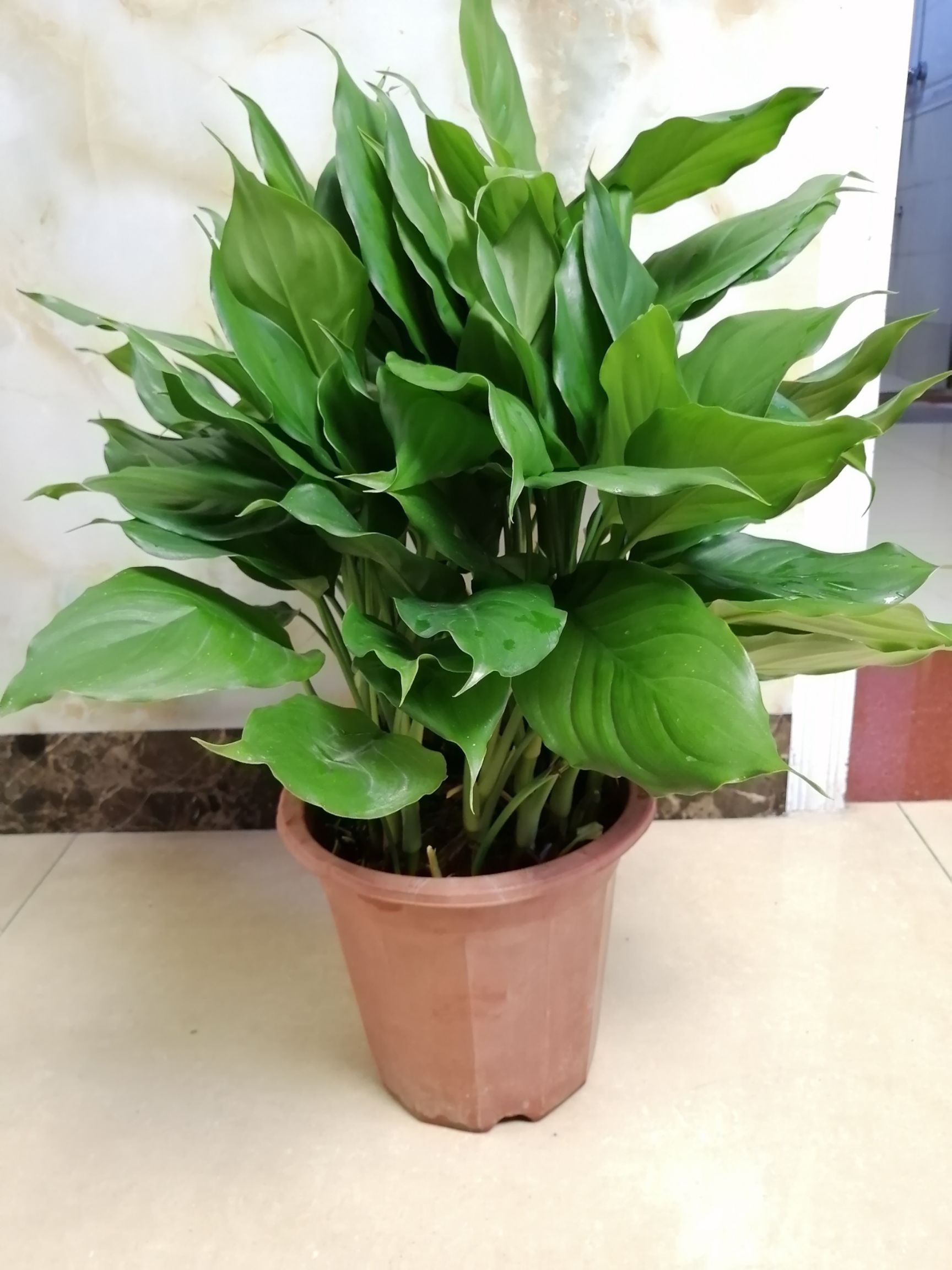
Are Rohdea japonica and Holly the same plant?
In the realm of plant culture, both Rohdea japonica and Holly have certain symbolic meanings, yet the implications they carry are not entirely the same. Rohdea
-
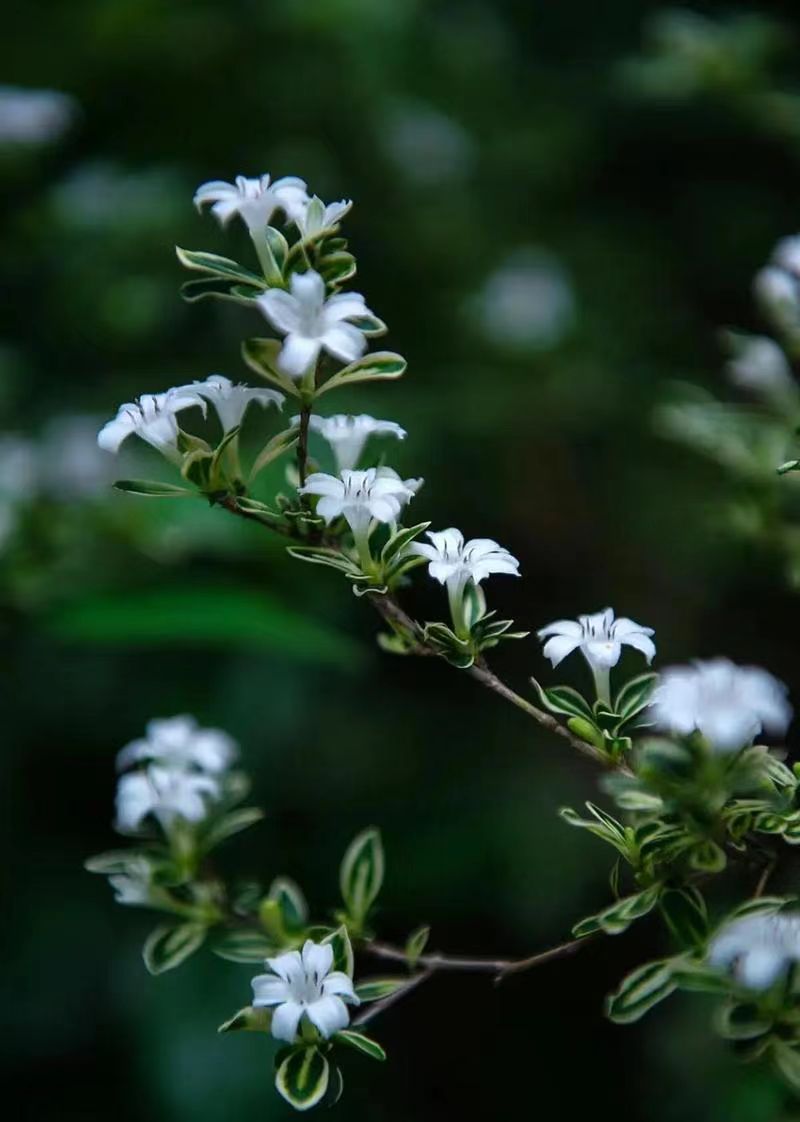
How often should the Serissa japonica 'Variegata' be watered?
Serissa japonica 'Variegata', with its unique variegated leaves with golden edges and elegant posture, has become a favorite among many flower lovers. Do you
-
When Stone Crab (Charybdis japonica) Comes on the Market: The Fattest and Most Delicious Season, How It Differs from Mud Crab, and How to Eat It
The stone crab (Charybdis japonica) is one of the most popular sea crabs in Qingdao. Because of its large size, plump meat and delicious flavor, it is deeply loved by people. It generally comes on the market around the 15th day of the 8th lunar month. So when is the stone crab at its fattest? Which season is it most delicious? How do you eat it? What is the difference between it and the mud crab?
-
How to Propagate Honeysuckle? A Detailed Guide to the Latest Propagation Methods
The scientific name of honeysuckle is Lonicera japonica. Because the flowers of Lonicera japonica first open white and then turn yellow, it is named honeysuckle (gold-silver flower). There are two propagation methods in honeysuckle cultivation: seed propagation and cutting propagation. Seed propagation: collect when the honeysuckle seeds mature in autumn
-
The Latest Cultivation Techniques and Methods Tutorial for Sophora japonica pods
Sophora japonica pods are a commonly used traditional Chinese medicinal herb in China; they are the mature fruit of the pagoda tree (Sophora japonica), a plant in the Fabaceae family. Sophora japonica pods are an excellent hemostatic medicine, commonly used to treat conditions such as hemorrhoid bleeding, bloody diarrhea, bloody dysentery, and uterine bleeding. Sophora japonica pods are cultivated very widely across China, with
条件筛选