-

Can "high-protein" bee pupae be eaten raw? What are their effects and functions? Who should not eat them?
Bee pupae, as a delicious food, have been popular among the people for a long time. They generally refer to the larvae and pupae of wild bees such as hornets, wasps, black bees and ground bees. In many places in the southwestern region, the custom of gathering and eating bee pupae has been preserved to this day. So can bee pupae be eaten raw?
-

What are the functions and benefits of Phalaenopsis leaves? You can also judge its health from the leaves
I believe everyone is happy to see their plants blooming abundantly, and to achieve a full bloom, you must of course learn each plant's preferences, so you can tailor care to the plant and grow it better. In recent years, the popular "Phalaenopsis" has become a hot-selling flower, and when it comes to care, a heart that gets to the bottom of things is essential. Today we will focus on
-

Can Phalaenopsis Roots Photosynthesize? A Detailed Explanation of Their Functions and Roles
Phalaenopsis (moth orchid) is famous for its flowers. People tend to focus their attention on its gorgeous blooms, yet rarely notice its unique root system. So do Phalaenopsis roots photosynthesize? And what functions do they have? Phalaenopsis is an epiphytic plant, and its roots are completely different from the roots of common plants that grow in soil - they are aerial roots.
-
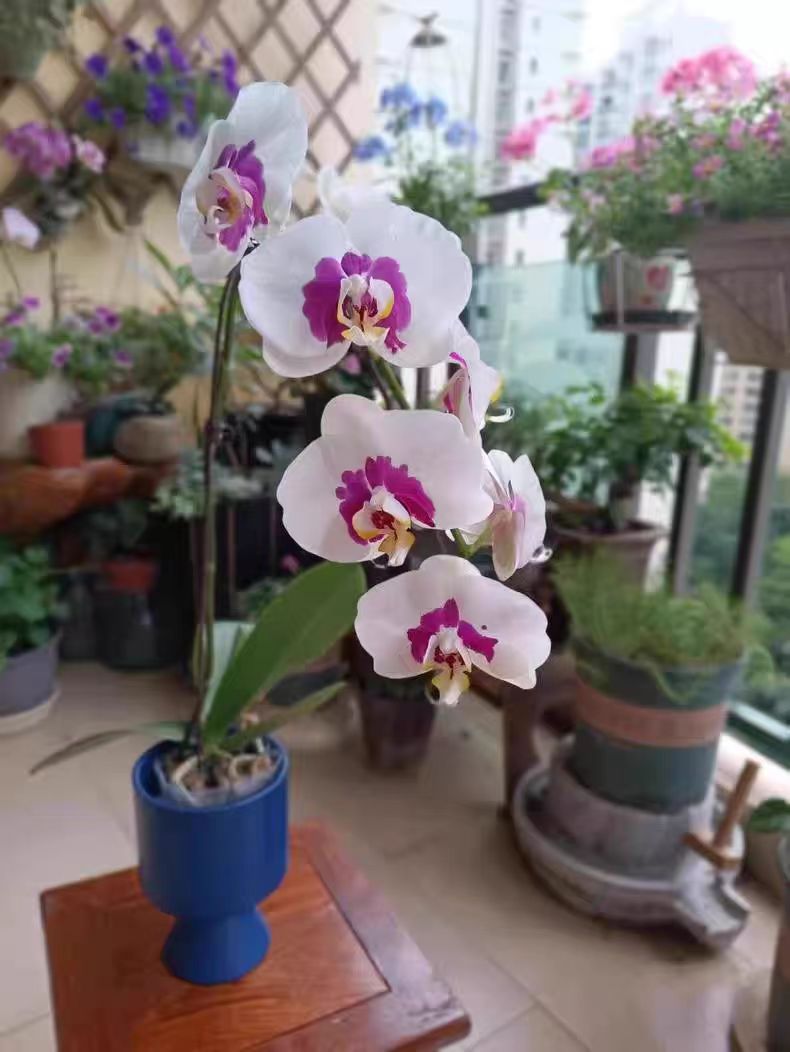
What are the functions of the nutrient cup for moth orchids?
In flower cultivation, choosing the right cultivation container is crucial for the growth of plants. As a popular indoor ornamental plant, moth orchids
-

How many types of roots does a Phalaenopsis orchid have? A detailed explanation of root functions
In the vast and diverse world of flowers, beyond its stunning blooms, the Phalaenopsis orchid's root system is equally full of mystery. These roots of varying forms are not only key to the plant's survival but also carry unique biological functions. From appearance and function, Phalaenopsis roots can mainly be divided into aerial roots and underground roots, but as a typical
-

What kind of soil do Phalaenopsis roots like, and what functions do they have?
More than half of April has passed, and the weather is gradually shifting from cool to hot. At this time, the sky usually gets bright very early in the morning, making people not want to stay in bed, thinking they should not waste the good weather, so they roll up their sleeves and start caring for the flowers and plants on the balcony. Among them, a flower enthusiast said in a private message to the backstage: "I really enjoy observing the roots of Phalaenopsis, especially those slender white root tendrils. Each one feels especially powerful. Sometimes I wonder, how do they supply vitality to the Phalaenopsis?"
-

What are the functions and characteristics of sphagnum moss? Can sphagnum moss used for growing Phalaenopsis orchids still be used?
In the process of caring for Phalaenopsis orchids, sphagnum moss, as a commonly used growing medium, plays a vital role. However, as time passes and the Phalaenopsis grows, whether used sphagnum moss can still be used has become a concern for many flower enthusiasts. Sphagnum moss, whose scientific name is peat moss, is a material with excellent water
-
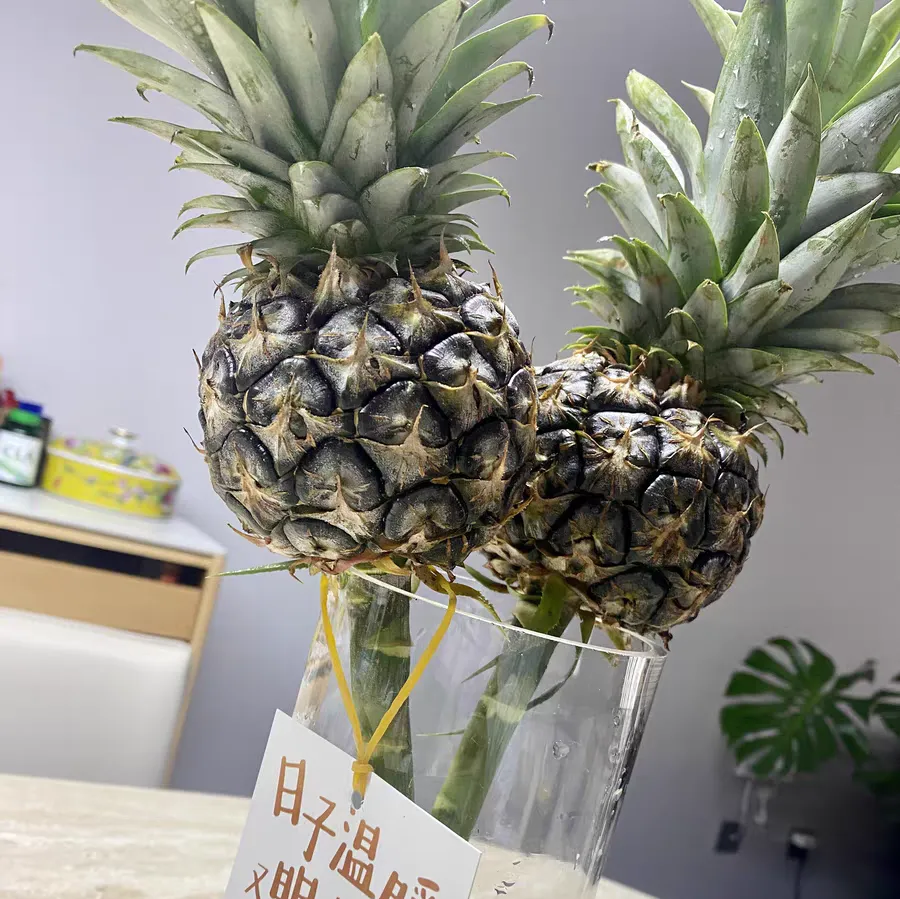
What are the effects and functions of pineapples?
Today, let's talk about the incredibly charming pineapple! It's not just for eating; it can also serve as a stunning indoor green plant. The pineapple is truly
-
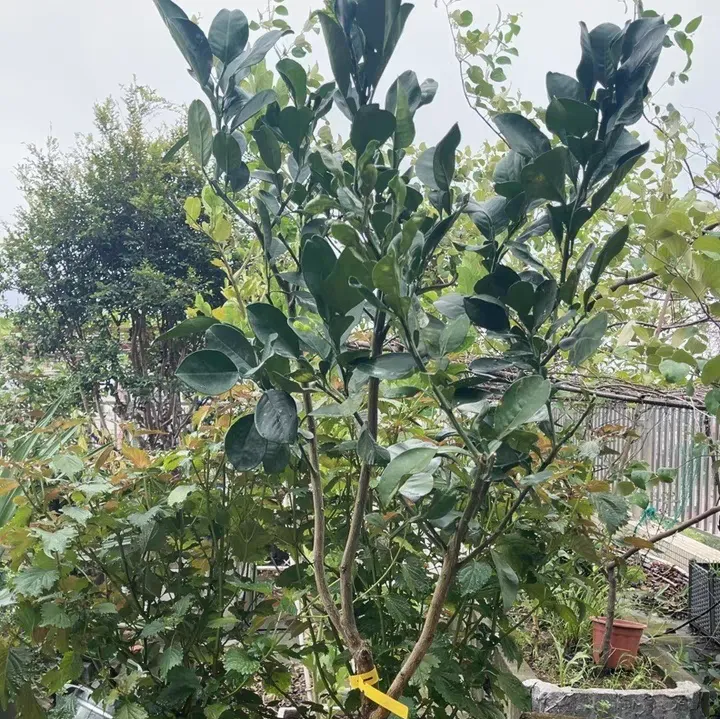
What are the functions and effects of pomelo?
Pomelo, the "giant" among citrus fruits, is deeply loved by people for its unique flavor, rich nutrition, and remarkable health benefits. The pomelo fruit is
-

What are the functions and effects of kumquats?
Kumquats, small and delicate, are treasures among citrus fruits. Not only do they have an attractive appearance, but they are also rich in nutritional value
条件筛选