-

A Complete Analysis of the Key Management Points and Methods for Field-Grown Flowers
How should field-grown flowers be managed?
-
Fertilizing Methods and Key Techniques for Field-Grown Roses
Rose generally refers to the rose flower, also known as Yueyuehong, Yueyuehua, Changchunhua, Sijihua, and Shengchun, and is often grown as a potted plant or as an ornamental garden flower. So how do you fertilize field-grown roses? 1. How to fertilize field-grown roses? Before fertilizing field-grown roses, you can dig a trench
-
How to prevent and control brown spot disease in field-grown lettuce?
Lettuce is the common name for leaf lettuce, belonging to the genus Lactuca in the Asteraceae family. It is an annual or biennial herbaceous crop, and is also a popular vegetable in European and American countries, widely loved by people. Lettuce originated along the Mediterranean coast of Europe, domesticated from wild species. The ancient Greeks and Romans were the first
-
A Complete Guide to the Key Points of Mulch Management for Field-Grown Wood Ear Mushrooms
Wood ear mushroom, also known as wood ear or smooth wood ear. In mycological classification it belongs to the class Basidiomycetes, order Auriculariales, family Auriculariaceae. It is dark brown in color, soft in texture, delicious in taste and rich in nutrients, and can be prepared as either a vegetarian or a meat dish. It not only adds splendor to Chinese cuisine, but can also nourish the blood and preserve youthful looks, giving the skin
-
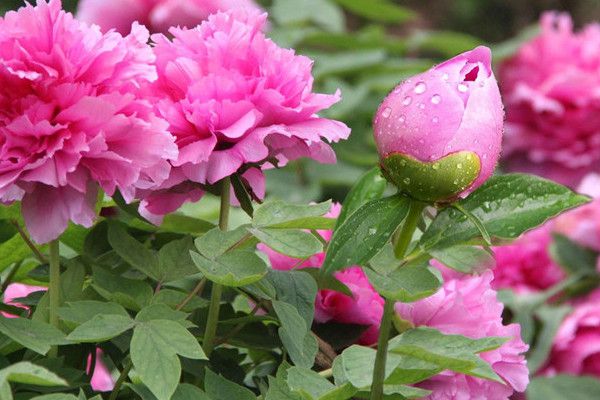
Autumn Care Methods and Precautions for Field-Grown Peonies
How to Care for Field-Grown Peonies in Autumn
-
How to Irrigate Field-Grown Flowers Reasonably? A Detailed Guide to Common Irrigation Methods
Reasonable Irrigation and Irrigation Methods for Field-Grown Flowers
-
Key Technical Points for Mycelium Running Management of Greenhouse Field-Grown Shiitake Mushrooms
After inoculation, stack the spawn bags in the incubation room for mycelium running. When the mycelium has grown to 6 cm wide, turn the stack; at 6-8 cm, turn the stack a second time. Arrange them in a triangular pattern to prevent overheating of the logs. 1. Piercing holes for aeration: If the mycelium around the edges is found to be shrinking, with the color changing from white to pale yellow and the mycelial coat thickening, this indicates that the mushroom logs are short of oxygen, and the first hole-piercing for aeration must be carried out. Make 3-4 holes around the inoculation point, 1.5-2.0 cm deep, to promote normal mycelial germination. After the mycelium has fully covered the entire bag, carry out a second hole-piercing for aeration, on both sides
-
Detailed Explanation of Five Post-Harvest Management Methods for Field-Grown Wood Ear Mushrooms
Remove contamination sources: culture material that is contaminated or severely affected by pests should be promptly disposed of and removed, and the contaminated environment should be cleaned and disinfected at the same time.
-
Key Technical Points for Field Management of Field-Grown Aloe
Field Management Techniques for Field-Grown Aloe
-
Detailed Explanation of Key Management Techniques for Field-Grown Shiitake Mushrooms
Management Techniques for Field-Grown Shiitake Mushrooms
条件筛选