-

How to Grow Zamia furfuracea (Cardboard Cycad)? Planting Methods and Care Guide for Healthy Growth
A detailed introduction to the planting methods and care techniques for Zamia furfuracea, including how to grow Zamia furfuracea, soil mixing, light and watering, propagation methods, fertilizing and pruning, pest and disease control, and other practical content.
-
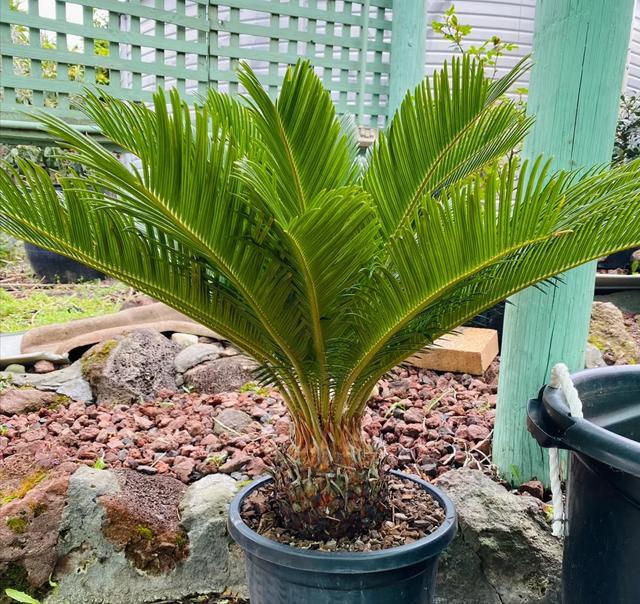
Cycad and Jade Plant: Photo Comparison and Whether the Jade Plant's Shape Is the Same as a Tree
Characteristics and Symbolism of the Cycad. The cycad, also known as the sago palm (Cycas revoluta), is an evergreen tree notable for its distinctive pinnate compound leaves and tough trunk. The cycad's characteristics are mainly reflected in its tenacious vitality, growing stubbornly even in harsh environments. This trait has made the cycad a symbol of resilience and unyielding...
-
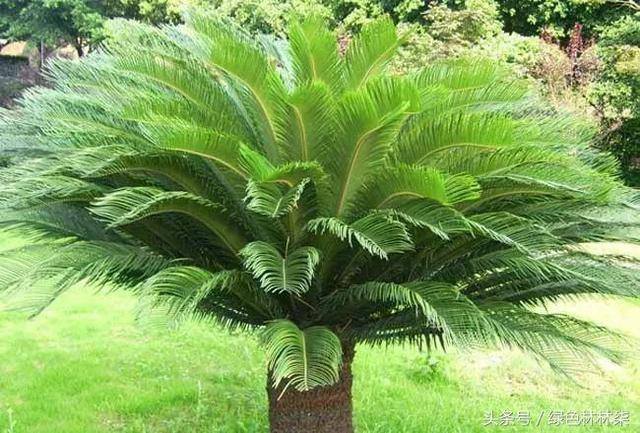
Cycad Blooms and Bears Fruit, Only to Be Picked: Wuhan Hospital Gardener Alarmed
Cycad blooms, what's the next line? A mute speaks. ▽As the saying goes: "Cycad blooms, a mute speaks" - meaning it is truly rare for a cycad to bloom. Cycad blooming often follows no pattern, and the blooms are hard to see, hence there is also the saying...
-
How to prune a sago palm? Master the correct pruning method
The scientific name of the sago palm is Cycas revoluta, and it is a gymnosperm. It is distributed in tropical and subtropical regions such as eastern and southeastern Asia, Oceania, and Madagascar. Today I will introduce the pruning methods for sago palms. 1. Pruning methods for sago palms. Sago palms do not need much
-
Will the sago palm bloom? The latest answer is here
The sago palm, also known as cycad, phoenix-tail banana, fire-avoiding banana, phoenix-tail pine, etc., is an evergreen palm-like woody plant of the genus Cycas in the family Cycadaceae. Because its trunk is as hard as forged iron and it likes iron-containing fertilizer, it is named the sago palm. It has a graceful tree shape, vigorous and plain, and its large and beautiful leaves
-
How to Plant Sago Palm Seeds? A Detailed Guide to the Latest Planting Methods
The sago palm is an evergreen palm-like woody plant of the genus Cycas in the family Cycadaceae. It is an excellent foliage plant for green areas, courtyards and indoors. It generally blooms from late spring to early summer. The seeds mature in autumn and are collected then. Seeds sown in the same year can achieve a germination rate of over 95%, while seeds sown the following year have a germination
-
A Complete Guide to the Latest Sago Palm Cultivation Methods and Care Tips
The scientific name of the sago palm is Cycas revoluta. It is an ornamental plant mainly distributed in tropical regions. In fact, the stem of the sago palm is also rich in starch and is edible. It also has certain medicinal value, with effects such as relieving cough and stopping bleeding. Because people are now paying more and more attention to urban
-
Origin, planting methods of Balansa's cycad and solutions for leaves that do not fork
Cycas balansae is a plant in the genus Cycas, named for its broad leaves, and its Latin scientific name honors its discoverer, the French botanist Benedict Balansa, so its Chinese name is also transliterated as Balansa's cycad. So where is its main origin? How do you grow it? What if the leaves do not fork?
-
Detailed Guide to the Planting Methods and Steps for Cycad Seeds
Cycad seeds can be planted in two ways: freshly harvested and sown immediately, or sown the following year. For freshly harvested and sown immediately, simply soak the newly harvested seeds in warm water for two days, then scoop them out, drain off the water, and sow them individually in pots. They will sprout after two weeks, and after three to four years of cultivation they can be transplanted. For sowing the following year
-
How to Grow a Dragon Tree (Dracaena draco)? Growing Methods and Precautions
For modern indoor decoration, besides placing suitable ornaments, green plants like the dragon tree are also excellent decorations, and they can even purify the air. So do you know how to grow a dragon tree? How to grow a dragon tree? 1. Soil The dragon tree requires loose, fertile, well-draining sandy soil, repot
条件筛选