-
Reasons for Root Rot in Water-Cultured Phalaenopsis and How to Care for It After Washing the Roots
Many gardening enthusiasts want to try growing Phalaenopsis (moth orchid) in water but always fail at the early stage. In fact, the problem often lies in the step of "washing the roots"! The core difference between water culture and soil culture is the change in the root environment. Roots that have not been treated still carry old potting medium and pathogens, and putting them directly into water easily leads to root rot and withering. Today we will share in detail the root washing for water-cultured Phalaenopsis.
-
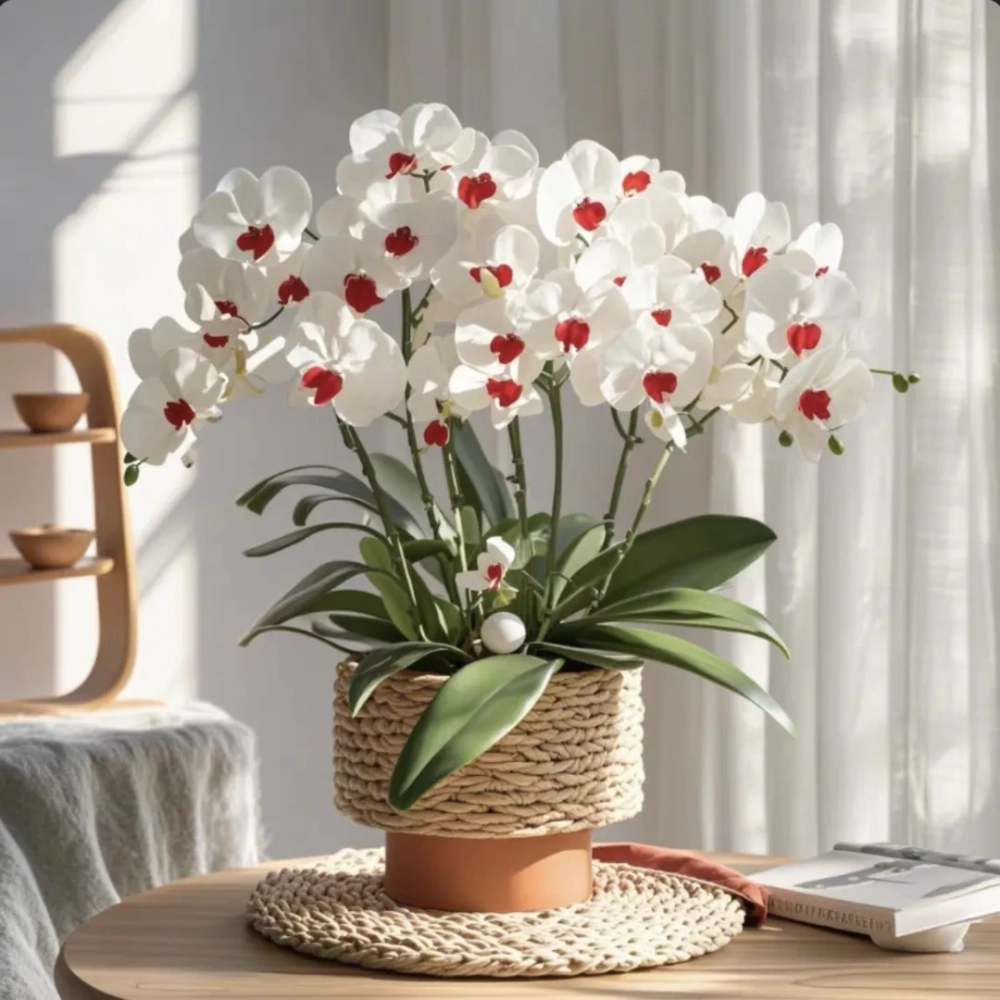
What causes the yellowing of leaves in water-cultured Phalaenopsis?
Today, I'd like to share with you the 4 main causes of yellowing leaves in water-cultured Phalaenopsis and targeted solutions to make your Phalaenopsis green
-
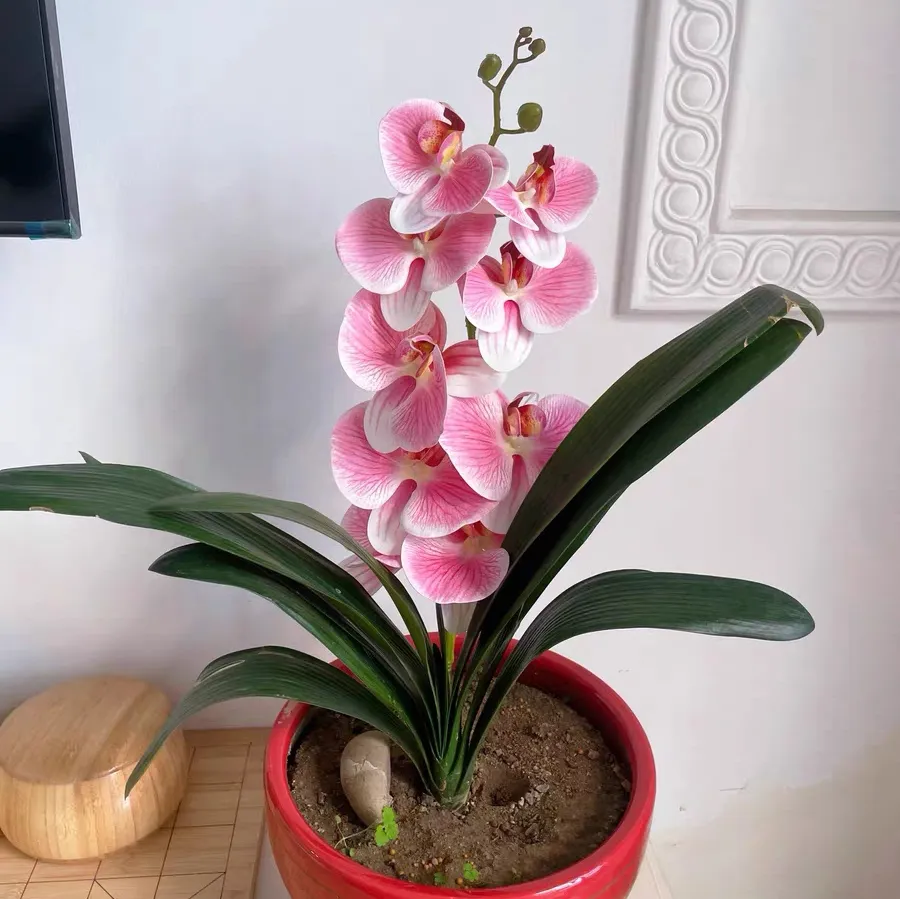
What causes root rot in water-cultured Phalaenopsis?
Root rot in water-cultured Phalaenopsis? Don't panic! Let's talk about how to save the roots. Even plants with rotten roots can be revived and reborn. Newbies,
-

What is the difference between water-cultured flowers and hydroponic flowers?
Are water-cultured flowers the same as hydroponic flowers?
-
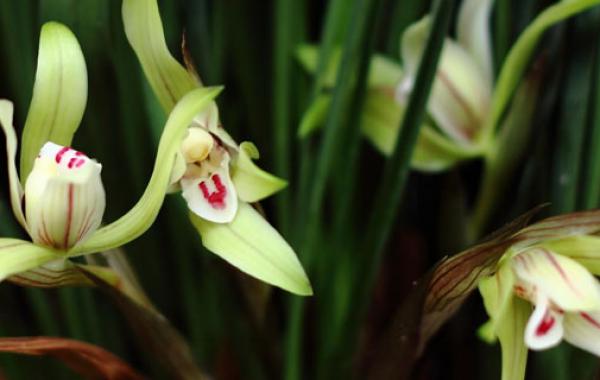
What is the difference between tissue-cultured orchid seedlings and wild seedlings?
The difference between tissue-cultured orchid seedlings and wild seedlings
-
How Are Pearls Cultured? A Detailed Guide to Pearl Cultivation Methods and Techniques
Pearls are a raw material used to make jewelry and can also be used for beauty and skincare, so how are pearls cultured? What varieties of pearls are there? Let's take a look! I. Basic Introduction to Pearls Pearls are an organic gemstone, formed by the endocrine action within the bodies of pearl oysters and mother-of-pearl mollusks, producing mineral beads containing calcium carbonate. China's natural freshwater pearls are mainly produced in the islands of Hainan.
-
How Cultured Pearls Are Formed
Princess Diana once said: If a woman could own only one piece of jewelry, it would have to be pearls. Below, the editor introduces how cultured pearls are formed and how they differ from natural pearls. 1. How cultured pearls are formed Based on natural pearls
-
How to handle soil-cultured hyacinths after they bloom? A detailed guide to care methods
Potted hyacinths are very beautiful, especially when they are in full bloom, they are even more eye-catching. Although hyacinth blooms are very beautiful, after all, their flowering period is relatively short, and perhaps some gardening friends have not yet had enough of looking at them before they begin to fade. And hyacinth is a perennial
-
Prevention and Control Methods and Key Technical Points for Fulminant Disease in Cultured Puffer Fish
[Symptoms of fulminant disease in puffer fish]The main symptoms of diseased puffer fish are congestion at the base of each fin and in the fin rays; in severe cases, the fin rays, upper and lower jaws, eyes, and the area from the base of the dorsal fin to the caudal fin all show severe congestion. Sometimes there is bleeding in the orbital cavity and exophthalmos (bulging eyes). In some cases the gills show varying degrees of decay with abundant mucus.
-
How to polyculture mandarin fish for a high survival rate? Practical methods shared
Mandarin fish is a typical carnivorous fish that only eats live fish and live shrimp. Raising mandarin fish alone requires supporting the culture of forage fish, and the technical requirements are high. If mandarin fish are polycultured in adult fish ponds, the water body can be fully utilized and wild trash fish in the adult fish ponds can be cleared out. In recent years, some farmers have reported
条件筛选