-

A Detailed Tutorial on the Latest Cultivation Techniques for the Color-Changing Gourd
The color-changing gourd, also known as the golden mango gourd, is a herbaceous edible vegetable gourd. The color-changing gourd comes in many different colors and looks like a mouse from a distance, which is why it is also called the mouse gourd. The color-changing gourd has a certain nutritional value and is a rather unusual
-
A Detailed Guide to Management Techniques for Sweet Peppers During the Color-Changing Stage
The sweet pepper is a type of chili pepper, also known as the persimmon pepper, large pepper, or bell pepper. Its fruit is relatively large, with a mild or even nonexistent spicy flavor, so it is generally eaten as a vegetable rather than used as a seasoning. During cultivation, the color change of sweet peppers is very important, and the fruit shape is related to the
-
Planting Time, Planting Methods and Culinary Uses of the Mouse Melon, the Color-Changing Melon
Mouse melon, also known as golden mango melon, colorful melon, mouse melon, and color-changing melon, is a very novel melon vegetable. As it grows, the color of the fruit can change from green to orange, red, and so on. From a distance it resembles a mouse, which is why it is also called the color-changing mouse melon. It can be planted in courtyards
-
How to Grow Color-Changing Jasmine? A Detailed Guide to Growing Methods
Color-changing jasmine is generally suitable for cultivation in East China and North China, and prefers slightly acidic soil with good drainage and aeration. Its most suitable growing temperature is 20 to 30 degrees; if the temperature drops below 12 degrees, it enters dormancy. It likes a sunny, humid environment. In summer it needs shading, and each
-
How do you grow the color-changing gourd? A trellis in the shape of the character "" is often used when planting
For planting the color-changing gourd, sandy soil with good drainage and irrigation is the first choice. First carry out deep plowing to a depth of no less than 20cm, disinfect, then apply sufficient base fertilizer, promptly remove residual chemicals, and it is ready for planting. Before sowing, soak the seeds first to promote germination. After they sprout, arrange the planting density reasonably and dig the holes
-
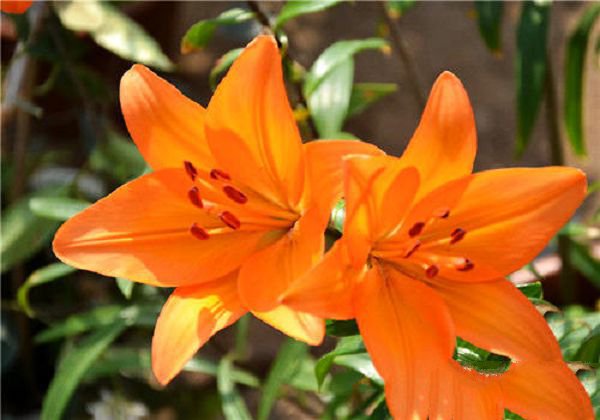
How to change flower colors? A few tricks to teach you color-changing methods
How to change flower colors
-
Hass avocado, a non-color-changing variety, requires careful care to ripen
A non-color-changing avocado that needs careful care during the ripening process: "Hass"
-
-
Management Methods and Technical Key Points for the Color-Changing Stage of Shiitake Mushrooms
When the shiitake mushroom mycelium grows and develops into the physiological maturity stage, the white mycelium on the surface gradually turns into a brown layer of mycelial film under certain conditions, which is called mycelial color change. The depth of the color change and the thickness of the mycelial film directly affect the occurrence and development of shiitake mushroom primordia, and have a great relationship with the yield and quality of shiitake mushrooms. It is the most important link in the management of shiitake mushroom fruiting. There are many methods for color change, and the commonly used one is the bag-removal color-change method. It is necessary to accurately grasp the timing of bag removal, that is, remove the bag when the mycelium reaches physiological maturity. If the bag is removed too early, it is not easy to change color; if too late, the mycelium ages, often produces yellow water, and is prone to
-

Detailed Explanation of Key Management Techniques for Sweet Peppers During the Color-Changing Stage
Management Techniques for Sweet Peppers During the Color-Changing Stage
条件筛选