-

What Are Bloodworms? A Detailed Guide to Farming This Natural Fish Bait
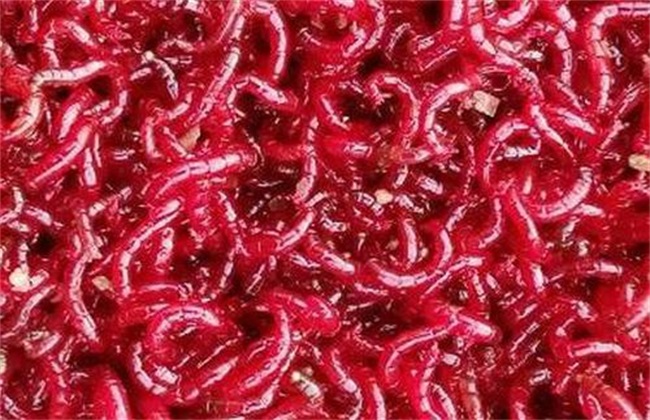
Bloodworms, also known as chironomid larvae, are a common red worm found in water. Because they are rich in nutrients and can promote fish growth, they are deeply loved by anglers. Fish farmers in particular will even buy bloodworms specifically to feed their fish. So what are bloodworms? What are the farming methods?
-
How much does bloodworm cost per jin these days? A detailed look at its four major differences from earthworms
Bloodworm, also called chironomid larva, is widely farmed because it is easy to preserve, has high nutritional value, and is the best natural bait for fish, crabs, and shrimp. However, because it looks like an earthworm, many people think they are the same thing, but they are not. So how much does bloodworm cost per jin these days
-
How to raise bloodworms? Introduction to a simple breeding method for high-protein bait
Bloodworms, also known as chironomid larvae, are worm-shaped with a deep red body color. Bloodworms are widely distributed and are one of the main groups of benthic animals in freshwater waters. They are an excellent natural bait for fish and have very high nutritional value. They are also recognized worldwide as the best live food for tropical fish.
-
What food do bloodworms eat, and how are they generally bred?
Anglers all know that bloodworms are excellent fishing bait, because bloodworms have many innate advantages, such as a body that is a striking red color and a content that is very rich in protein, so they are a rare high-quality food for fish in winter. So naturally, for fish
-
How to Raise Bloodworms? Breeding Methods and Key Technical Points
Bloodworms breed quickly and have high nutritional value, so they can serve as bait and food for fish, and market demand is decent, so many people now raise them. How are bloodworms raised? How to raise bloodworms 1. The raw materials for the culture medium can be chosen from three types of substances: sludge rich in organic matter, loosening agents, and organic manure. For the sludge, you can choose fish pond silt, fertile paddy field mud, black mud along sewage ditches, etc.; for the loosening agent, bagasse can be used; for the organic manure, chicken manure, cow manure, etc. can be used. First spread a layer of loosening agent on the bottom of the pond, using 2-3 kg per square meter. Then spread a layer of sludge so that the total thickness reaches 10-12 cm per square meter, add water to submerge the base surface, soak for 2-3 days, and then apply cow, chicken, and pig manure, about 10 kg per square meter; before inoculation, spread another layer of sludge 3-5 cm thick on the surface, and at the same time thinly spread a mixed feed of fermented bran, rice bran, cornmeal, etc. on the mud surface, scattering 150-250 g per square meter; finally add water so that there is a 3-5 cm deep water layer above the culture medium surface. The culture medium of a newly built pond can generally be used continuously for 2-3 years, after which it should be renewed.
-
How to Raise Bloodworms? Key Points of Bloodworm Breeding Techniques for Fishing
Summary Container: Use a container with a large air-contact surface area to raise them, because bloodworms float up to the water surface and make movements similar to breathing. Density: The breeding density of bloodworms must not be too high, otherwise it easily causes bloodworm death. Water changes: Change the water once a day, and the bloodworms need to be placed in a cool place; bloodworms like to live in slow-flowing, nutrient-rich water. Light source: The light source cannot be turned off at night; if there is no light source, the bloodworms will easily die the next day. Feed: Fermented rice bran, banana peels, bagasse, etc.
-
How to breed bloodworms? A detailed explanation of methods and techniques
Summary Breeding conditions: It is suitable to raise them in natural water. If tap water is used, the tap water must be placed under the sun to be exposed for 2-3 days. Light source control: At night, a 5-watt small light bulb can be used to provide a light source. Water quality regulation: Keep the water depth at 3-5cm, with a water flow rate of 5-
-
What are the breeding methods and required conditions for bloodworms?
Summary Breeding conditions: Use natural water for rearing, change the water once a day, and choose a large-mouth container. Light source control: At night, a 5-watt small light bulb can be used as a light source. Water quality regulation: The water depth is 3-5cm, and the water flow rate needs to be 5-10 liters per second. Bait feeding: Generally feed once every 3-4 days, each time 50-100kg of manure per mu, mix it with water and sprinkle it over the whole pond.
-
Detailed Key Points for Bloodworm Culture, Master All Methods and Techniques
Key Points for Bloodworm Culture
-
条件筛选