-

Is blackening of Phalaenopsis roots stem rot or something else?
The Phalaenopsis you've been growing had roots that were originally white and tender, and suddenly they turned black. At the first sign of this, many people's first reaction is "It's over, stem rot!", and they hurriedly dig out all kinds of medicine and spray it heavily, only to end up making the flower even more wilted. In fact, blackening of Phalaenopsis roots is not necessarily stem rot, so don't jump to conclusions yet; it's more reliable to track down the real
-
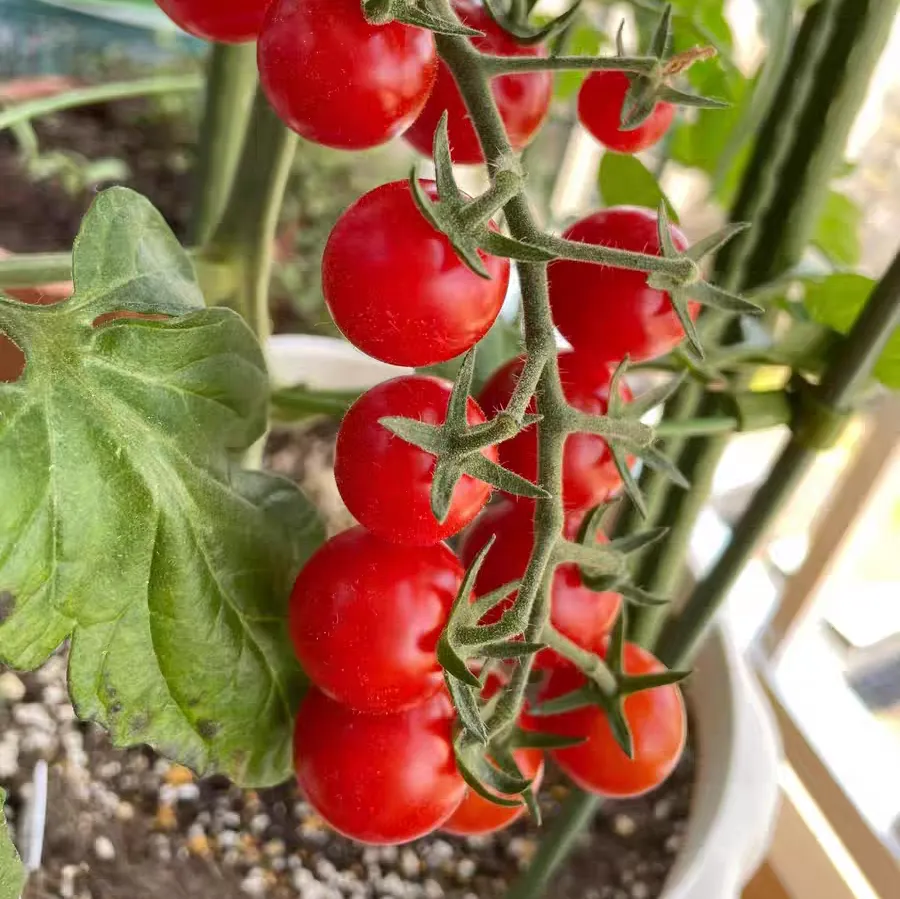
What causes the blackening of tomato stems?
Suddenly found the stem of your tomato plant turning black? Don't panic! This could be caused by diseases. Today, we'll guide you step-by-step on how to
-

Reasons for Blackening Leaves on the Dolphin Flower and How to Care for It in Summer
The dolphin flower gets its name from its unique flower shape, which closely resembles a leaping dolphin. Its blooms are light and graceful, with fresh and elegant colors. During care, especially in summer, a season of high temperature and high humidity, the dolphin flower sometimes develops blackened leaves, which not only affects the plant's appearance but may also signal that something is wrong with the plant
-
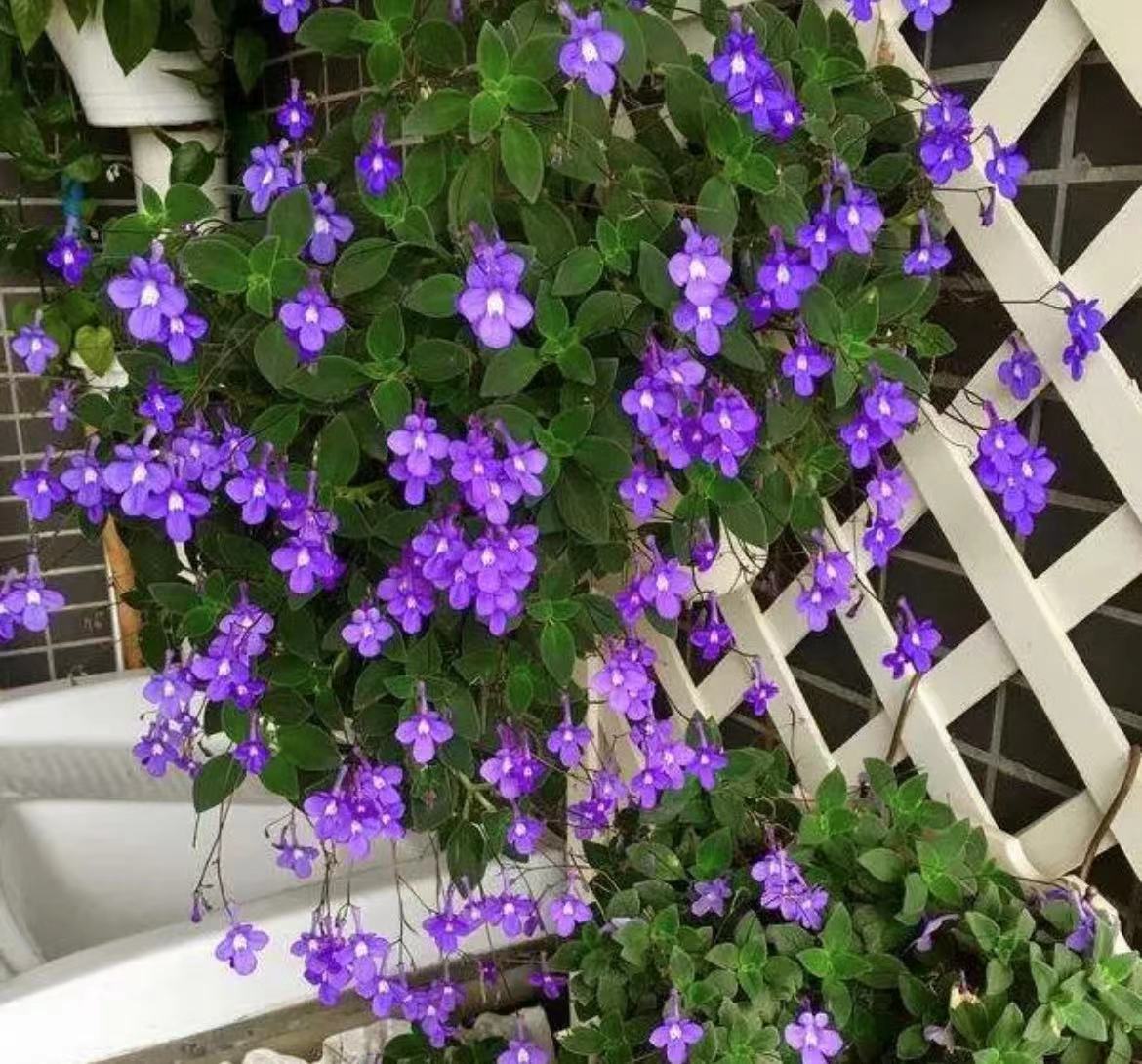
What's the matter with the blackening leaves of the Hypoestes phyllostachya?
Hypoestes phyllostachya is named for its unique flower shape, which resembles jumping dolphins. Its flowers are light and elegant, and the colors are fresh and
-

Latest Solutions for Yellowing and Blackening Leaves of Gloxinia
Gloxinia is a potted plant, and because its flowers are relatively large and pink in color, many flower lovers have started growing gloxinia at home, placing it in places like the living room or balcony. During the growing process, everyone may encounter some problems, such as
-
Causes and Treatments for Blackened Leaf Centers in Clivia
To treat a Clivia with a blackened leaf center, you first need to cut away all the blackened parts, then disinfect them. Its blackened leaf center may be caused by overwatering, so watering should be reduced afterward. It also needs to be kept in a semi-shady, well-ventilated environment, and during this period
-
How to Grow Cissus sicyoides in Pots and Three Solutions for Blackening Leaves
Cissus sicyoides, also known as princess vine and ivy vine, is a perennial evergreen herbaceous climbing plant with extremely strong vitality. Because its vines grow like a green waterfall, it is deeply loved by flower enthusiasts. At present, many people like to keep a pot of it in their own corridors, so what are the potted planting methods for
-
Can Freesia be grown indoors? Four methods to solve the problem of yellowing and blackening leaves
Freesia, also known as scissors orchid and plain fragrant orchid, is a common flower during the Spring Festival. Because of its diverse varieties, rich colors and fragrance, it is deeply loved by flower enthusiasts. It is currently sold on the market and the price is not expensive, so can Freesia be grown indoors? What to do if the leaves turn yellow and black
-
Blackening Leaves on Orange Jasmine (Aglaia odorata): Causes and Solutions
Orange jasmine, also known as four-season orange jasmine or broken orange jasmine, is an evergreen shrub or small tree that is deeply loved for its rich fragrance when in bloom. Some orange jasmine plants bought from the market and grown at home for a period of time will develop blackening leaves, so orange jasmine
-
Reasons for Yellowing, Blackening, and Drooping Peace Lily Leaves and How to Fix Them
Yellowing and blackening leaves are signals plants send when their life is in crisis. Usually, blackened leaves indicate the plant is on the verge of death, while yellowing leaves have a relatively greater chance of recovery than blackened ones. In response to this situation, we need to
条件筛选