-

Can a Gloxinia still grow leaves with only one tuber left? Detailed guide to the sprouting method
Gloxinia (Sinningia speciosa), as a beautiful indoor flowering plant, has quite tenacious vitality. Even if only the tuber remains, as long as it is cared for properly, it can still grow new leaves again and bloom. The key lies in providing a good growing environment and the correct care methods. Care points: Temperature control: keep the indoor temperature above 15°C
-
How long is the flowering period of gloxinia, and can seeds planted that same year bloom?
Gloxinia is a highly attractive flowering plant that holds an important place in the world of ornamental flowers. Its blooms are large and richly colored, coming in many shades such as red, pink, white and blue, and they also give off a faint fragrance that feels fresh and clean. The inflorescence is a panicle, with small, densely packed flowers that have high ornamental value. Large
-
How to choose the best Gloxinia?
When people see a plant named Gloxinia in the flower market, their first impression is that it is very unfamiliar because it may be a rare flower in their
-

How to choose the best Gloxinia? A detailed guide to growing and propagation methods
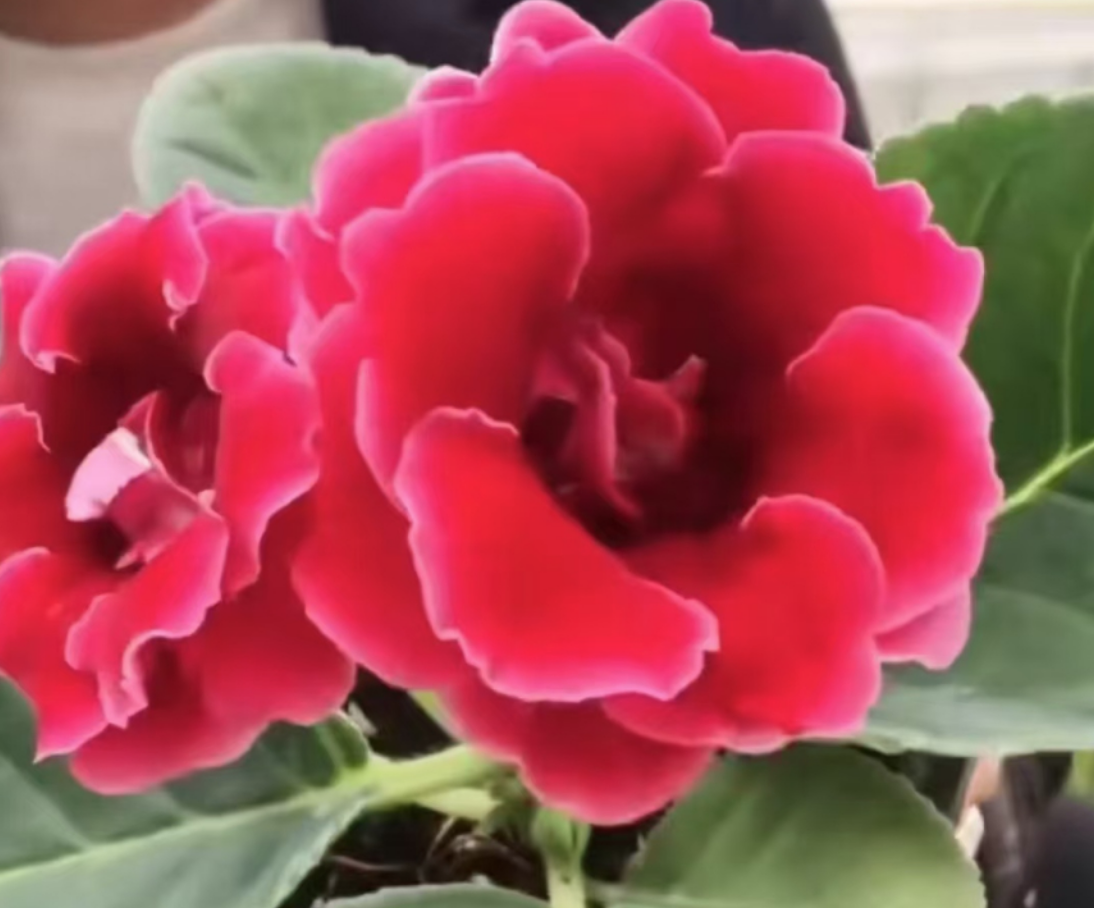
When people see a plant called Gloxinia (Sinningia speciosa) at the flower market, their first impression is that it is very unfamiliar, because in their memory this may be a rare flower. But if you mention "Liuxueni", then many flower lovers will start to recognize it. This flowering plant is native to Brazil and is a tropical plant. Once its flowers fully bloom, they are unforgettable, and its flowers look somewhat as elegant as peonies, while also coming in many colors, with very good ornamental value.
-

How Many Times a Year Does Gloxinia Bloom? Master the Growing Methods and Points to Note
Gloxinia (Sinningia speciosa), as a flower with extremely high ornamental value, is deeply loved by flower enthusiasts. However, regarding the flowering frequency of gloxinia, it may not be as frequent as some plants that bloom in multiple seasons. Gloxinia blooms only once a year, and its flowering period is mainly concentrated in spring, especially around April when it first blooms, then entering
-

Is Gloxinia Toxic? A Detailed Guide to Its Minimum Cold Tolerance Temperature
Gloxinia, as a widely popular indoor ornamental plant, is often a highlight of home decor thanks to its beautiful flowers and lush leaves. When choosing indoor plants, many people worry about whether they contain toxins, especially for households with small children or pets, where this point is particularly important. Gloxinia does not contain
-

How to Grow Gloxinia? Detailed Guide to Cultivation Methods and Precautions
Gloxinia, also known as Six Snowy, Falling Snow Mud, etc., is a perennial herbaceous plant of the Gesneriaceae family, genus Gloxinia. The plant is small and delicate, with lush green leaves and brilliantly colorful flowers, possessing extremely high ornamental cultivation value. There are also many horticultural varieties, commonly including blue, white, red, purple
-
How to Grow Gloxinia So It Blooms in a Cascade of Flowers
Gloxinia (Sinningia speciosa) is a flower with very large buds and very large petals, generally divided into single-flowered and double-flowered types. Its flowering period is long, its colors are vivid, yet it is not expensive, is very common, and is easy to grow, so it is deeply loved by people. You can imagine how beautiful this flower looks when it blooms in a cascade. So next, Shuaishuai will tell everyone how to grow it into a cascading bloom!
-
Latest Solutions for Yellowing and Blackening Leaves of Gloxinia
Gloxinia is a potted plant, and because its flowers are relatively large and pink in color, many flower lovers have started growing gloxinia at home, placing it in places like the living room or balcony. During the growing process, everyone may encounter some problems, such as
-
Can Gloxinia tubers be cut and propagated in winter?
Gloxinia is one of my favorite potted flowers. The blooms are truly vivid, with rich colors, and it can bloom twice a year. As for gloxinia propagation, the common methods are seed propagation, cutting propagation and tuber propagation. Gloxinia's peak growing season is in
条件筛选