-

How to Grow Brazilian Iris? Planting Methods and Care Tips
Detailed introduction to Brazilian iris planting methods and care techniques, including how to grow Brazilian iris, soil mix, light and watering, propagation methods, fertilizing and pruning, pest and disease control, and other practical content.
-
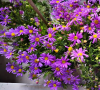
The flower language and symbolism of the Brazilian verbena (Glandularia), and does it bloom in autumn?
The Brazilian verbena (Glandularia) is a much-loved flower. Its plants are relatively low and compact, and its blossoms are small and delicate yet very abundant, looking like a sprinkling of stars from a distance. The flower language of the Brazilian verbena is "mystery, elegance, happiness and everlasting joy". Its soft, elegant colors and exquisite flowers symbolize mystery and elegance, while its
-

The production of new-season Brazilian coffee beans is affected
In many parts of Brazil, there are bad weather conditions,the production of new-season Brazilian coffee beans is affected. Last Friday, according to a report
-
How to Grow a Dracaena fragrans? Detailed Guide to Cultivation Methods and Precautions
For Dracaena fragrans, choose sandy loam soil and ensure good drainage. It can be placed on a balcony with sunlight, but it must not be exposed to harsh sun for long periods. The suitable growing temperature is between 20-30°C, and the overwintering temperature must not drop below 5°C. Keep the potting soil moist,
-
How to Care for a Small Painted Turtle: Care Methods and Precautions
The small painted turtle, also known as the Brazilian red-eared turtle, is a small turtle with excellent ornamental value. Because of its small size and strong vitality, it is very popular in the pet market and is the most widely kept reptile in the world. So, how do you care for this small painted turtle? 1. Small painted turtle
-
What are the natural predators of the pleco in Brazil?
The pleco is a fish native to the rivers of South America, and because it is highly adaptable and easy to keep, it is very popular with fishkeeping enthusiasts. So do you know what the natural predator of the pleco in Brazil is? What is the natural predator of the pleco in Brazil? The natural predator of the pleco in Brazil is the fierce
-
What is the difference between a red-eared slider and a Chinese pond turtle? Here's how to tell them apart quickly
The red-eared slider is also called the red-eared turtle or little painted turtle; it belongs to the family Emydidae and the genus Trachemys, and is an aquatic turtle species. Below, we introduce the differences between the red-eared slider and the Chinese pond turtle. 1. Differences between the red-eared slider and the Chinese pond turtle 1. Shape of the carapace The Chinese pond turtle has an elongated oval body, with a slightly raised carapace,
-
Does the rubber plant bloom? The latest answer is here
The rubber plant (Ficus elastica) is native to Brazil and is now widely cultivated in the tropical regions of Asia. It prefers a hot, humid environment with plenty of sunlight. Its suitable growing temperature is 20-25°C, and it dislikes direct sunlight. It tolerates shade but not cold, with a safe wintering temperature of 5°C. It tolerates dry air and dislikes clayey soil.
-
How to grow Justicia carnea? A detailed guide to the latest cultivation methods
Justicia carnea, also known as Brazilian plume flower, is a perennial evergreen subshrub of the genus Justicia in the family Acanthaceae. Its flowers are densely arranged in short panicles, rose-purple or pink, resembling coral in both shape and color, bright and elegant, and suitable for decorating rooms. It is native to the tropical and subtropical regions of the Americas, and is now
-
A Detailed Guide to the Latest Cultivation Methods for Brazilian Euphorbia
Brazilian Euphorbia is a succulent plant of the genus Euphorbia in the family Euphorbiaceae, native to Brazil, and belongs to a type of dragon bone euphorbia. From an ornamental perspective it is one of the more unconventional kinds, because its leaves are very small and it does not bloom often, so strictly speaking it is actually a plant grown mainly for its "stems", with ornamental value similar to that of the pencil cactus (Euphorbia tirucalli). Below, let us take a look together at the cultivation methods for Brazilian Euphorbia!
条件筛选