Characteristics of Wild-Collected Orchids and How to Acclimate and Care for Them
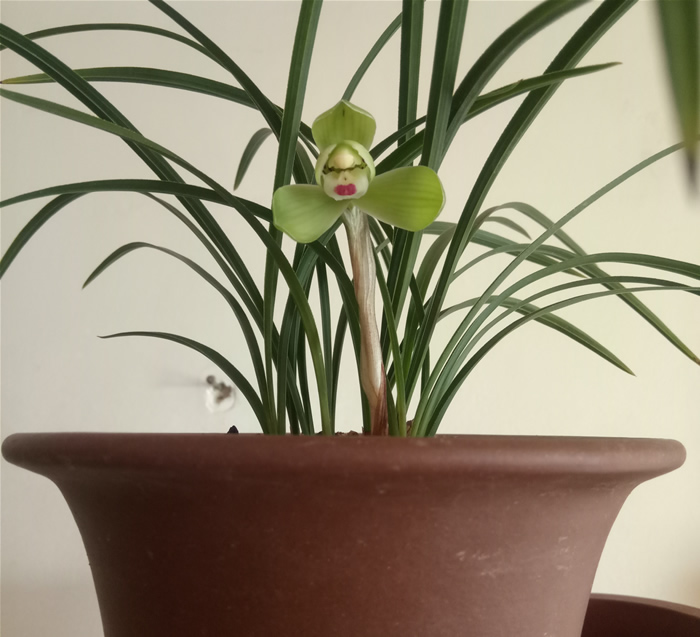
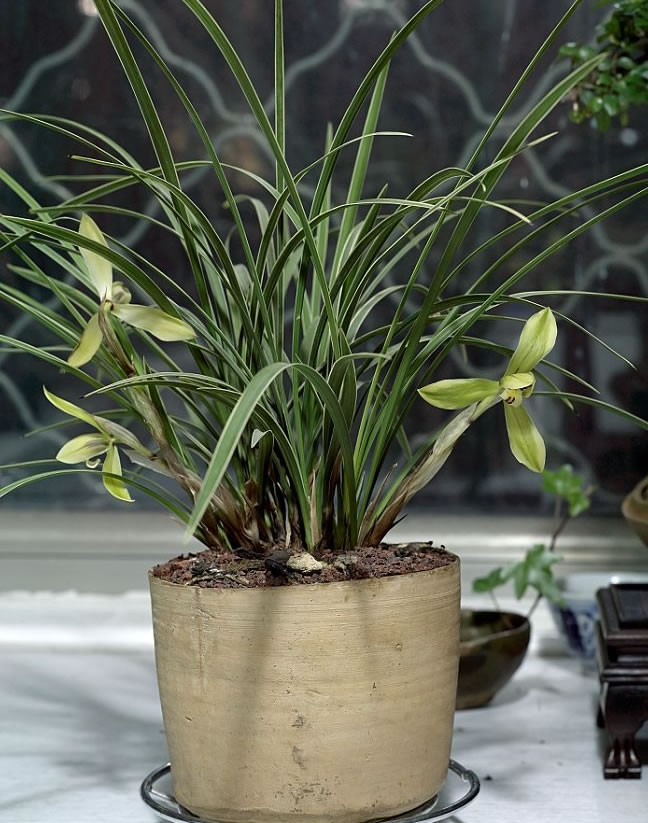
In the cultivation of Chinese orchids (Cymbidium), "wild-collected" usually refers to orchid plants dug from their natural mountain habitat that have not yet undergone long-term artificial acclimation; orchid enthusiasts often call them wild-collected grass or raw grass. Compared with mature grass propagated over many generations in greenhouses, wild-collected orchids retain strong wild habits and are an important way for people to understand orchids in their native state.
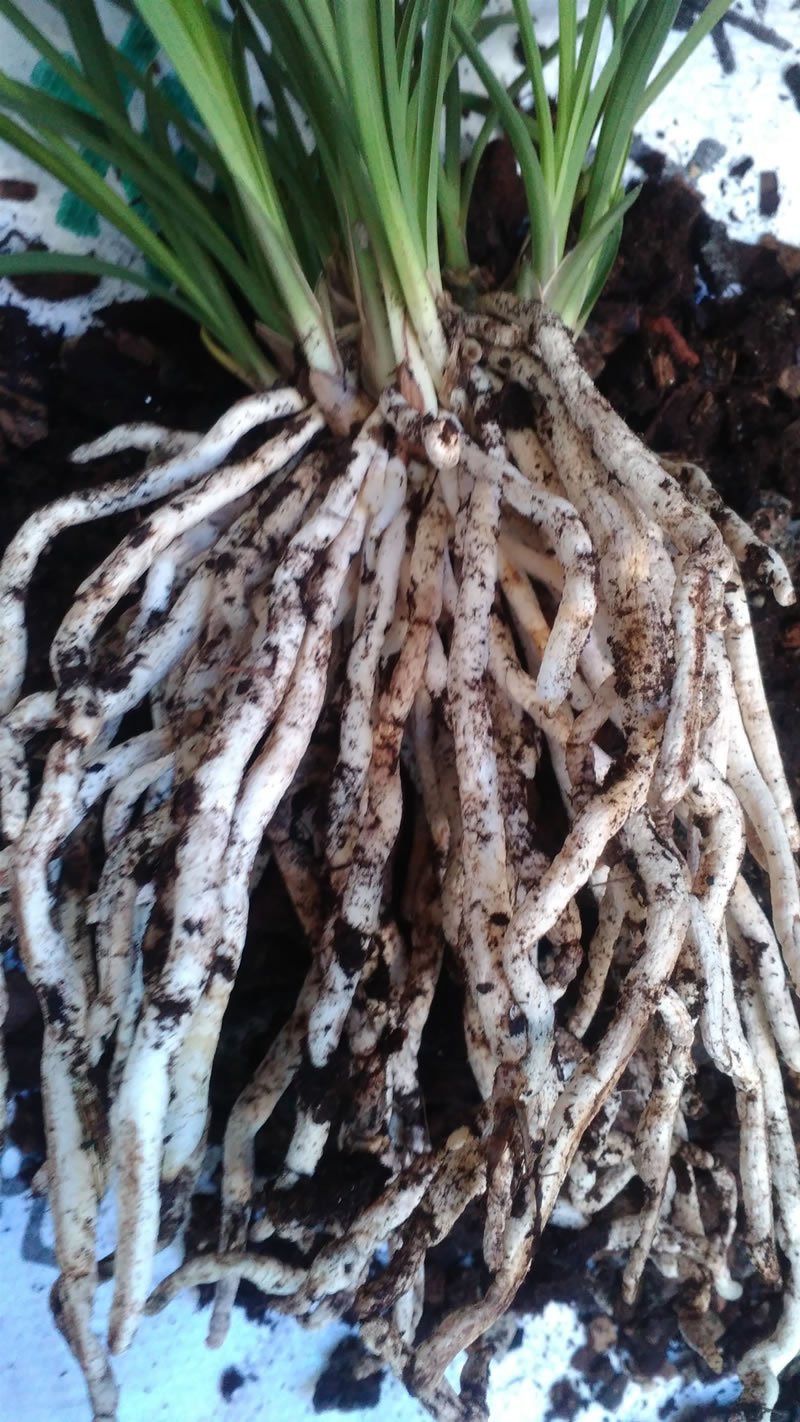
The characteristics of wild-collected orchids are quite distinct. Their root systems are thick and well developed, their leaves often look slightly rough, and the leaf margins frequently bear fine teeth, giving the whole plant a natural, wild charm. Because the wild environment is highly variable, such plants have relatively strong stress resistance, but they are also prone to carrying pests and diseases; combined with the disturbance of digging and transport, damaged and dehydrated orchid roots are fairly common.
Acclimation and care are the key to growing wild-collected orchids well. Before potting, it is best to disinfect the growing medium, cut off rotten roots and dead leaves, and wait for the wounds to dry before planting. During the seedling-recovery stage, they should be placed in a ventilated, shady spot and kept out of direct sun; watering should lean toward dry, and only after new roots sprout should they gradually shift to normal management. Heavy watering and heavy fertilizing must be avoided.
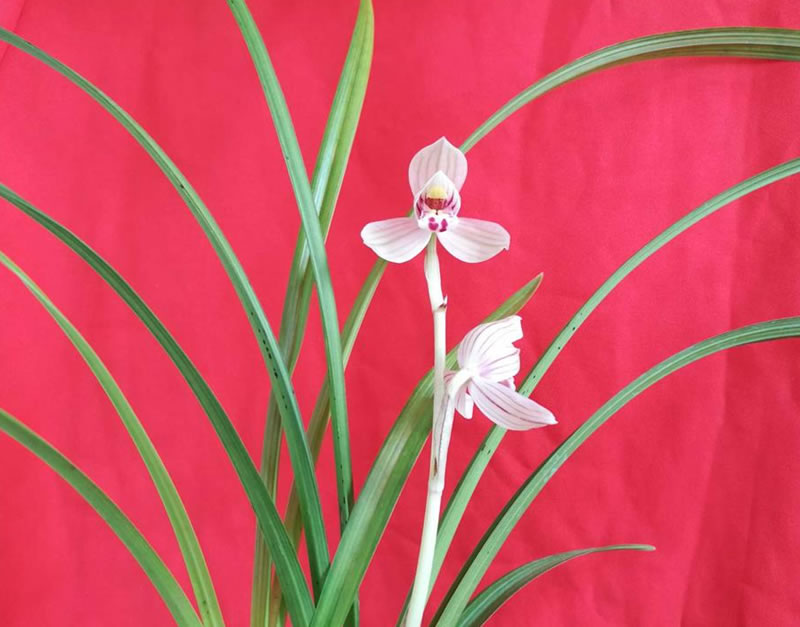
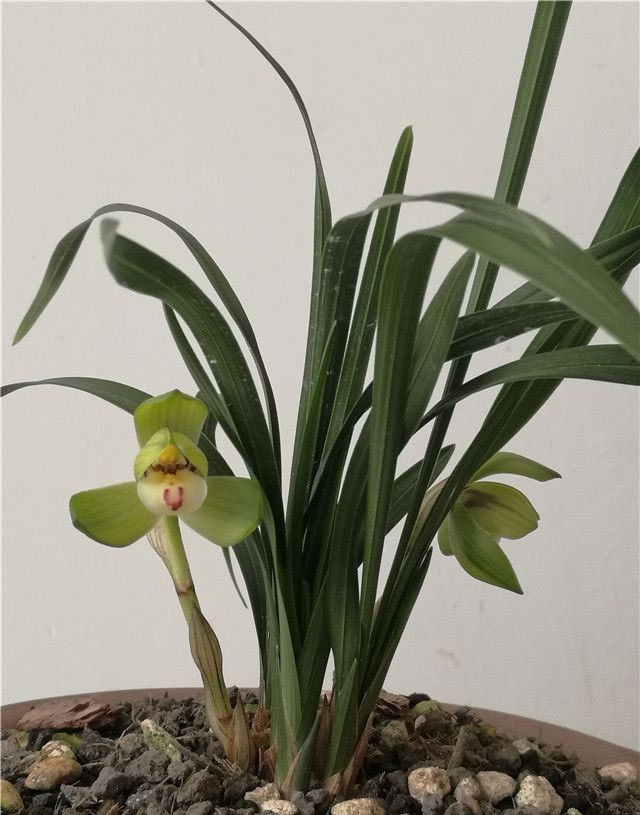
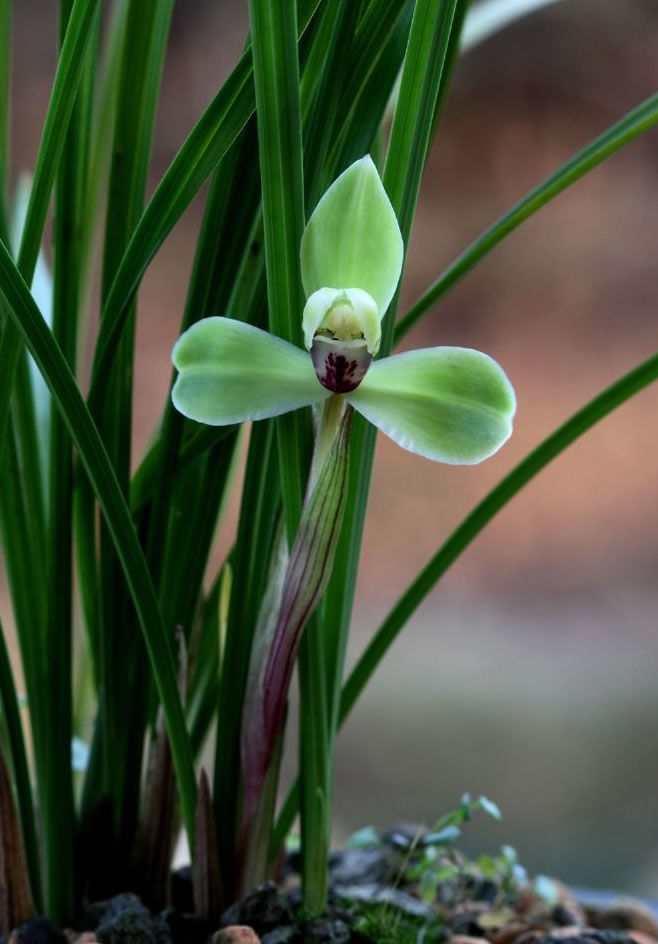
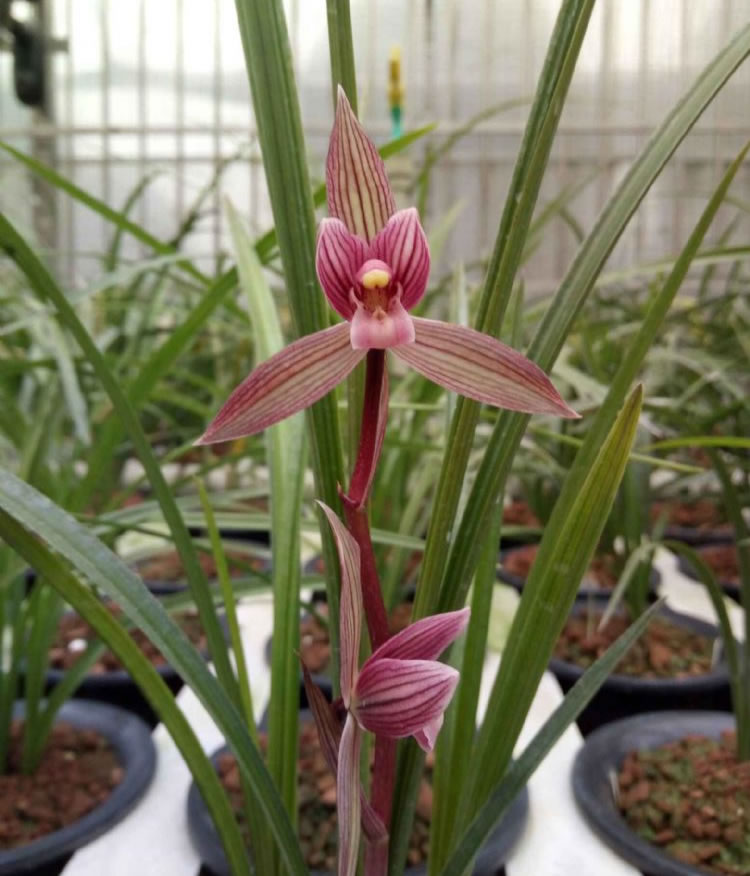
Wild-collected orchids are highly valuable in cultivar breeding; many traditional famous varieties originate from discoveries in wild mountain resources, and their variations in petal form, flower color and leaf variegation often surprise people. When selecting them, pay attention to whether the roots are fresh and intact and whether the leaves have disease spots; only with patient acclimation can you gradually appreciate the pleasure of growing orchids.