Understanding the Characteristics of the Four Seasons and Key Points of Seasonal Farming and Care Management
The four seasons refer to spring, summer, autumn and winter, and are the expression of the cyclical climate changes on Earth within a year. Because of the movement of the point where the sun shines directly overhead, the length of sunlight and the temperature that each place receives change accordingly, thus forming the alternation of cold and heat. Temperate regions have four distinct seasons, while tropical and polar regions show relatively little seasonal change.
From the perspective of climatic characteristics, in spring the temperature gradually rises, the soil thaws, and all things begin to sprout, making it an important season for sowing and raising seedlings; in summer, with ample sunlight and more rain, most crops and flowers enter a period of vigorous growth; in autumn the weather turns cooler and the seeds mature, making it the harvest season; in winter the temperature drops, and many plants slow their growth or enter a dormant state, requiring protection against the cold to survive the winter.
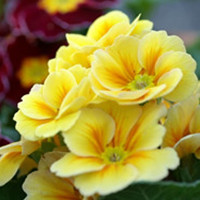
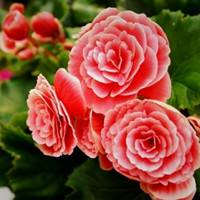
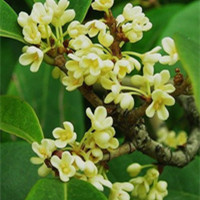
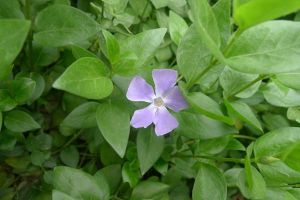
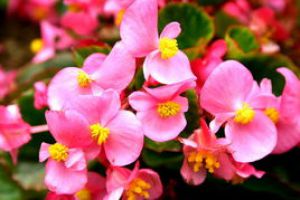
In production practice, the changes of the four seasons guide the arrangement of farming activities, often summarised as spring sowing, summer management, autumn harvest and winter storage. Home growing and care must likewise be adjusted in accordance with the seasons; for example, in summer pay attention to shading and ventilation, in winter control watering and provide good insulation, while spring and autumn are suitable for repotting, pruning and fertilising. Plants whose names contain the word "four seasons", such as wax begonia (Begonia semperflorens), four-season osmanthus (Osmanthus fragrans) and four-season primrose (Primula obconica), although they have a long flowering or foliage period, still need light, water and temperature adjusted according to seasonal changes.
It should be noted that the methods of dividing the four seasons are not unique; there is division by astronomical solar terms as well as meteorological division based on temperature, and the time at which each place enters a season differs. In actual care and management, the specific weather of the local area in that year should be taken as the reference, and watering, fertilising and protective measures should be arranged flexibly in order to achieve better results.
Related Reading