-
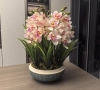
Should Phalaenopsis leaves be cut off after frost damage and how to prune them
When growing Phalaenopsis in winter, nothing is more worrying than frost damage! Watching the leaves go from emerald green to wilted and discolored is truly heartbreaking. But don't rush to cut off the damaged leaves in one go; different degrees of frost damage require very different handling. Mild frost damage: if you only notice scattered small water-soaked spots on the leaves, or
-
Is a Phalaenopsis better suited to being kept indoors or placed outdoors?
Do your Phalaenopsis orchids always end up dying? You may have put them in the wrong place! As a tropical epiphytic orchid, it really is better off indoors - outdoors it is much easier to run into problems. Advantages of indoor care: 1. Light. The thing a Phalaenopsis fears most is direct sunlight! Leave it in the strong outdoor sun for half a day and the leaves will develop scorched spots and turn yellow, or in serious cases simply wilt away
-

Why the Bottom of Cherry Tomatoes Turns Black and How to Prevent It
Have you fellow cherry tomato growers noticed that the fruit you finally managed to set suddenly turns black and soft at the bottom, or even rots into a hole? This is no accident; nine times out of ten it is "blossom end rot" at work - a disease that specifically targets the blossom end of the fruit and is especially common during the fruiting stage. Don't panic. Today we will cover the causes, the solutions and the prevention techniques.
-
How to care for potted strawberries in winter so they survive the cold safely
If you want your potted strawberries to thrive and bear plenty of fruit in winter, just focus on these key points, and even beginners can handle it easily. Temperature: strawberries are sensitive to cold and to extreme temperature swings. Below 5°C, the roots are prone to frost damage, and the leaves will wilt and turn purple. In the north, keep them in a heated room; in the south, keep them out of direct cold drafts, and at night you can cover them with a plastic bag to keep them warm (leave ventilation holes).
-
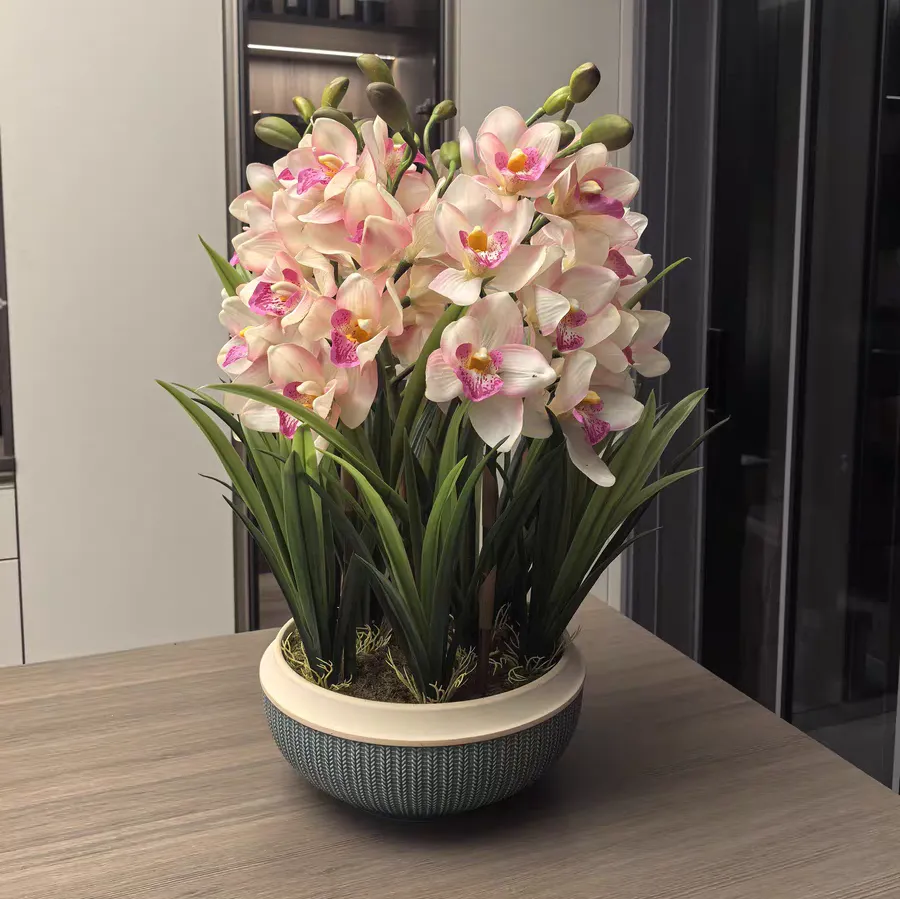
Is Phalaenopsis suitable for growing indoors?
Can’t keep your Phalaenopsis orchid alive no matter what? You might have put it in the wrong place! As a tropical epiphytic orchid, it’s actually much better
-
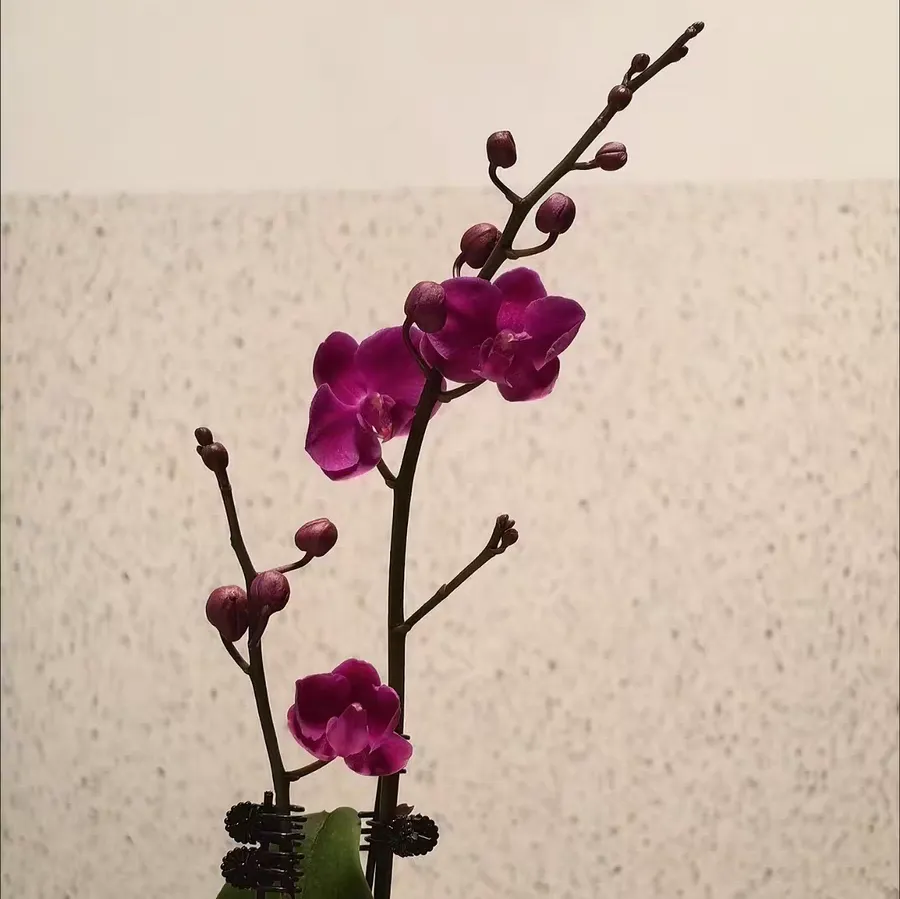
Should the frozen leaves of Phalaenopsis be cut off?
One of the most distressing issues when caring for Phalaenopsis orchids in winter is frost damage! It’s truly heart-wrenching to watch their leaves turn from
-
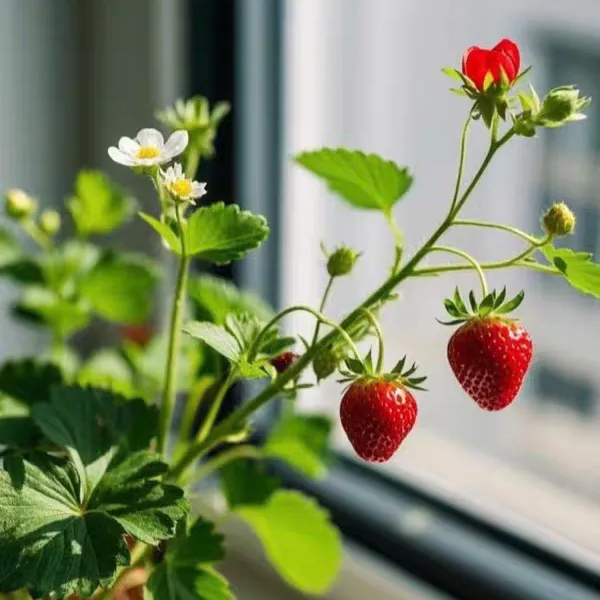
How to care for potted strawberries in winter to ensure they survive the winter safely?
To keep potted strawberries thriving and producing plenty of fruits in winter, just master these key points—even beginners can handle it easily.
-
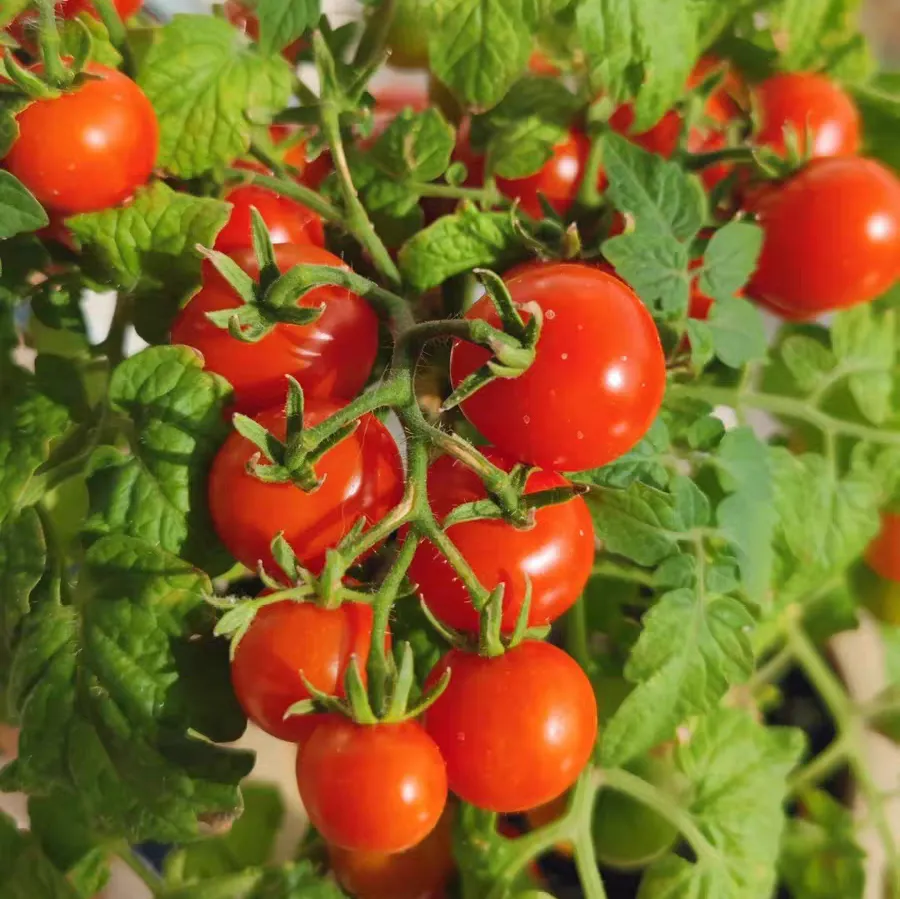
What causes the bottom of cherry tomatoes to turn black?
Have you ever noticed, fellow cherry tomato growers, that the fruits you've worked so hard to grow suddenly turn black and soft at the bottom, or even rot into
-

Balcony Gardening Recommendations: 5 Long-Blooming Flowers for Beginners and Lazy Gardeners
Want to create a four-season mini garden on your balcony but afraid of making mistakes? Copy this homework today! These 5 "flowering workhorses" placed on your balcony will easily give you year-round flower enjoyment, and beginners can jump in with eyes closed without falling into any traps! Hibiscus: As long as it gets enough sunlight, hibiscus won't stop blooming from spring to autumn! The bright red and bright yellow flowers are like little trumpets
-

Why do old Phalaenopsis orchids need repotting to survive?
Those of you who grow Phalaenopsis orchids have surely run into this question: your old plant at home has been growing for a year or two, looks fine on the whole, so does it still need repotting? Is it really true that it won't survive without repotting? The first reason old Phalaenopsis orchids need repotting is that the potting medium has "worn out." As we all know, Phalaenopsis orchids generally use bark, sphagnum moss and the like as potting medium. Over time, this medium becomes like an old worn-out rag: the bark crumbles into bits, the sphagnum moss rots into mud, and it completely loses its air permeability and drainage. After watering, the medium becomes stuffy and wet inside, and the orchid's roots simply can't breathe; over time, problems like root rot and black rot all come knocking.
条件筛选