-
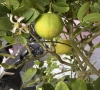
Just bought a potted lemon tree? Here's how to plant it and water it
The lemon plant you just received is bright green and super cute, but as you care for it, the leaves turn yellow and the fruit drops? In fact, as long as you do these few things well, even beginners can grow a lemon tree with lush branches and leaves that bears fruit every year. Light and daily care: place it on a south-facing balcony, terrace, or open courtyard, and make sure it gets at least 6 hours of direct sunlight a day. The more light it gets, the thicker and stronger the branches and leaves will be.
-

Why do tomato seedlings wilt and develop root rot after transplanting, and can they still survive?
Did your freshly transplanted tomato seedlings suddenly wilt, develop root rot, or even die? Don't panic! It is most likely that these 3 issues were overlooked. Below, we'll help you quickly identify the cause and save the seedlings to protect your harvest. Cause 1: Planting too deep + watering too much, leaving roots suffocated, rotten and deprived of oxygen. Beginners often make the "deep planting, waterlogged roots" mistake: when planting, the soil is mounded too deep (the stem is buried more than 5cm), and watering
-
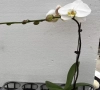
For beginners growing Phalaenopsis orchids, these are the recommended starter varieties
For those just starting out with Phalaenopsis orchids, choosing the right variety is often the first step to success. Today we'll recommend a few Phalaenopsis varieties suitable for beginners, with easy reblooming, strong flowering capacity and high tolerance to environmental conditions. 1. Big White V3. Big White V3 has thick, full petals; when in bloom the whole plant is pure white and elegant, with a natural purity
-
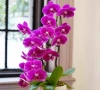
How do you get rid of small flying insects and bugs in a Phalaenopsis pot?
Your carefully tended Phalaenopsis has just started to grow a flower spike, when suddenly a bunch of small flying insects appears on the surface of the potting mix, and they fly up in a cloud when you water, and when you lean in close there is a bit of a sour, foul smell? Today I will share my pest-control guide with everyone. Step one: physical methods. Yellow sticky traps: buy a few sticky traps made for flowers and plants, just stick them into the edge of the potting mix, and leave them alone; in one day they will
-
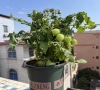
Why does a tomato stem grow bumps, is it a disease?
Don't ignore bumps appearing on tomato stems; timely treatment is the only way to ensure a good harvest! Today I've put together the common causes and solutions, so even beginners can easily get the hang of it. Aerial root type bumps (a physiological response) Appearance: white/light green soft bumps on the stem, like "little aerial roots", mostly near the potting soil. Causes: overwatering, soil poorly
-
Reasons for Yellow Leaves and Leaf Drop in Lemon Trees and How to Fix Them
Don't panic if your lemon tree has yellow leaves and is dropping leaves! Find the cause and treat it accordingly, and it will soon recover its vitality. Here are some super practical solutions that even beginners can handle! 1. Watering problems. 1. Waterlogged roots and root rot. Symptoms: lower leaves turn yellow first and fall off at the slightest touch, leaf tips turn brown, and the potting soil is sticky and wet. First aid: stop watering, take the plant out of the pot and cut off the rotten roots (black-brown, mushy
-

Should Phalaenopsis aerial roots be tucked into the pot or left to grow outside it?
Growers of Phalaenopsis orchids have probably all faced this dilemma: those aerial roots poking out of the pot - should they be tucked back in, or just left dangling outside? Phalaenopsis aerial roots are different from the roots of ordinary plants; they were never meant to work buried in soil. Wild Phalaenopsis orchids grow on trees, with their aerial roots directly exposed to the air
-

Causes of Phalaenopsis Soft Rot and the Most Effective Treatment Methods
Many flower enthusiasts have experienced this: a perfectly healthy Phalaenopsis suddenly develops soft, sticky leaves, or even oozes pus, which is heartbreaking. So what exactly causes this troublesome soft rot? And what medication can treat it? Why do Phalaenopsis get soft rot? The main culprit is a bacterium called Erwinia, which particularly loves damp and stuffy environments.
-

What kind of Phalaenopsis roots need pruning? Learn to tell when it's time to trim roots
Growers of Phalaenopsis orchids have surely noticed its plump roots, some translucent like jade, others wrinkled and blackened; in fact, the state of these roots hides quite a few little secrets. Today let's talk about what kind of roots should be cut, and how to judge whether it's time to act - you'll understand at a glance. Which roots absolutely must be "snip"-ed off? The most obvious are
-

Which potted plants do not need sunlight? Four small potted plants with low watering frequency
Insufficient indoor light and low watering frequency? These four potted plants do not need frequent sunlight, nor do you have to constantly remember to water them. They are suitable for busy people or beginners, and are simply a blessing for renters and overtime workers. Even if you occasionally forget to take care of them, they can still live quite vigorously. Small-leaf red nanmu: Small-leaf red nanmu (Syzygium buxifolium) looks especially delicate, with small oval leaves that are glossy green, and from a distance it looks like a mini forest. The best part is that it is not picky about light, so it can be placed in a corner of the living room or beside a desk, as long as it is not completely pitch-black. Watering is even more worry-free; water only after the soil has dried out completely, about once every ten days or so is enough, in summer when evaporation is fast at most once a week, and in winter once every half month is no problem. I once kept one, went on a business trip for half a month without tending it, and when I came back it still looked vigorous, just a little wilted leaves, and after a bit of water it perked up the next day, very easy to keep.
条件筛选