-
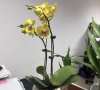
Reasons for Phalaenopsis root rot in summer and how to save it
In summer, with high temperatures and high humidity, Phalaenopsis orchids can easily develop root rot if you are not careful - the roots turn black and mushy, and the leaves turn yellow and soft, which is really distressing to see. In fact, as long as you act promptly, a Phalaenopsis with root rot can absolutely be saved! Today I will share the emergency rescue steps and follow-up care tips with everyone, so even beginners can handle it easily ~ 3 steps to rescue root rot
-

Which plants and flowers easily become invasive
Beginner gardeners and plant killers are always looking for plants with tenacious vitality. Today I will introduce several "weed-level" plants. However, their reproductive capacity is extremely strong, and when planted in the ground they easily become invasive and cause disaster, so gardeners with limited planting space must be cautious! Variegated ground ivy. Variegated ground ivy is an evergreen vine in the Lamiaceae family, shade-tolerant
-
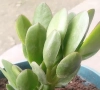
How to care for a jade plant in summer? Avoid the big mistakes to keep it thriving
The jade plant has thick, emerald-green leaves, and as its branches grow they take on an increasingly old-tree, bonsai-like look, bringing a wonderful sense of life to any home. But once the high temperatures of summer arrive, it easily runs into problems - root rot, scorched leaves, and a limp, listless appearance. In fact, all of these come down to poor attention to care details! Today I'll explain clearly the "3 pitfalls" you must avoid when caring for a jade plant during the hot season.
-

Do Phalaenopsis orchid leaves need regular pruning, and when is the best time to prune?
In the morning, squatting on the balcony watering the flowers, you look down and see that pot of Phalaenopsis orchid with several leaves crowded together, one of them with a tip as yellow as scorched paper and slightly curled edges - doesn't this scene feel so familiar? Many friends who grow Phalaenopsis orchids ask: "Do the leaves need to be pruned regularly?" "Will it die if I prune wrong?" Phalaenopsis orchid leaves
-

What to do when a Phalaenopsis orchid grows a young offshoot on its side, and does it need to be divided into a separate pot?
A perfectly healthy Phalaenopsis orchid suddenly sprouts a small tender shoot on its side. It looks quite cute, but you are not sure what to do with it. Should you keep this little offshoot or remove it? Should you hurry to divide it into its own pot? Phalaenopsis orchids are different from other flowers: their side shoots usually grow on the flower spike, and sometimes they also emerge near the roots. This shows that your Phalaenopsis has been kept
-

Causes and Solutions for Dry Air Roots on Phalaenopsis Orchids
A perfectly healthy Phalaenopsis orchid is growing along, and then suddenly those exposed aerial roots dry up. Some get all wrinkled like shriveled kelp, and others turn dark brown outright. Actually, there is no need to panic about this. First figure out why the aerial roots are drying up, then treat the problem accordingly. Why do aerial roots dry up? The most common reason is air that is too dry. Phalaenopsis
-

Is it easy for soil-grown plants to die when converted to water culture? Pick the right species and they are easy to keep
Switching familiar soil-grown plants into hydroponic containers and watching the roots spread out in a clear glass bottle is a joy for many plant lovers. But changing environments is like a test for plants, and some people think soil-to-hydroponic conversion easily kills plants; in fact, the key is to understand the rules by which plants adapt to a hydroponic environment. When converting soil-grown plants to hydroponics
-
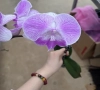
Recommended high-appeal, easy-care Phalaenopsis varieties: which Phalaenopsis varieties are worth getting
For plant lovers who enjoy greenery and also pursue good looks, Phalaenopsis (moth orchids) are undoubtedly an excellent choice for indoor growing. They not only have elegant flower shapes and rich colors, but some varieties also come with a captivating fragrance, and their care difficulty is moderate, so even beginners can easily handle them. Today we recommend six Phalaenopsis varieties that combine beauty and strength.
-
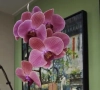
Phalaenopsis humidity control methods and care precautions
Anyone who grows Phalaenopsis at home surely knows that this little thing is quite delicate, especially when it comes to humidity, and its requirements are not low at all. Today I will explain in detail how to maintain the humidity for Phalaenopsis. Phalaenopsis is a tropical plant, and the most suitable humidity range for its growth is generally between 50% - 70%.
-
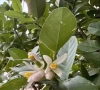
Care Methods and Precautions for Potted Lemon Trees After the Flowers Fade
If a potted lemon tree is not cared for properly after flowering, it can easily end up bearing few fruits, with leggy branches or even declining growth. Today I will share with you the specific care methods for potted lemon trees after the flowers fade, so even beginners can master them easily. 1. Precise Pruning The first priority after the flowers fade is to promptly prune away spent flowers and useless branches, to avoid
条件筛选