-

Analysis of the reasons why Qingxiangmu (Pistacia weinmannifolia) drops its leaves; keep an eye on these factors
Qingxiangmu (Pistacia weinmannifolia) originates from Yunnan, Guizhou and other places in China. Because it is a sun-loving tree but also tolerates slight shade, it can be made into a bonsai. However, some gardening enthusiasts find that their Qingxiangmu starts dropping leaves after being cultivated for a period of time, which is very likely a sign that the plant has not adapted to its environment
-
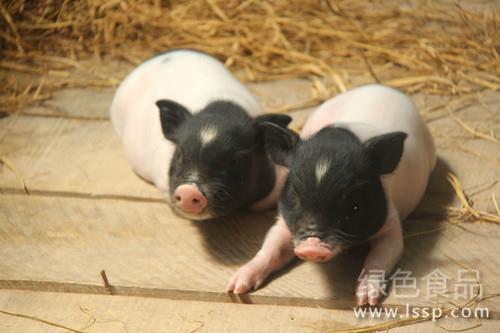
Xiang pigs have lower cold tolerance than local pigs: key points for winter feeding
Xiang pigs have lower cold tolerance than local pigs: key points for raising Xiang pigs in winter
-
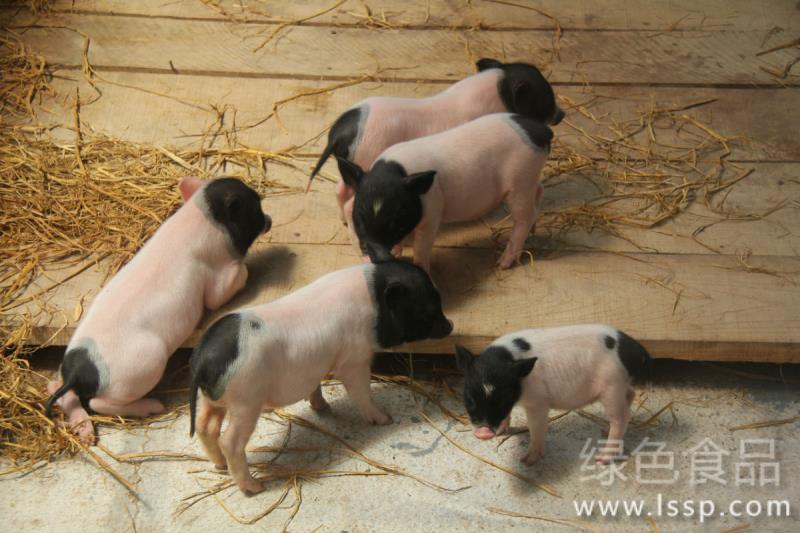
Xiang pigs are easy to raise and have a high feed conversion rate. What are the points to note in raising them?
Xiang pigs are easy to raise and have a high feed conversion rate: points to note in raising miniature Xiang pigs
-

What are the key points to note when raising Xiang pigs? A detailed explanation
Key points to note when raising Xiang pigs
-

-
How effective is Huoxiang Zhengqi Shui (Agastache Rugosa Qi-Correcting Liquid) in treating a cow's cold?
A draft cow suffered from uninterrupted diarrhea and dysentery due to exposure to wind-cold in winter. The next day it was fed an appropriate amount of charcoal powder, which took effect at the time, but it soon relapsed. On the third day its hair stood on end and its body trembled, and it still had uninterrupted diarrhea; it was diagnosed with a gastrointestinal-type wind-cold cold. Based on an estimated cow weight of 250 kg, it was given 5 vials of Huoxiang Zhengqi Shui, mixed into warm feed water for drinking. Within a few minutes the cow's bowel movements returned to normal, and its muzzle was no longer dry. Also, because the cow had previously been harmed by doufu jiangshui (drinking too much water), and this substance is cold and cooling in nature, Fuzi Lizhong Wan was therefore given at 5 times the human dosage, used for 2 consecutive days, to
-
Occurrence and Control Methods of the Black Velvet Chafer in Fengxiang County, Shaanxi
The black velvet chafer (commonly known as "louhu") has a body length of 7-8 mm, a blackish-brown or purplish-brown body color, and blackish-brown fine hairs on its body surface. It has one generation per year and overwinters as an adult. In April of the following year, it emerges and becomes active, then feeds on the leaves of weeds, poplar, willow, and elm trees. After crop seedlings emerge, it migrates to sunflowers, beans, and other crops to feed and cause damage. During the day, it hides in weeds and soil cracks. It mostly flies out in groups in the evening to cause damage, biting the tender leaves of willow, elm, and fruit trees, as well as the seedlings of crops such as alfalfa, sunflower, sweet potato, potato, and kidney bean. Adults have a death-feigning habit and phototaxis. From May to
条件筛选