-

What month is best for transplanting a wild-collected Vaccinium bracteatum stump so it survives? A detailed guide to the best transplant time
Abstract The best time to transplant Vaccinium bracteatum is between February and March. It likes sunlight, tolerates drought, and is fairly cold-hardy, with a wide growing range. Vaccinium bracteatum is basically transplanted to be grown as a potted plant. It stays evergreen all year round, occasionally taking on a slight reddish tint in autumn, giving a serene and antiquely elegant feeling.
-
Is the wild Vaccinium bracteatum easy to grow? A detailed guide to bonsai cultivation techniques
Vaccinium bracteatum, also known as Nanzhu or Wufanzi, is verdant and elegant, carrying a distinctive scholarly charm, and is especially well suited to bonsai. It must be said that for netizens who love plants and flowers, this is a great boon. Recently, quite a few netizens have been gathering information on Vaccinium bracteatum bonsai cultivation
-
Can wild sweet potato be grown in pots? Teaching you how to tell male from female
Wild sweet potato is a kind of wild fruit that grows on the ground. Because it resembles a pipa, it is also called ground loquat, and it can be viewed as a landscape green plant. Its growth process depends heavily on soil, so growing it is rather difficult, so friends who want to grow wild sweet potato in pots
-
When do wild Rosa roxburghii fruits ripen? An introduction to their ripening time
Wild Rosa roxburghii is a fruit produced on the Yunnan-Guizhou Plateau. It has many thorns on the outside, but the flesh inside is delicious and also highly nutritious, so it is very popular among people. So when do wild Rosa roxburghii fruits ripen? 1. When do wild Rosa roxburghii fruits ripen? Wild Rosa roxburghii generally
-
What Kind of Tea Is Wild Tea? A Detailed Explanation of Wild Tea's Tea Category
In a narrow sense, wild tea should refer specifically to those wild tea trees that exist naturally without human intervention; they often have a long history of growth, and their origins are difficult to trace. In a broad sense, wild tea should also include those tea trees that were cultivated by humans but were later abandoned for natural or man-made reasons, and that have grown naturally in wild forests for a long period.
-
What is the difference between Chrysanthemum nankingense and wild chrysanthemum, and can it be brewed as tea?
Chrysanthemum nankingense, also known as lianngeng wild chrysanthemum, is a common wild vegetable in Jiangsu, Hunan, Guizhou and other places. It is deeply loved by people because of its effects of clearing heat and detoxifying, calming and sterilizing, but because it looks very similar to wild chrysanthemum, many people think they are the same, so Chrysanthemum nankingense
-
How to tell chrysanthemum and wild chrysanthemum apart? Three methods to teach you how to distinguish them
When it comes to chrysanthemum, we all know that brewing it as tea has the effect of clearing heat and detoxifying, but there are so many kinds of chrysanthemum on the market, and especially wild chrysanthemum and chrysanthemum are hard for many people to tell apart, making it easy to be fooled. Today, the editor will teach you three methods to distinguish them! Difference
-
How much is wild honey per jin? 5 tips to teach you how to tell real from fake
Everyone knows that honey is a good thing, containing glucose, fructose, various vitamins, minerals and amino acids, and it is one of the most commonly used nourishing products, so many people want to buy authentic wild honey. So how much is real wild honey per jin? How to tell
-

How to care for newly collected wild orchids? Teaching you the correct care methods
After buying and bringing home a newly collected wild orchid, it is very necessary to remove some broken roots and hollow roots depending on how strong or weak the orchid is. Do not think that the more roots left, the easier it is to survive; often the broken roots left behind are the source of disease....
-
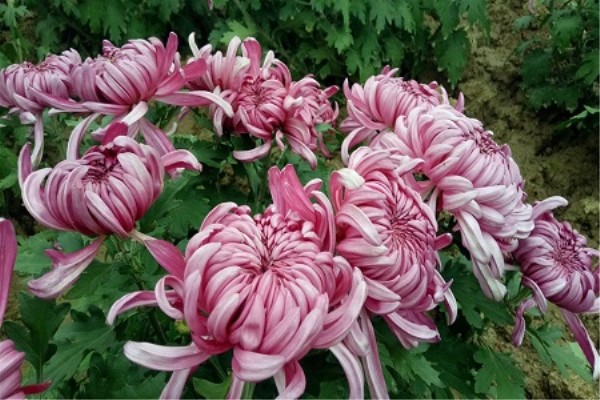
Can wild chrysanthemums be used to make tea?
Of course they can be steeped in water, and many people have surely drunk it. Steeping it in water gives off a delicate fragrance and tastes sweet. It also promotes human health. For example, it can clear heat and reduce internal fire, and it can also improve eyesight, among other things. However, some issues need attention. Because it is cold in nature, the amount used at one time must not be too large. Of course, it also should not be drunk over the long term. When buying it, it is prone to getting worms, so pay attention when purchasing; in addition, pay attention to the color.
条件筛选