-

A detailed guide to golden zucchini growing techniques, covering the whole process from sowing to field management
Golden zucchini is a zucchini whose skin and flesh are golden in color. It is a relatively rare high-quality squash and a mutant variety of zucchini. It is now being grown in many regions as well, so what are the golden zucchini growing techniques? 1. Land selection and preparation: For field preparation, golden zucchini has strong adaptability to the environment.
-
How Is Rice Grown? A Detailed Explanation of the Whole Rice Planting Process
How is rice grown? Rice is the finished product made from paddy grain after processes such as cleaning, hulling, milling, and finished-product sorting. Rice cultivation techniques. To cultivate rice, you need to master seven stages: land preparation, seedling raising, weeding and pest removal, fertilizing, irrigation and drainage, drying, and screening.
-
A Detailed Guide to the Whole Pheasant Incubation Process and Points to Note
In daily life, chicken is something we eat quite a lot of, but pheasant is different from the domestic chicken we usually eat. Pheasant counts as game, and its nutritional value is higher than that of domestic chicken, but at the same time its supply is not as abundant as that of domestic chicken. The market demand for pheasant is still
-
A Detailed Guide to Pea Shoot Cultivation: The Whole Process from Sowing to Harvest
Pea shoots actually refer to the tender seedlings of peas, the young leaves from the growing period of the pea plant, which can be eaten as a vegetable. So what does pea shoot cultivation technique involve? 1. Seed selection. Choose pea varieties suitable for producing pea shoots, such as Shanxi small grey peas
-
A Detailed Guide to the Whole Wheat Growing Process, from Sowing to Harvest
Wheat is a common food crop with many uses: once milled into flour it can be made into bread, steamed buns, biscuits, noodles and more, and after fermentation it can be turned into beer, alcohol, baijiu, or biomass fuel. The method of growing wheat is very simple, so below we introduce wheat
-
A Complete Guide to the Whole Process of Growing Roses
Summary Growing environment: Choose loose, fertile and well-drained soil with plenty of sunlight; the suitable growing temperature is between 12-28°C, and enough fully decomposed organic fertilizer must be mixed into the pot. Seed treatment: Before planting, the seeds need to be soaked in warm water at 40°C for 6 hours to
-
A Detailed Guide to the Entire Growing Process of Lycopus lucidus from Sowing to Harvest
Summary Growing methods: Lycopus lucidus can be grown from rhizomes or from seed. For rhizome planting, cut tender rhizomes into segments of about 12 cm, plant 3 segments per hole, cover with soil, firm it down and water thoroughly. For seed planting, sow in rows after Qingming Festival. Field management: during the seedling
-
How Do Hamsters Reproduce? A Detailed Explanation of the Breeding Method and the Whole Process
How do hamsters reproduce? Hamsters have very short lifespans, averaging around 2 years. Generally, hamsters have reproductive capacity from 40 days old, but female hamsters suitable for breeding need to be 3-4 months old. Please also do not breed hamsters after they are 1 year old. When a male and a female are kept together, they will show mating behavior before long, but not every mating results in pregnancy. When the male is in heat, his testicles enlarge, and when the female is ready to mate, she raises her tail and stays still; after the male sniffs the female's rear, mating begins. <p style="text-align: center;"></p> <p style="text-indent:2em;">1. Long-term cohabitation method</p> <p style="text-indent:2em;">Also called the frequent breeding method. This method is relatively simple in management and can reduce the chance of disease transmission. One male is housed together with 1 female. Within a few hours after the female gives birth, she can mate and conceive again. Under normal circumstances, each female can produce 1 litter per month. This makes full use of the hamster's breeding capacity (especially the female's postpartum estrus). Because the female bears the heavy burden of being pregnant while nursing, attention should be paid to strengthening nutrition.</p> <p style="text-align: center;"></p> <p style="text-indent:2em;">2. Regular cohabitation method</p> <p style="text-indent:2em;">Also called the non-frequent breeding method. One male and 6 females are organized into one breeding unit. Each week, 1 female is placed into the male's cage, that is, the male is made to cohabit with 1 female on a weekly schedule, and at the same time the pregnant female is removed and placed in a separate cage for giving birth, nursing, and weaning, and so on. Each female's production cycle is 42 days, longer than in the long-term cohabitation method. But it facilitates planned supply and production, and the nursing pups receive sufficient nutrition, so the pups develop well; at weaning, the average body weight is 1-2 g heavier than with the previous method. At this time, the reproductive capacity of the breeding hamsters should be checked frequently, and breeding hamsters with low conception capacity should be culled promptly and new breeding stock added.</p>
-
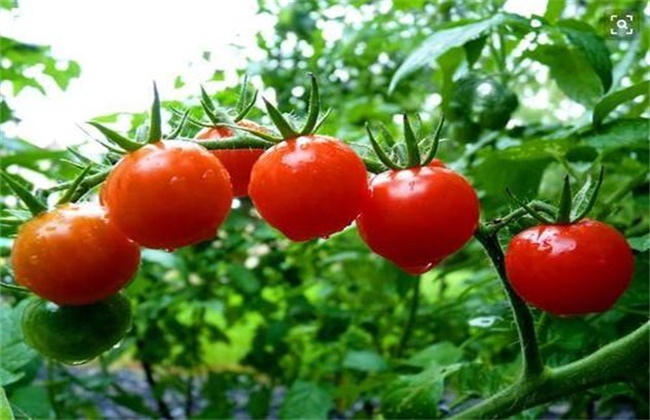
A detailed guide to tomato planting and management steps, mastering the whole process in one article
Tomato planting and management steps
-
How to Make a Selaginella Bonsai? A Detailed Guide to the Whole Process of Pruning, Potting, Shaping and Care
Selaginella, also known as the resurrection plant, has evergreen foliage and a low, compact form, making it an excellent material for bonsai. Sharing the method for making a Selaginella bonsai: choosing a pot and pruning, potting and shaping, watering, top dressing and key care points, teaching you to easily create a richly layered resurrection plant bonsai.
条件筛选