-

It's kapok blossom season again - a complete guide to understanding the hero flower
In the streets and alleys of Lingnan, when the spring chill has not yet fully faded, bright patches of red quietly climb onto the branches, passionately and boldly announcing the arrival of spring. This red is the color of the kapok flower, affectionately called the "hero flower" by the people of Lingnan. The kapok, belonging to the Malvaceae family, is a large deciduous tree. Seen from afar,
-

Sogetsu Ikebana Exhibition Uses 400 Boxes of Staples to Reconstruct Our Understanding of Flower Arrangement
In the public's conventional perception, the world of flower arranging seems to be dominated solely by vividly colorful fresh flowers and lush green foliage. However, a recent spring Sogetsu Ikebana exhibition arrived like a bombshell, overturning everyone's fixed impression of the art of flower arranging. When 400 boxes of staples transformed into
-

How to Grow Rain Lilies So They Fill the Pot? First, Understand Their Symbolism and Meaning
Many couples in the throes of romance rack their brains over what special flower to give their partner on a holiday; the usual popular choices like roses and tulips feel a little less special. If you are also fretting over this question, let me introduce you to the "rain lily"! Rain lilies are perennial herbaceous plants, and their flower language is first love and pure love. Giving them to a partner in the throes of romance
-
Hydroponics vs. Soil Culture: Which Is Better? Understanding the Differences in One Article
Have you ever hesitated between soil planting and hydroponics when growing flowers? Today we'll give you a detailed introduction to the differences between these two methods, so you can easily master the essence of growing flowers! Growing Environment Soil Culture: It's like sending plants back into the embrace of nature, and the types of soil are incredibly rich and varied. Loose leaf mold, fertile garden soil
-

How to Tell If a Phalaenopsis Orchid Is Underwatered and How to Rescue It After Drought Damage
The Phalaenopsis orchid (Phalaenopsis spp.) is an elegant and beautiful flowering plant, and managing water properly during its care is crucial. Too much or too little water will both have a negative effect on the growth of the Phalaenopsis. So how do you tell whether a Phalaenopsis is short of water, and what should you do once it has suffered drought damage from lack of water? How to tell whether a Phalaenopsis is short of water: Observe
-

How to Choose Plants for a Rooftop Garden? First, Understand Its Advantages
A rooftop garden, as a touch of oasis in the modern city, is a perfect combination of landscape design and interior design. It ingeniously introduces green plants into urban spaces, adding a sense of natural beauty and ecological value to the steel-and-concrete city. A rooftop garden can not only increase the city's green coverage and improve the urban environment, but also
-
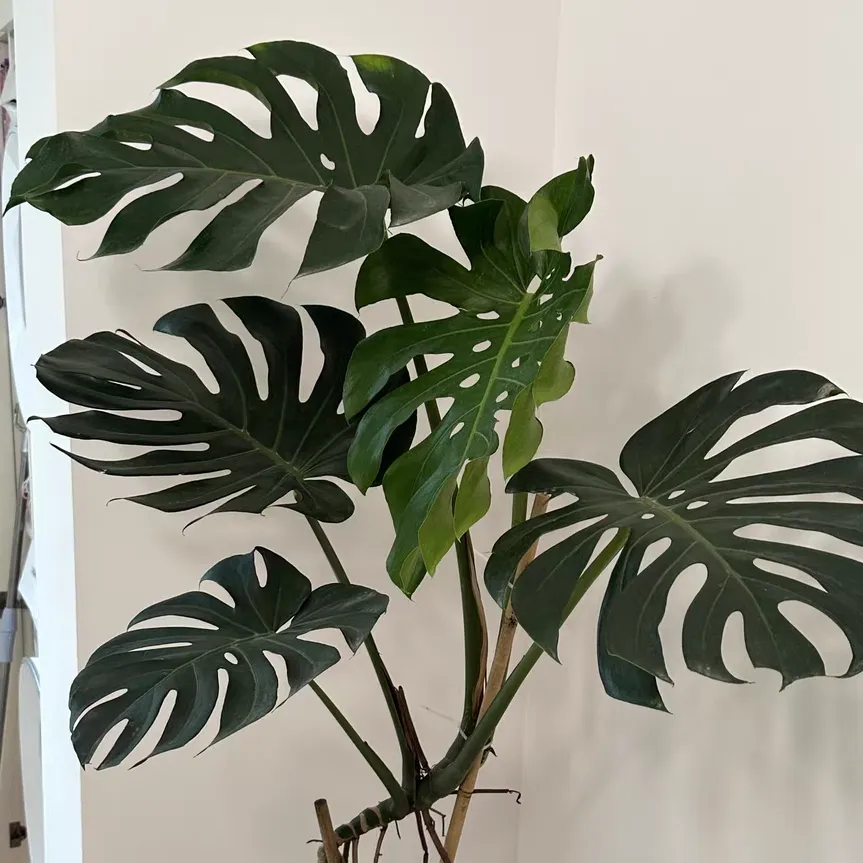
Plants Suitable for Rooms with Under - Floor Heating
In winter in the northern regions, when choosing indoor green plants, one should not only consider their ornamental value but also take into account their
-

When Should You Not Water Plants in Winter? The Dangers of Overwatering Are Not to Be Underestimated
In winter, as temperatures gradually drop, many flowering plants enter a dormant period. At this time their metabolism slows down, and their demand for water and nutrients decreases greatly. Therefore, when caring for plants in winter, watering becomes an issue requiring special attention. The following are five situations in which you must absolutely not water your plants,
-
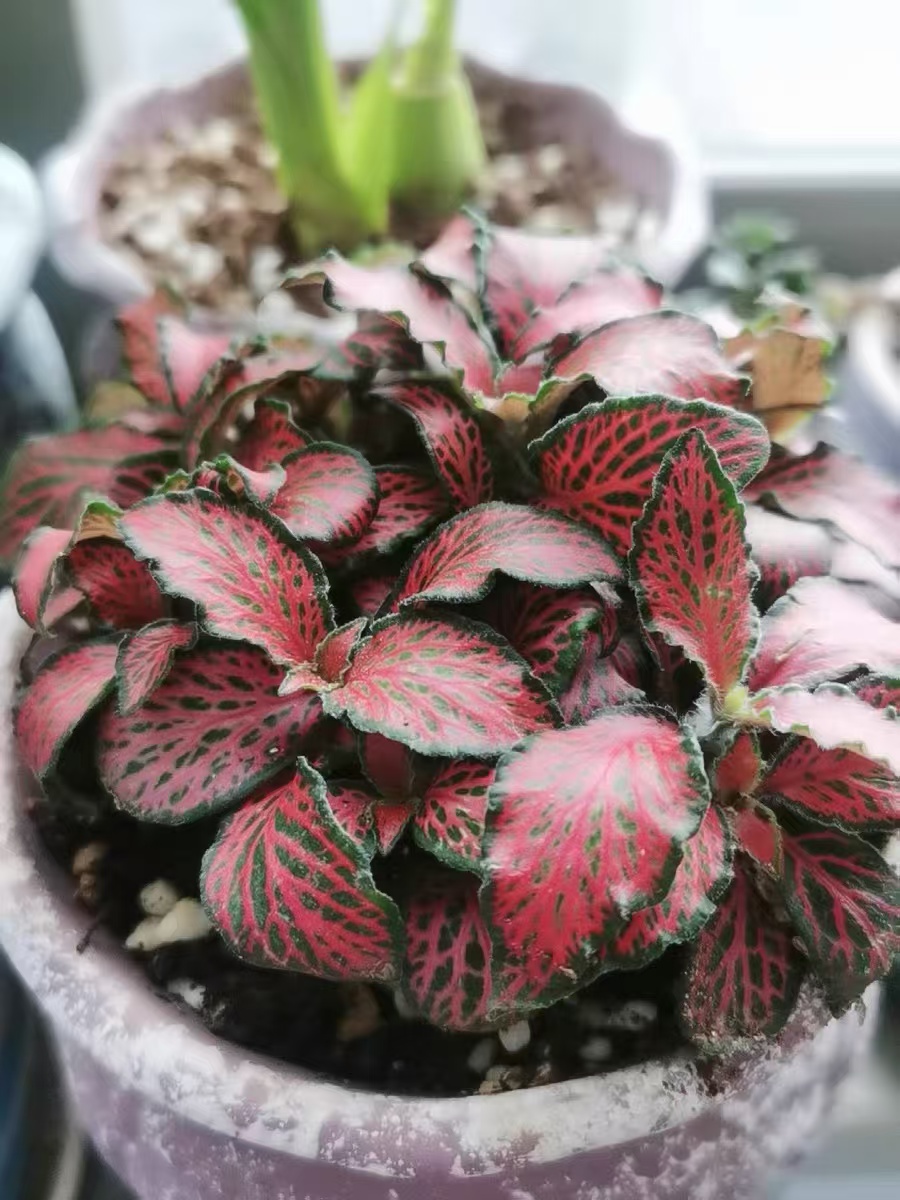
When growing flowers in winter, under which circumstances should you not water them?
In winter, as the temperature gradually drops, many flower plants enter a dormant period. At this time, their metabolism slows down, and their need for water
-

Can Tradescantia spathacea (Moses-in-the-cradle) be eaten? Understanding its benefits and effects
Tradescantia spathacea, a plant whose name alone sounds full of mystery and health. Generally speaking, fresh Tradescantia spathacea leaves are not recommended for consumption, because they may contain components harmful to the human body and cause poisoning. However, after specific processing, such as drying its tender leaves into dried vegetables, Tradescantia spathacea can be safely eaten.
条件筛选