-

Two Essential Technical Points for Ground Beetle Farming
(1) Rearing equipment can be designed according to the scale and purpose of rearing. Here only the rearing equipment used to provide a source of medicinal insects is introduced. The standard rearing pit makes use of old houses, temporarily unused livestock sheds with roofs and walls, toilets, and so on, by digging about 67 cm deep underground.
-
Two Efficient Methods for Raising Small-Tailed Han Sheep
These two new raising methods for Small-Tailed Han Sheep in this article can reduce feeding costs, improve breeding efficiency, and are very beneficial to the growth of Small-Tailed Han Sheep. 1. Stomach-flushing method. During raising, Small-Tailed Han Sheep inevitably eat dirty feed and drink unclean water, causing them to suffer from parasitic diseases, diarrhea or
-
How to prevent and treat silent abortion in dairy cows within the first two months of pregnancy
Silent abortion in dairy cows within the first 2 months of pregnancy occurs frequently and is a loss to the cattle industry, and it should draw great attention from cattle farmers. If a dairy cow is confirmed pregnant 1-2 months after breeding, then later shows signs of estrus, and upon re-examination the original signs of pregnancy have disappeared, this is silent abortion.
-
How can a ewe give birth twice a year? Shorten the lactation period and strengthen nutrition
Abstract To make a ewe give birth twice a year, it is necessary to combine shortening the lactation period with strengthening nutrition. Within one week of birth, the lamb can be kept together with the ewe, but after one week of birth, it must be separated from the ewe during the day and only receive breastfeeding three times a day,
-
How to Control Cutworm Pests in Corn Fields
This year is a once-in-a-century year of severe drought. Due to the drought, cutworms have broken out severely in Taiyi Township, Dali City. The cutworm is also called the soil silkworm, earth silkworm, or root-cutting worm. It is a relatively common underground pest. The life cycle of the cutworm is divided into egg, larva, pupa, and adult (moth)
-
Detailed Explanation of Control Methods for Two Major Diseases of Codonopsis pilosula
Root rot and rust are the two most common major diseases in Codonopsis pilosula cultivation, and these two major diseases have seriously affected the cultivation benefits of Codonopsis pilosula. So how should these two major diseases be controlled respectively? Codonopsis pilosula root rot: Symptoms of Codonopsis pilosula root rot: It often begins to occur during the high-temperature and high-humidity period from May to June in summer.
-
Two Methods for Controlling Cucumber Gray Mold
Cucumber, a plant of the genus Cucumis in the Cucurbitaceae family. Also called hu cucumber, qing cucumber. The fruit is oily green or emerald green in color, with soft small spines on the surface. Cucumber likes warmth and cannot tolerate cold. The suitable temperature for growth is 10-32°C. Generally, growth is best at 25-32°C during the day and 15-18°C at night; the most
-
Which pesticide is effective for controlling cutworms?
The cutworm is a common underground pest during the seedling stage of various crops in our country, and its harmfulness is relatively great. The crops it damages include cotton, corn, sorghum, millet, wheat, potatoes and other tuber crops, beans, hemp, alfalfa, tobacco, sugar beet, rapeseed, cucurbits, many kinds of vegetables, as well as lawns.
-

What potted plants are good to grow? These two medicinal flowers are worth planting
Still don't know what potted plants to grow? These two medicinal flowers are worth planting
-
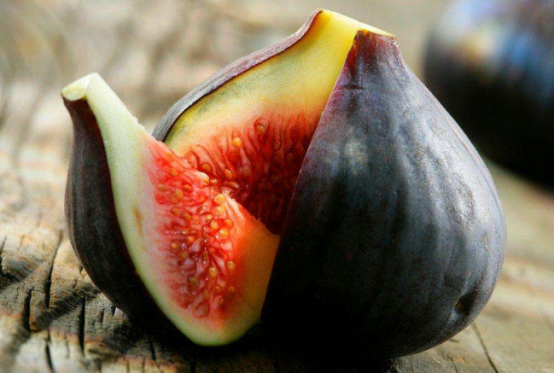
A Detailed Explanation of Two Processing Technologies for Fig Products
Introducing two processing technologies for fig products
条件筛选