-
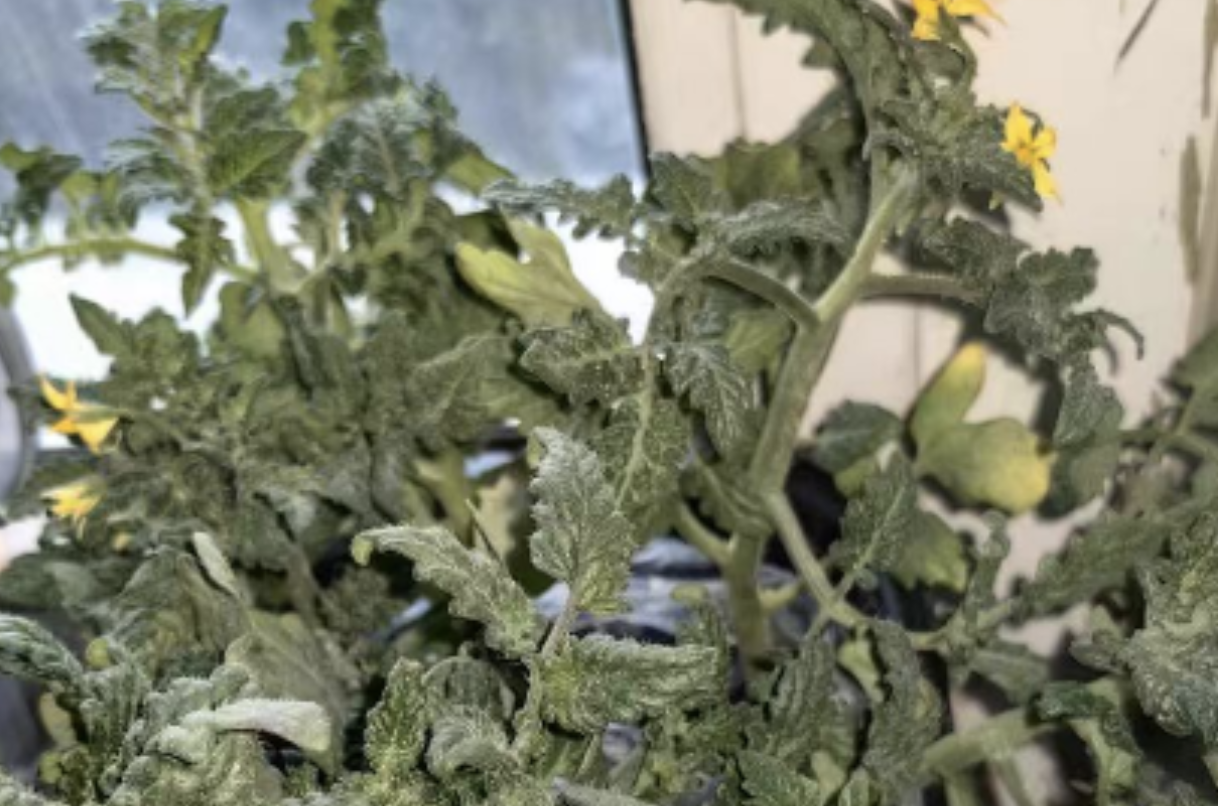
Should I trim off the yellow leaves of the tomato seedlings?
Tomatoes are a common vegetable on our dining tables, but the issue of yellowing and wilting leaves in tomato seedlings can be a headache for many gardeners.
-

Can You Trim Phalaenopsis Roots in Autumn? Get These Points Straight Before You Start
"It's autumn, and the roots of my Phalaenopsis look like a mess. Can I actually trim them?" There's really no absolute answer to this question, but most likely it's "yes, you can trim" - the catch is that you have to tell apart the roots that "should be cut" from the roots that "must not be touched," otherwise one snip of the scissors and the plant may not be saveable. Why is root trimming so often brought up in autumn?
-
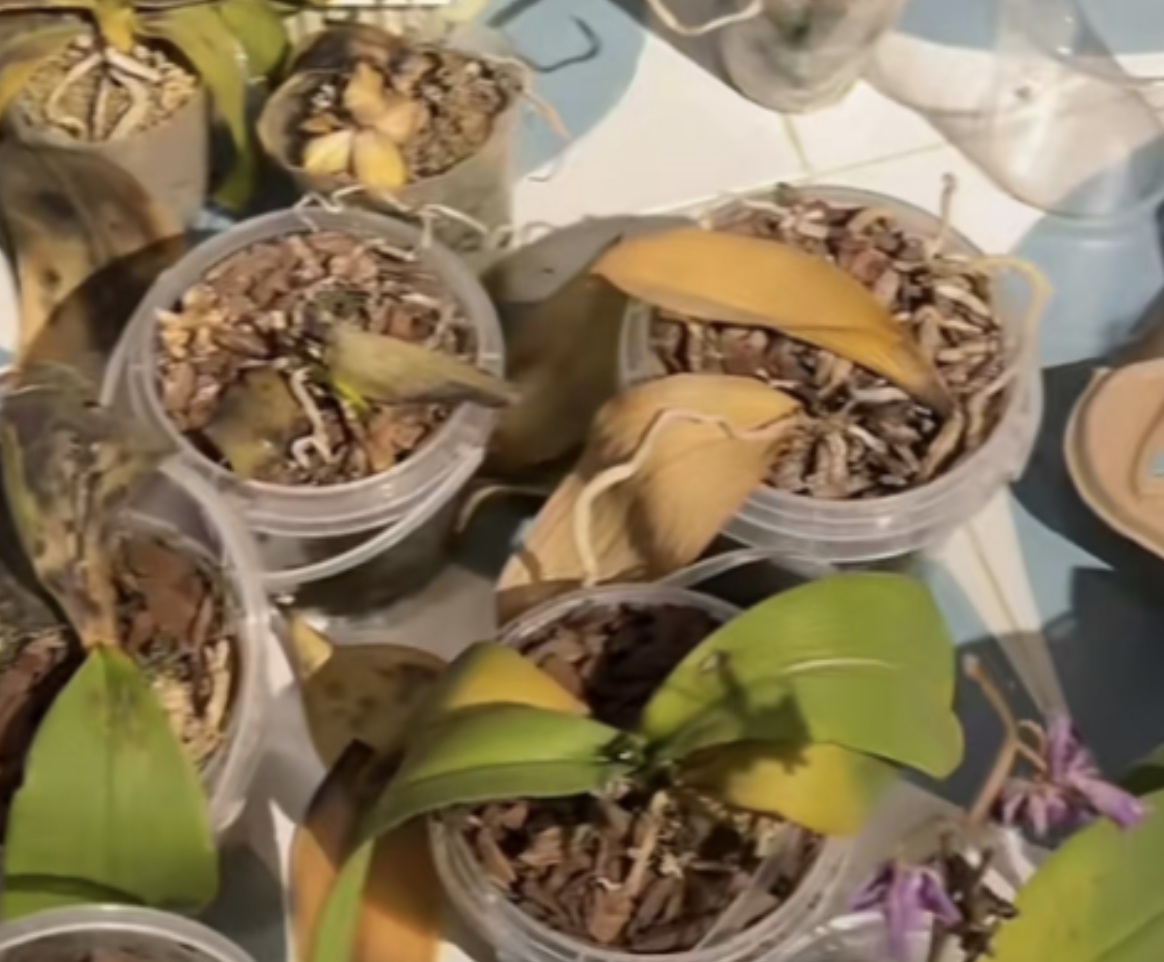
After Blooming, Should You Trim a Phalaenopsis Orchid’s Spike? Does It Impact Future Blooms?
“My orchid’s flowers have all faded—should I cut the spike or leave it?” This seemingly simple question actually holds the secret to whether your Phalaenopsis
-
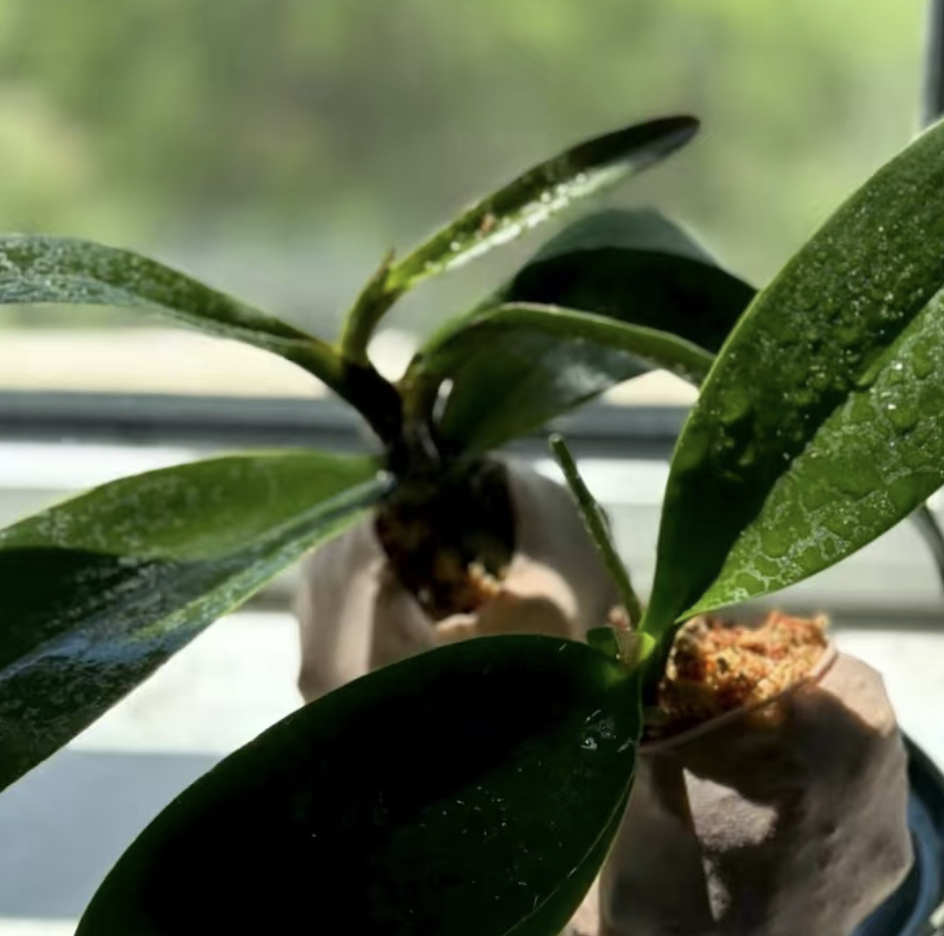
What are the best practices for growing Phalaenopsis orchids? And how should you care for them after trimming the flower spike?
Flowers bloom and fade, and caring for Phalaenopsis orchids after they finish flowering is especially important. For beginners, knowing how to manage the plant
-

Should you trim the roots of a Phalaenopsis? Trim correctly in these 3 situations for strong roots and abundant blooms
If you see the roots in a Phalaenopsis pot either sticking out in a tangled mess, or some turning black and soft, should you trim them or not? Some people think "roots are the life of the flower" and are afraid of harming it by trimming; others think "if you don't cut bad roots, they'll spread" and go at it too harshly. In fact, Phalaenopsis roots shouldn't be trimmed casually - it depends on the situation. Trim correctly and it will
-
Root rot in Phalaenopsis (moth orchid) after repotting: should you trim the roots and disinfect, or repot again?
I believe many people who grow Phalaenopsis have run into the frustrating problem of root rot after repotting. You meant to give the plant a comfortable new environment, but instead the roots ran into trouble. Watching a once-vigorous Phalaenopsis gradually go limp is enough to make anyone anxious. In fact, as long as you deal with it promptly and adjust your care routine, there is a good chance the Phalaenopsis will recover.
-

What kind of Phalaenopsis roots need pruning? Learn to tell when it's time to trim roots
Growers of Phalaenopsis orchids have surely noticed its plump roots, some translucent like jade, others wrinkled and blackened; in fact, the state of these roots hides quite a few little secrets. Today let's talk about what kind of roots should be cut, and how to judge whether it's time to act - you'll understand at a glance. Which roots absolutely must be "snip"-ed off? The most obvious are
-
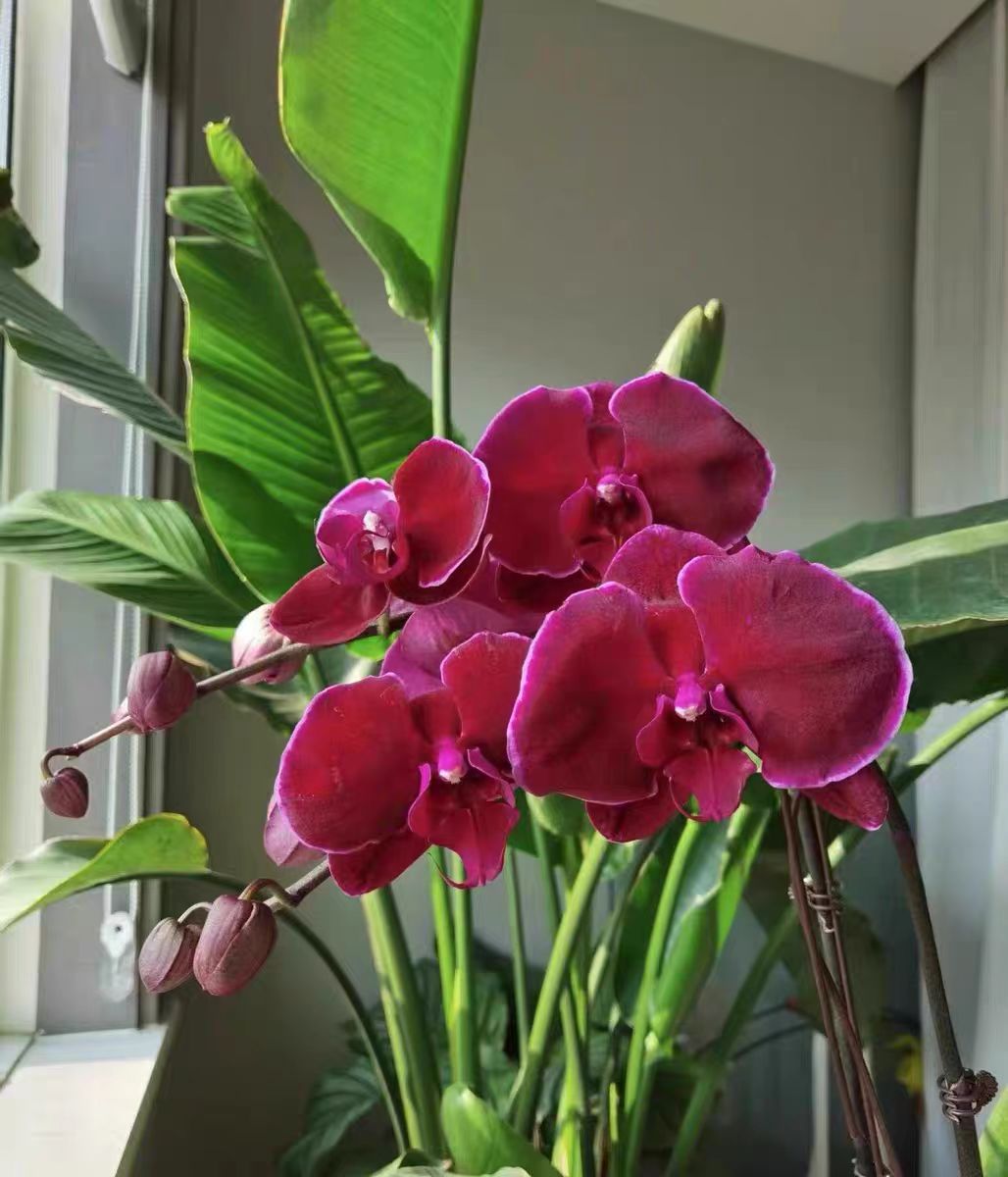
Can a Phalaenopsis orchid be planted right after its roots are trimmed?
When problems such as root rot and aging are found in the roots of a Phalaenopsis orchid, root trimming is a common rescue and maintenance measure. However,
-

Can a Phalaenopsis orchid that has just had its roots trimmed be planted and exposed to the sun?
When the roots of a Phalaenopsis orchid are found to be rotting, aging or otherwise problematic, trimming the roots is a common rescue and care measure. However, after trimming the roots of a Phalaenopsis orchid, can the freshly trimmed orchid still be planted? Can it be exposed to the sun after root trimming? These questions directly affect the orchid's subsequent survival and growth, and require us to look deeper
-

After trimming the roots of a Phalaenopsis orchid, should you dry the roots first or water immediately?
In the daily care of Phalaenopsis orchids, pruning the roots is a common management task. Whether due to root aging, rot, or repotting and transplanting, the roots need appropriate trimming. However, after pruning the roots of a Phalaenopsis orchid, is it necessary to dry the roots, and can you water immediately? Understanding these care details
条件筛选