-

Which pesticides are prohibited for flowers and fruit trees? What growers need to know
Pesticides prohibited for flowers and fruit trees
-
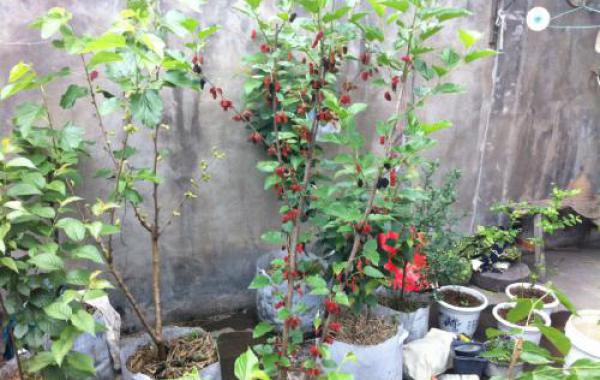
Which pesticides cannot be used on flowering plants and fruit trees?
Which pesticides cannot be used on flowering plants and fruit trees?
-
Acacia industry becomes the top choice without cutting old-growth forests; searching the whole island for superior mother trees to grow strong seedlings
Without cutting old-growth forests, developing the acacia industry is the best first choice! Searching the island's mountains and forests for superior mother trees to cultivate elite acacia forces
-
Acacia seeds grow into big trees: researchers cultivate superior trees, showcasing the hope of Taiwan's forestry in adversity
Big trees start from a single seed: researchers cultivate superior acacia offspring, carrying out the hope of Taiwan's forestry in adversity
-
Mida Mushroom Food uses edible mushroom bags three times to achieve recycling and pioneer a new model of sustainable mushroom cultivation without cutting down trees
Super recycling: one mushroom bag planted three times! Mida Mushroom Food pioneers a new model of sustainable mushroom cultivation, growing mushrooms without cutting down trees
-
What ecological conditions are needed for the growth and development of walnut trees?
Different walnut species and cultivars vary greatly in their ability to adapt to rainfall. In the distribution area of Yangbi walnut, the annual rainfall is 800-1,200 mm, while introducing early-bearing walnuts to areas with rainfall above 6,00 mm makes them prone to disease. Walnut tolerates dry air, but is relatively sensitive to soil moisture conditions; soil that is too dry or too wet is unfavorable for the growth and fruiting of walnut.
-
Growth and fruiting habits of walnut trees related to pruning
1. Bud heterogeneity and branching vigor. Bud heterogeneity refers to the differences in growth vigor and other characteristics among buds at different positions on the same shoot, caused by different environmental conditions during their development and differences in the internal nutritional status of the shoot. Different parts of the shoot
-
What types can the buds of walnut trees be divided into?
Walnut is a monoecious plant with separate male and female flowers, and its buds can be divided into leaf buds, female flower buds, male flower buds and dormant buds. Female flower bud (mixed bud): mostly borne on the first 1-3 nodes at the tip of the branch. Its morphological characteristics are: the bud body is the largest, spherical, with scales tightly wrapped, and the bud tip is bluntly rounded. After the female flower bud
-
Detailed Explanation of Key Techniques for Summer Pruning of Walnut Trees
Summer pruning generally refers to pruning during the growing season, and its main contents include bud removal, pinching, branch thinning, girdling, branch bending, and summer shoot tipping. Its role is to regulate the contradiction between growth and fruiting, improve tree light conditions, cultivate robust fruiting branch groups, and increase the fruit-setting rate. Summer prun
-
What are the main pruning methods for walnut trees?
1. Heading back. Heading back refers to cutting off part of a one-year-old branch. On young walnut trees, the method of heading back vigorous vegetative branches is commonly used to increase the number of branches. The targets for heading back are vigorously growing vegetative branches sprouting from first-order and second-order lateral branches; the purpose is to promote new shoot growth and increase branching.
条件筛选