Which pesticides cannot be used on flowering plants and fruit trees?
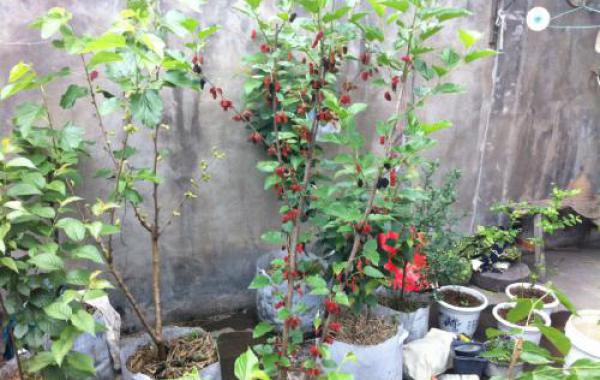
Which pesticides cannot be used on flowering plants and fruit trees.
When spraying pesticides on flowering plants and fruit trees, be careful: some pesticides cannot be used.
Because flower species differ and their growth and development stages vary, some common flowers often suffer phytotoxicity when pesticides are used, with mild cases showing leaf drop and severe cases leading to plant death, causing great losses. Therefore, for ornamental plants that are relatively sensitive to pesticides, correctly choosing pesticides is especially important. Below is an introduction to the phytotoxicity caused by common pesticides.
Lime sulfur mixture: It causes phytotoxicity to plants such as peach, plum, Japanese apricot and pear. If it is used on these plants, it is best to spray during the leaf-drop season, and it must never be used during the growing season or the flowering and fruiting period.
Fenitrothion: Using fenitrothion to kill insects in high-temperature seasons causes severe phytotoxicity to pomegranate and does certain damage to cruciferous flowers.
Bordeaux mixture: Peach and plum are sensitive during the growing season; when below the dilution multiple, pear, apricot and persimmon are prone to phytotoxicity, and when above the dilution multiple, grape is prone to phytotoxicity.
Dimethoate and omethoate: Kiwifruit is especially sensitive and must not be used; they can cause obvious phytotoxicity to Rosaceae ornamental plants such as Japanese apricot flower, cherry blossom, Prunus triloba and Chaenomeles speciosa, as well as apricot and pear; dimethoate is also very harmful to shrimp plant and coral plant. If omethoate is sprayed between June and October, it often causes petals to wither and curl, losing their ornamental value.
Dichlorvos: Dichlorvos causes obvious phytotoxicity to ornamental plants such as Japanese apricot flower and cherry blossom, as well as peach, apricot, Twentieth Century pear and Jingbai pear. Under normal circumstances, other types of insecticides should be used instead. Dichlorvos also causes varying degrees of phytotoxicity to rhododendron, Salix matsudana 'Umbraculifera', kiwifruit, Chinese scholartree and walnut. When using pesticides to control pests on these plants, great caution should be taken to avoid unnecessary losses.
Trichlorfon: It causes phytotoxicity to cherry blossom, Japanese apricot flower and others.
1. Dimethoate and omethoate: Kiwifruit is especially sensitive and must not be used; they can cause obvious phytotoxicity to Rosaceae ornamental plants such as Japanese apricot flower, cherry blossom, Prunus triloba and Chaenomeles speciosa, as well as apricot and pear; dimethoate is also very harmful to shrimp plant and coral plant. If omethoate is sprayed between June and October, it often causes petals to wither and curl, losing their ornamental value.
2. Dichlorvos: Dichlorvos causes obvious phytotoxicity to ornamental plants such as Japanese apricot flower and cherry blossom, as well as peach, apricot, Twentieth Century pear and Jingbai pear. Under normal circumstances, other types of insecticides should be used instead. Dichlorvos also causes varying degrees of phytotoxicity to rhododendron, Salix matsudana 'Umbraculifera', kiwifruit, Chinese scholartree and walnut. When using pesticides to control pests on these plants, great caution should be taken to avoid unnecessary losses.
3. Trichlorfon: It causes phytotoxicity to cherry blossom, Japanese apricot flower and others. Lime sulfur mixture: It causes phytotoxicity to plants such as peach, plum, Japanese apricot and pear. If it is used on these plants, it is best to spray during the leaf-drop season, and it must never be used during the growing season or the flowering and fruiting period.
4. Fenitrothion: Using fenitrothion to kill insects in high-temperature seasons causes severe phytotoxicity to pomegranate and inevitably harms cruciferous flowers. Bordeaux mixture: Peach and plum are sensitive during the growing season; when below the dilution multiple, pear, apricot and persimmon are prone to phytotoxicity, and when above the dilution multiple, grape is prone to phytotoxicity.