-

Can a Phalaenopsis orchid grow new roots if it is suspended to induce rooting and placed upside down in water?
In recent years, the Phalaenopsis orchid has been the "white moonlight" in everyone's hearts, and many people buy it as soon as they see a flower stall! But quite a few people, after enjoying the flowers at home, find that the roots begin to show signs of rotting away completely. So these roots that look perfectly fine, are they really beyond saving? In fact, Phalaenopsis orchids with this kind of root rot can absolutely be rescued
-
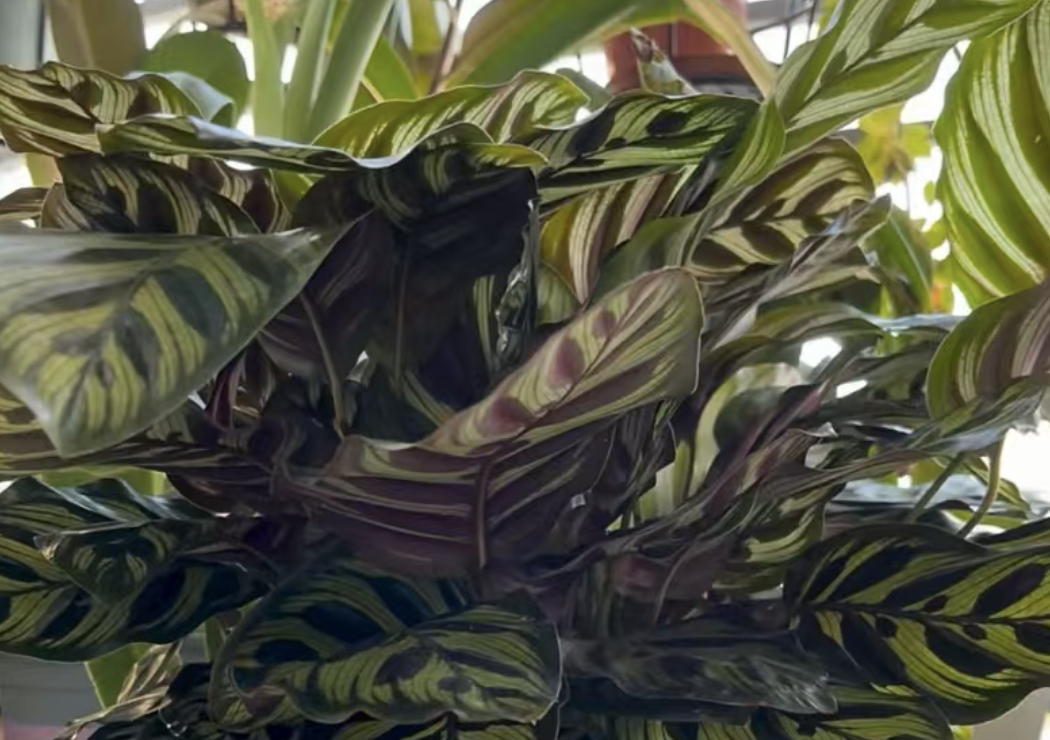
Which plants can humidify the air? What plants are good to place in an air-conditioned room in summer?
As the dog days of summer arrive, the heat becomes unbearable, and people often find themselves staying indoors in air-conditioned rooms. Therefore, having
-

Not enough indoor light and using grow lights to replace natural light, which plants are hard to keep alive in low light?
Not enough light at home, wanting to use lamps to supplement light for plants, does it actually work? Plenty of gardening beginners have probably mulled over this question. Actually, the answer is pretty clear: absolutely yes, but you have to use the right method. When it comes to supplemental lighting, it is not just grabbing any desk lamp and shining it on the plant; what plants need is light of specific wavelengths, mainly blue light and red light—
-

During peak chikungunya season, mosquito prevention brooks no delay! These 4 "natural mosquito-repelling guardians" - just place the right green plants at home and mosquitoes will retreat! Retreat! Retreat!
As soon as summer arrives, mosquitoes seem to shift into double speed, buzzing around people, not only leaving itchy bites all over but, more frustratingly, they may also carry various viruses, such as chikungunya fever, which has been frequently mentioned lately. The disease sounds tongue-twisting, but when it strikes it is truly brutal - persistent high fever, joint pain as if your body is being taken apart, just thinking
-

What season is best for buying Phalaenopsis orchids so they are easiest to keep alive? There are also rules about where to place them at home
Friends who grow Phalaenopsis orchids surely all hope that the flowers they buy will live well and bloom for a long time. But many people find that just a few days after buying them, the flowers wilt, the leaves turn yellow, or the plant even dies outright... In fact, choosing the right season to buy + placing them in the right spot can directly double the survival rate of Phalaenopsis orchids! So "when should you buy Phala
-

Do Phalaenopsis leaves need to be fixed in place, and will uneven leaves affect blooming?
In the early morning, while watering your Phalaenopsis, you stare at a leaf leaning to one side and think, "Why are these leaves so uneven? Should I tie them up with string? Will this affect blooming?" Phalaenopsis is an epiphytic plant, naturally growing on tree trunks or rocks, and its leaves stretch out toward the light (this is called "phototropism"), so a slight tilt is actually its normal response to "looking for the sun."
-

How to tell when orchid bark has gone bad and how to replace it?
Fellow Phalaenopsis growers have surely run into the problem of spoiled bark, right? In fact, bark is the Phalaenopsis's "staple food," and once it spoils it directly affects the health of the orchid. Today let's talk about how to tell whether the bark has gone bad and how to replace it. How can you tell the bark has spoiled? The most direct way is to smell it. Fresh bark
-
Is a Phalaenopsis better suited to being kept indoors or placed outdoors?
Do your Phalaenopsis orchids always end up dying? You may have put them in the wrong place! As a tropical epiphytic orchid, it really is better off indoors - outdoors it is much easier to run into problems. Advantages of indoor care: 1. Light. The thing a Phalaenopsis fears most is direct sunlight! Leave it in the strong outdoor sun for half a day and the leaves will develop scorched spots and turn yellow, or in serious cases simply wilt away
-
The right way to get your Phalaenopsis orchid through summer: where is the best place to put it in summer
In summer, Phalaenopsis orchids either get yellow leaves with scorched edges or develop root rot and stall in their growth. Actually, it is all because you have not found the right spot. Today I will walk you through, step by step, how to find the right spot for your Phalaenopsis orchid in summer. The golden spot - a north-facing balcony or windowsill: in summer this is practically a natural air-conditioned room tailor-made for Phalaenopsis orchids! There is no harsh direct sun at noon, only gentle
-
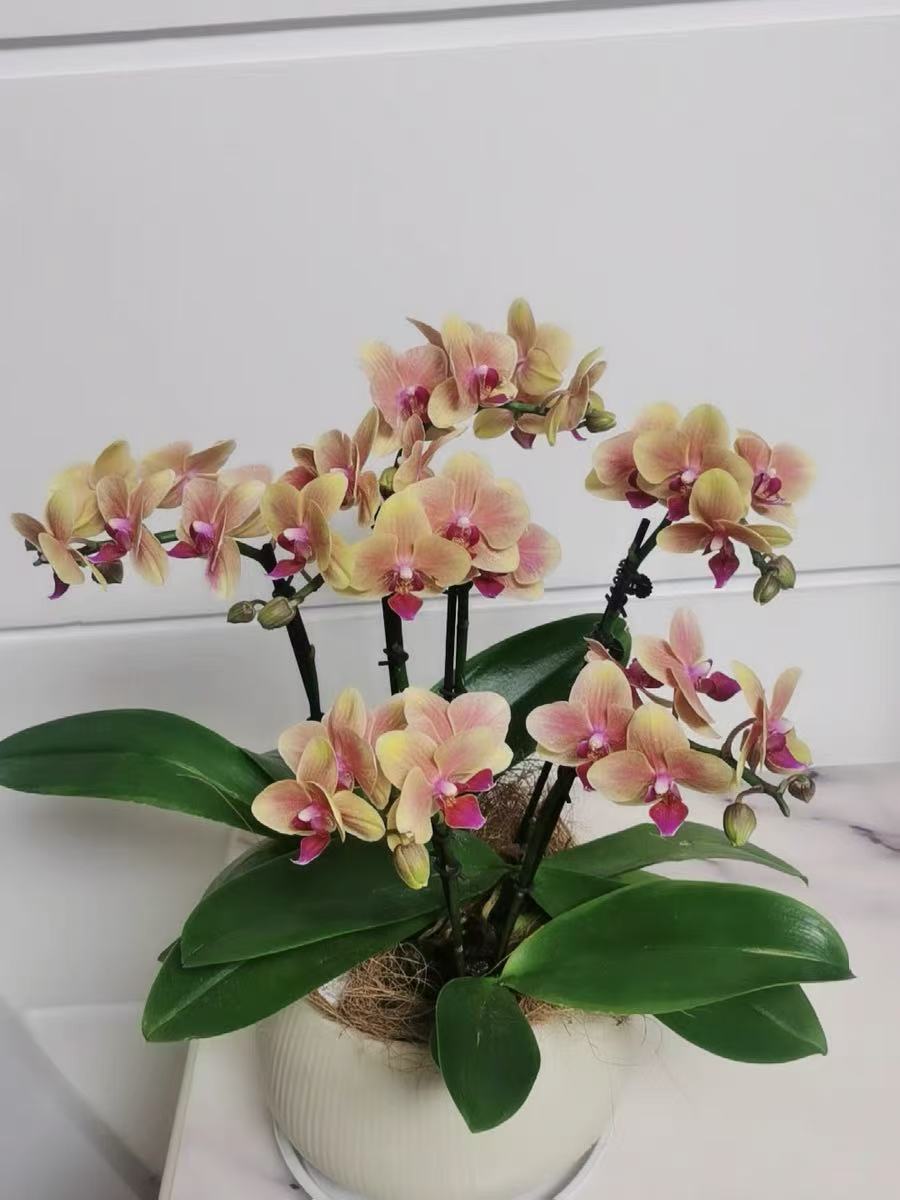
Which plants are not suitable to be placed outdoors in spring?
In spring, everything comes back to life and the temperature gradually warms up. Many people want to move the plants in their homes outdoors to let them enjoy
条件筛选