-
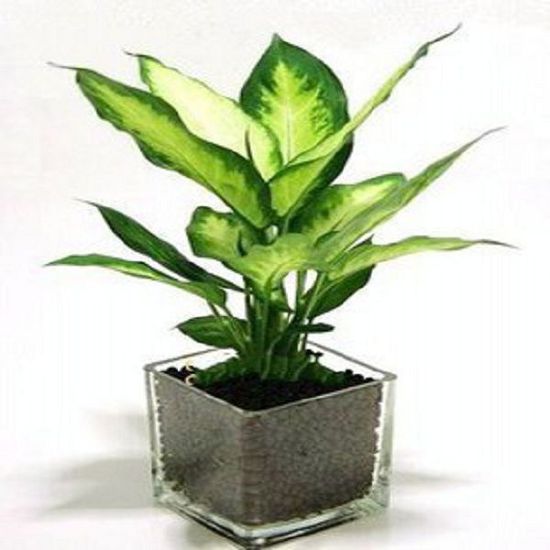
Recommendations for three types of flowering plants suitable for indoor cultivation
The three types of flowering plants best suited for indoor cultivation
-
Large-scale meat duck farming offers high profits, but three types of poisoning must be guarded against
I. Aflatoxin poisoning 1. Causes of the disease This condition is a toxic disease caused by toxins produced by Aspergillus flavus. Aflatoxins are produced because...
-

These three types of people in the restaurant industry are actually doing very well
These three types of restaurant people are actually doing very well
-

In the next ten years, rural wealth will depend on these three types of farmers
These three types of people may be the farmers who lead rural areas to prosperity in the next ten years!
-
Three Major Types of Phytotoxicity to Guard Against in Cotton Cultivation
Diagnosis and identification of phytotoxicity from insecticides and fungicides. The severity of phytotoxicity from insecticides and fungicides depends not only on the cotton variety, growth stage and morphological characteristics, but also on the type of pesticide, as the symptoms of damage differ for each. For example, dichlorvos has an extremely strong vaporizing effect; spraying twice with a 1000-fold solution can scorch cotton leaves dry. After phytotoxicity from lime sulfur mixture, the leaves and boll husks of the cotton plant develop scorched patches, and the leaves soon dry up and drop off. Lime sulfur mixture is a strongly alkaline pesticide; Bordeaux mixture can only be used 7 to 10 days after its application. If lime sulfur mixture is sprayed within 1 to 2 months after spraying Bordeaux mixture, the cotton leaves will develop black copper sulfide deposits, causing phytotoxicity. In short, when using insecticides and fungicides on cotton, a certain interval should be maintained between successive applications of several pesticides (especially inorganic pesticides), to prevent phytotoxicity caused by reactions between pesticides with different modes of action. In addition, the severity of cotton phytotoxicity is also affected by the environment; for example, when pesticides are sprayed under high temperature, the large amount of water evaporation caused by the heat increases the pesticide concentration, causing spots, yellowing and curling of cotton leaves, and even scorching and death.
-
Control Methods and Rescue Measures for the Three Major Types of Pesticide Damage in Cotton
1. Strict operation and effective prevention. When using the various types of pesticides mentioned above on cotton, the operating procedures must be strictly followed and the pesticides used rationally (including the type, concentration, method and timing of application, etc.), so as to give full play to the pesticide's efficacy while reducing costs and preventing pesticide damage. 2. Timely "rescue" to eliminate the "danger". After pesticide damage occurs, a large amount of water can be sprayed on the leaves to wash it off; in the soil, irrigation, drainage to wash out the pesticide, or neutralization and detoxification with safeners can be used. If Bordeaux mixture is mistakenly used, since copper ions cause the pesticide damage, 0.5%-1% lime milk can be sprayed; spray equipment that has been used for
-
Key technical points for preventing five hazards and protecting three types of seedlings in cotton seedling beds
Common problems in cotton nutrient bowl seedling beds are mainly manifested as drought, waterlogging, disease, fertilizer, pesticide and frozen seedlings, burned seedlings, and spindly seedlings. 1. Prevent the "five hazards" 1. The water content in the bowls should be moderate. The nutrient bowl seedling bed should be selected in a place convenient for both drainage and irrigation. The water content in the bowls is best when the soil can be pinched into a ball by hand and falls apart upon hitting the ground; 2. After sowing cotton and covering with soil. Water thoroughly in one application, and water until it slowly infiltrates downward; 3. After covering with film, ensure sufficient soil moisture. Do not uncover the film at will, and do not uncover the film until the seedlings emerge completely; 4. Around the seedling bed, drain surface water and filter waterlogged water
-
Detailed Explanation of Harvesting and Processing Techniques for Three Types of Edible Fungi
1. Black wood ear (Auricularia heimuer): Under normal management for about 30 days, the ear pieces have fully expanded and reached physiological maturity, which means they are ready to harvest. When harvesting, all the wood ear on a single fungus bag should be picked at once, the base should be cleaned thoroughly, and the pieces should be spread on a raised sand net or straw curtain to dry in the sun. If the temperature is still around 20°C after the first harvest, manage it according to the first management method, and a second harvest can be expected. 2. Lingzhi (Ganoderma lucidum): The fruiting body of lingzhi is initially white when growing, then turns yellow, and after 2 to 3 months becomes purple, brown, or red. When the
-

In 2019, the state will focus on rectifying these major industries; three types of people will lose their jobs, so prepare early.
In recent years, the state has stepped up environmental protection efforts. Based on an analysis of current policies, enforcement will be further strengthened in 2019. These three types of rural enterprises may be completely shut down. Farmers engaged in these three industries may face...
-

There are taboos in growing bonsai: these three types of people had best not take it up
Bonsai, works of art that express natural landscapes. If you approach it and come into contact with it, you will certainly fall in love with it without being able to help yourself. However, not everyone is suited to growing these living works of art. People like the following can never truly enter...
条件筛选