-

Three Major Types of Phytotoxicity to Guard Against in Cotton Cultivation
Diagnosis and identification of phytotoxicity from insecticides and fungicides. The severity of phytotoxicity from insecticides and fungicides depends not only on the cotton variety, growth stage and morphological characteristics, but also on the type of pesticide, as the symptoms of damage differ for each. For example, dichlorvos has an extremely strong vaporizing effect; spraying twice with a 1000-fold solution can scorch cotton leaves dry. After phytotoxicity from lime sulfur mixture, the leaves and boll husks of the cotton plant develop scorched patches, and the leaves soon dry up and drop off. Lime sulfur mixture is a strongly alkaline pesticide; Bordeaux mixture can only be used 7 to 10 days after its application. If lime sulfur mixture is sprayed within 1 to 2 months after spraying Bordeaux mixture, the cotton leaves will develop black copper sulfide deposits, causing phytotoxicity. In short, when using insecticides and fungicides on cotton, a certain interval should be maintained between successive applications of several pesticides (especially inorganic pesticides), to prevent phytotoxicity caused by reactions between pesticides with different modes of action. In addition, the severity of cotton phytotoxicity is also affected by the environment; for example, when pesticides are sprayed under high temperature, the large amount of water evaporation caused by the heat increases the pesticide concentration, causing spots, yellowing and curling of cotton leaves, and even scorching and death.
-
In the next ten years, rural wealth will depend on these three types of farmers
These three types of people may be the farmers who lead rural areas to prosperity in the next ten years!
-

These three types of people in the restaurant industry are actually doing very well
These three types of restaurant people are actually doing very well
-
Large-scale meat duck farming offers high profits, but three types of poisoning must be guarded against
I. Aflatoxin poisoning 1. Causes of the disease This condition is a toxic disease caused by toxins produced by Aspergillus flavus. Aflatoxins are produced because...
-
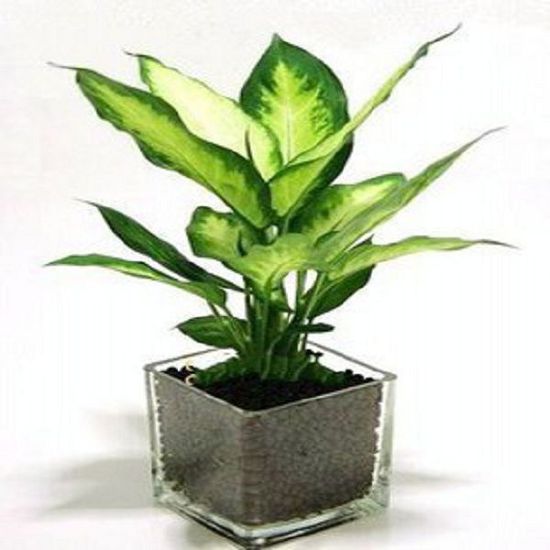
Recommendations for three types of flowering plants suitable for indoor cultivation
The three types of flowering plants best suited for indoor cultivation
-
What are the three types of flowers suitable for keeping indoors during pregnancy
Pregnancy precautions: the three types of flowers suitable for keeping indoors during pregnancy
-
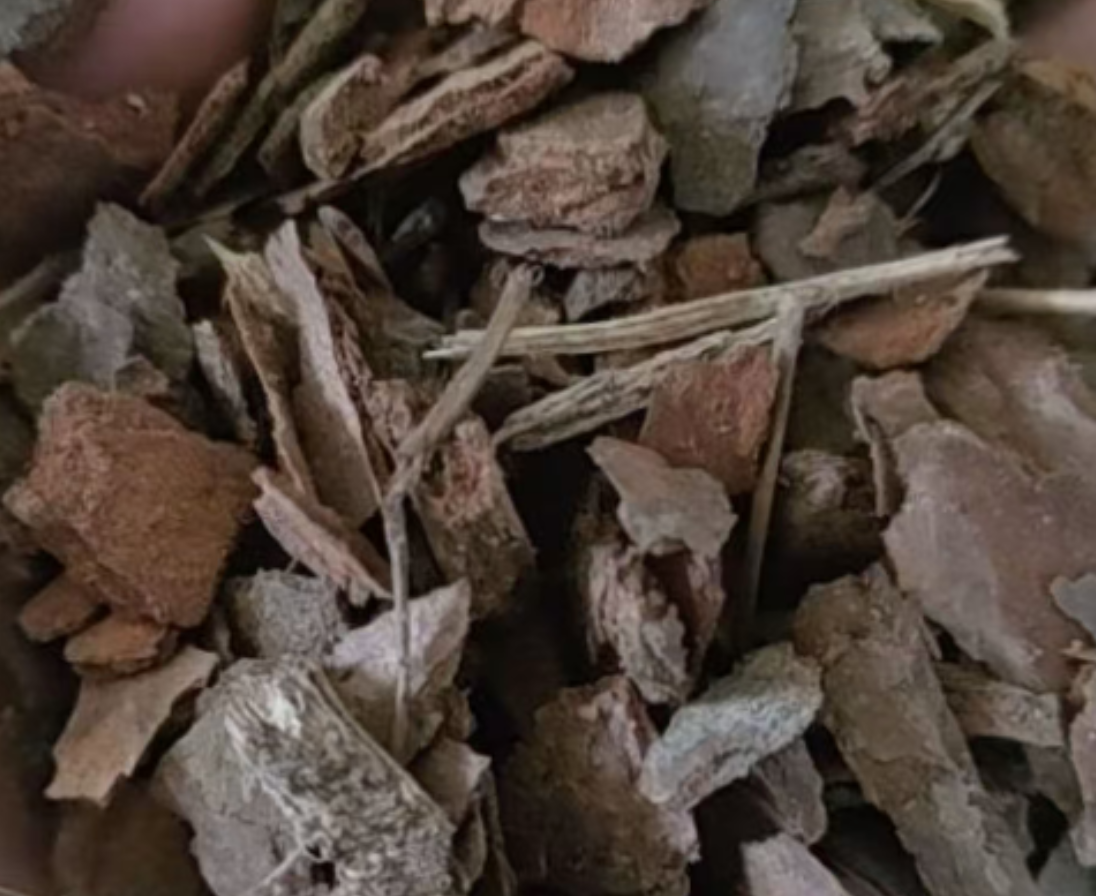
In the South, choose these three types of substrates for growing Phalaenopsis orchids to avoid pitfalls!
For orchid enthusiasts in the South, the biggest headache isn't watering or fertilizing, but choosing the right substrate. Given that it often rains in the
条件筛选