-

Going away for the National Day long holiday - what do you do about your Phalaenopsis at home? Save this orchid care guide
For the 7-day National Day holiday, who doesn't want to grab a suitcase and just go? But the moment you think of that Phalaenopsis on the balcony that just put out a flower spike, it suddenly feels like a "sweet burden" - this thing hates drying out and hates being waterlogged, and if you're away that long, you can't let it thirst into a "dried flower," and you can't water it so much that the roots rot, right? So here are a few tried-and-tested
-
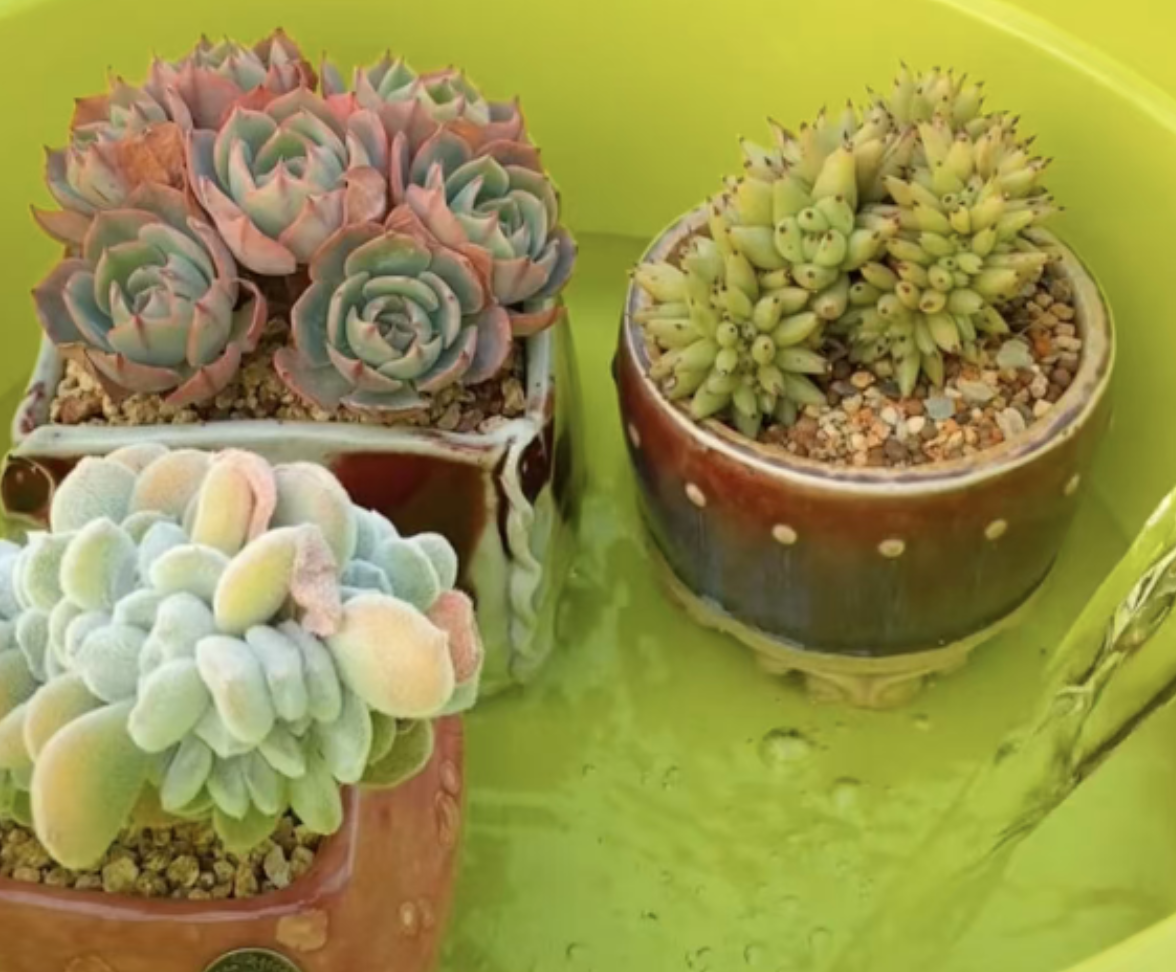
What to do if your plants dry out after being left alone for 7 days during the National Day holiday? These 3 "automatic watering methods.
Want to go out for the National Day holiday but worried about your plants drying out while you're away? Especially after the summer heat, some plants still
-

What is the golden ratio for Phalaenopsis potting mix? A detailed explanation of scientific mixing methods
Anyone who grows flowers and plants wants them to bloom abundantly, as this brings a sense of achievement to the grower and also brings the beautiful symbolism of flowers into the home. In recent years, the most purchased Phalaenopsis is the flower everyone most wants to see covered in blooms. How do you scientifically mix the "potting mix" in daily practice? For care, you want
-

Can Phalaenopsis Roots Photosynthesize? A Detailed Explanation of Their Functions and Roles
Phalaenopsis (moth orchid) is famous for its flowers. People tend to focus their attention on its gorgeous blooms, yet rarely notice its unique root system. So do Phalaenopsis roots photosynthesize? And what functions do they have? Phalaenopsis is an epiphytic plant, and its roots are completely different from the roots of common plants that grow in soil - they are aerial roots.
-

How Does the Phalaenopsis Absorb Nutrients? A Detailed Explanation of Its Nutrient Sources
The Phalaenopsis, the "beauty icon" among orchids. The question of how Phalaenopsis absorbs nutrients and what it relies on to absorb them may not be familiar to everyone. Behind its beautiful blooms, an efficient nutrient absorption mechanism plays a key role. So where exactly does the Phalaenopsis absorb nutrients from? And what does it rely on to complete
-
What plants look good planted together with Phalaenopsis orchids? Mixed planting combination recommendations
Today I'm sharing a few stunning Phalaenopsis combinations to make your balcony more colorful. Phalaenopsis + air plants: Phalaenopsis is bright and delicate, while air plants have varied forms. Hang an air plant next to the Phalaenopsis, or place it at the edge of the pot, and it instantly adds an ethereal beauty. Moreover, the two have similar needs for light and humidity, so care is effortless
-
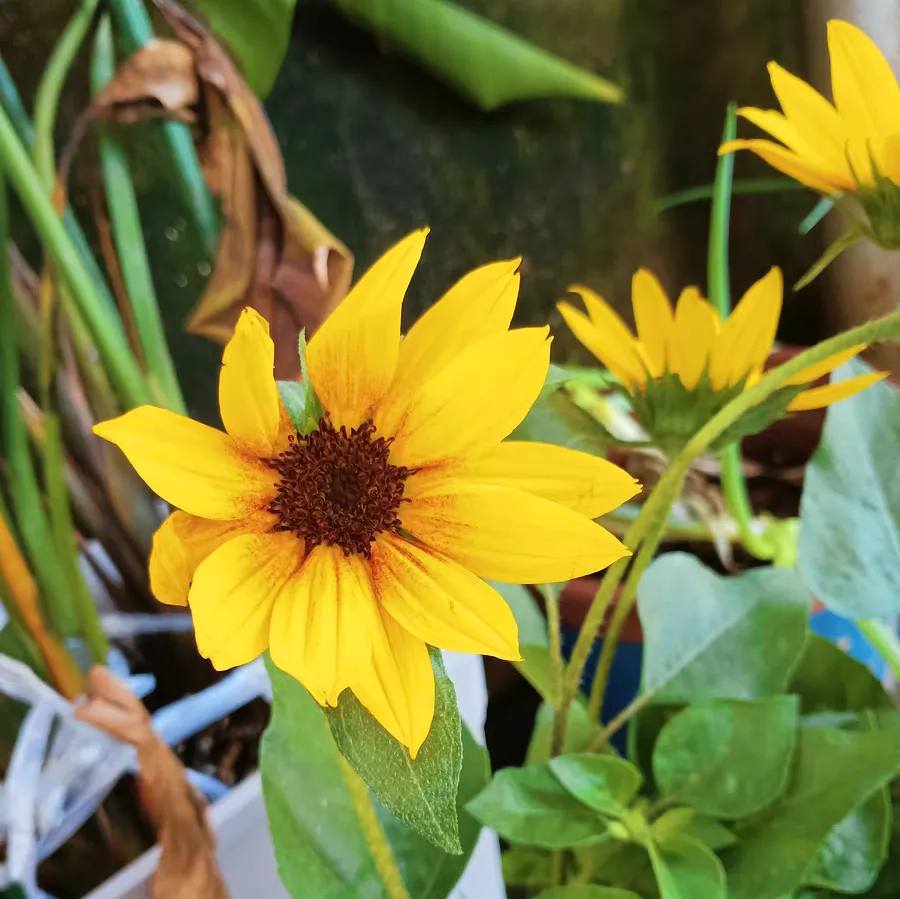
Recommendations for the Combination of Potted Plants
Once spring arrives, creating a small spring garden requires key skills in flower combination and matching. Today, I'd like to share several combinations with
-
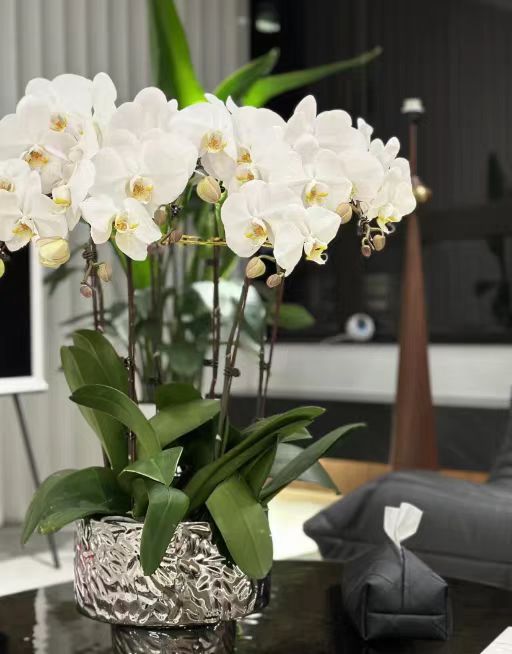
Does the Phalaenopsis necessarily need sunlight for illumination?
Does the Phalaenopsis necessarily need sunlight for illumination? When understanding the lighting requirements of Phalaenopsis, we often think of sunlight
-
Are Spiraea and Snow Willow the Same Plant? A Detailed Explanation of the Differences Between the Two
Spiraea and Snow Willow are two plants with their own distinctive characteristics. On closer observation, the two show clear differences in many respects. Next, let's look at the following aspects to help everyone easily tell them apart. In terms of plant classification, Snow Willow belongs to the genus Fontanesia in the family Oleaceae, and plants of this family and genus often share the unique characteristics of Oleaceae plants.
-
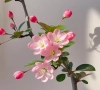
How to Tell the Difference Between Hall Crabapple and Cherry Blossom Trees? A Detailed Explanation of Their Differences
In spring, Hall crabapple and cherry blossoms are easy to confuse when they bloom. Below, we explain their differences from several aspects. In botanical classification, Hall crabapple belongs to the genus Malus in the rose family (Rosaceae) and is a plant native to China; cherry blossom belongs to the rose family (Rosaceae), broadly to the genus Prunus and narrowly to the genus Cerasus. Although both belong to the rose family, they are further distinguished
条件筛选