-

Key Technical Points of Soil Testing and Formula Fertilization for Rice
Based on the technical principles of soil testing and formula fertilization, and combined with the actual work of soil testing and formula fertilization in Pulandian City, 10 technical steps in the experimental process of soil testing and formula fertilization for rice were summarized. 1. Site selection: Select locally representative plots, and arrange experimental plots according to the areas of high-, medium-, and low-fertility farmland. The fertility status of the experimental site should be uniform and consistent, and the fertilization status of the previous crop should be as similar as possible. 2. Soil sampling and testing: Collect soil samples before plowing, using a "plum blossom shape" or "snake shape" to take 15-20 points, with a vertical depth of
-
Detailed Explanation of Key Technical Points for Soil Testing and Formulated Fertilization in Rice
I. Fertilization Principles 1. Soil testing and formulated fertilization for rice should follow the principles of determining yield target based on soil, determining fertilizer rate based on yield target, supplementing deficient nutrients, combining organic and inorganic fertilizers, and balanced application of nitrogen, phosphorus and potassium. First, soil testing is required. Soil testing is the prerequisite for soil testing and formulated fertilization; through analysis and determination of soil nutrients, the soil nutrient status and fertilizer supply capacity can be accurately grasped, providing a scientific basis for formulated fertilization. Second, a good formula must be prepared. The formula is the key to fertilization. On the basis of soil testing, according to soil characteristics, cultivation practices, crop nutrient requirements, production level and climate conditions,
-
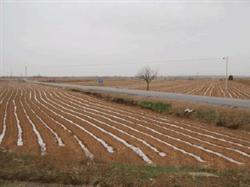
A Complete Analysis of the Key Technical Points for Soil Testing and Formula Fertilization in Spring Corn
1. Choose suitable varieties. Select suitable and superior varieties according to local conditions; based on heat resources and actual production conditions, choose medium-to-late maturing varieties with a growth period of 120-130 days. Among spring corn varieties with relatively outstanding comprehensive traits, the main one is Nongda 108, etc. 2. Fine land preparation. Spring corn requires deep plowing, and the earlier the autumn plowing...
条件筛选