-

Detailed Explanation of Deer Tail Processing Techniques: Teaching You the Correct Method for Processing Deer Tail
Deer tail is composed of the caudal vertebrae, cavity, muscle fibers, adipose tissue, caudal gland, connective tissue membrane, and skin. Due to the different species of deer, the shape and size also vary. The red deer tail (Cervus elaphus) is thick and plump, relatively short and wide, with a bluntly rounded tip, and is a superior quality product among deer tails; while the sika deer (Cervus nippon) tail is relatively long and cone-shaped. The female deer tail is relatively short and thick, while the male deer tail is relatively long. Deer tail has been used as a precious tonic and strengthening agent since ancient times in China, and is also a very delicious delicacy. In traditional Chinese medicine, deer tail
-
Characteristics of the Fuding Damao Tea Cultivar and an Introduction to the Tea Types It Is Suitable For Processing
It belongs to the clonal propagation line. It is a national-level improved cultivar. It originates from Fuding County, Fujian Province. It has a cultivation history of one hundred years to date. It has been introduced and cultivated in Zhejiang, Jiangsu, Jiangxi, Hubei, Anhui and other provinces. It is one of the high-yield, high-quality cultivars suitable for growing in low-hill red soil. Morphological characteristics: small tree type, large-leaf, early-budding cultivar. The plant is relatively tall and upright, with plump buds and leaves covered in abundant silvery-white downy hairs, and strong tenderness retention. Spring buds sprout in mid-March, and the peak period of one bud and three leaves is in early April, with a hundred-bud weight of 104 grams. It can be processed into famous teas of different appearances. It is not only a premium raw material for processing "
-
Detailed Explanation of Longjing Tea Processing Techniques and Production Flow
Longjing tea is a tea category unique to Zhejiang. Besides the West Lake Longjing tea area, there is also a small amount of production in Chun'an and Lin'an. In 1960, production of a portion of high-grade Longjing tea was expanded in some areas of Fuyang, Xiaoshan, and Yuhang, with an annual output of 250 tons. In 1965, in order to maintain the reputation of the famous Longjing tea, production was limited to the West Lake Longjing tea area in Hangzhou, the tea produced in the Wenjiayan and Changhe areas of Xiaoshan was renamed "Xianghu Qiqiang," and tea produced in all other areas was no longer regarded as Longjing tea, with output correspondingly reduced. In 1981, in order to meet market demand for Longjing tea,
-
Detailed Explanation of Instant Tea Processing Methods and Production Techniques
Instant tea, also known as extracted tea, dates back to the 18th century when European tea merchants imported from China a dark strip-cake made from concentrated tea extract, each piece weighing about 6 to 7 grams, which dissolved into a drinkable tea. This may be the prototype of today's instant tea. Instant tea is a deep-processed tea product with a wide range of raw material sources, not limited by production area. It can be made directly from low- to mid-grade finished black or green tea, or from fresh leaves or semi-finished products. In instant tea production, the selection of raw materials is crucial, as it not only has an important impact on quality but
-
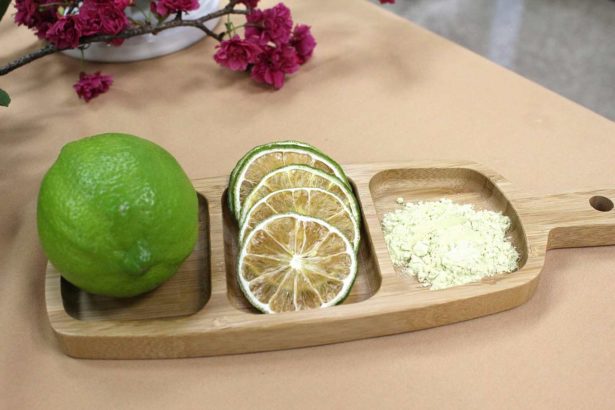
Tea Research and Extension Station develops fruit powder tea processing: fruit and vegetable ingredients concentrated eightfold, preserving aroma, taste and nutrition
Tea Research and Extension Station develops fruit powder tea processing: fruit and vegetable ingredients concentrated eightfold, preserving aroma, taste and nutrition
-
-
Ministry of Agriculture Deploys Efforts to Strengthen the Building of the Talent Team for the Agricultural Products Processing Industry
This website news In order to deeply implement the strategy of building a strong nation through talent and the innovation-driven development strategy, better leverage the important supporting role of talent in promoting the transformation and development of the agricultural products processing industry, and guide all localities in strengthening the building of the talent team, recently the General Office of the Ministry of Agriculture issued the "Opinions on Further
条件筛选