-

Does the Phalaenopsis orchid fear the sun, and what should be done if its leaves dry out after sun exposure?
In the morning, when you open the curtains and look at the Phalaenopsis orchid on the balcony, should you let it get some sun? Some people say, "Flowers need sun to bloom vibrantly," but you also worry that too much sun will make the leaves dry up like greens that have been drained of water, which is really puzzling. Phalaenopsis orchids aren't unable to get sun; they fear that kind of "harsh sun." Their native environment is under the shade of trees in tropical rainforests, and they simply can't grow in places that are exposed to strong sun all day. So if you're growing them at home, you need to find a "semi-shaded" spot for them - the slanted morning sun before 9 a.m. is fine for a while, but the strong light at noon and in the afternoon must absolutely be blocked. Healthy Phalaenopsis orchid leaves are glossy, thick, and neatly edged. If they get too much sun, the leaf tips first turn scorched yellow, and in severe cases, the entire leaf will wrinkle and turn gray, feeling dry and rough, as if it has been roasted.
-
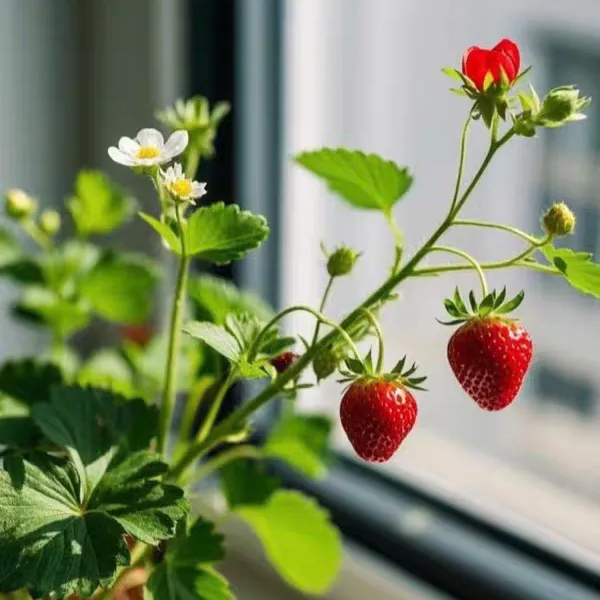
How to care for potted strawberries in winter to ensure they survive the winter safely?
To keep potted strawberries thriving and producing plenty of fruits in winter, just master these key points—even beginners can handle it easily.
-
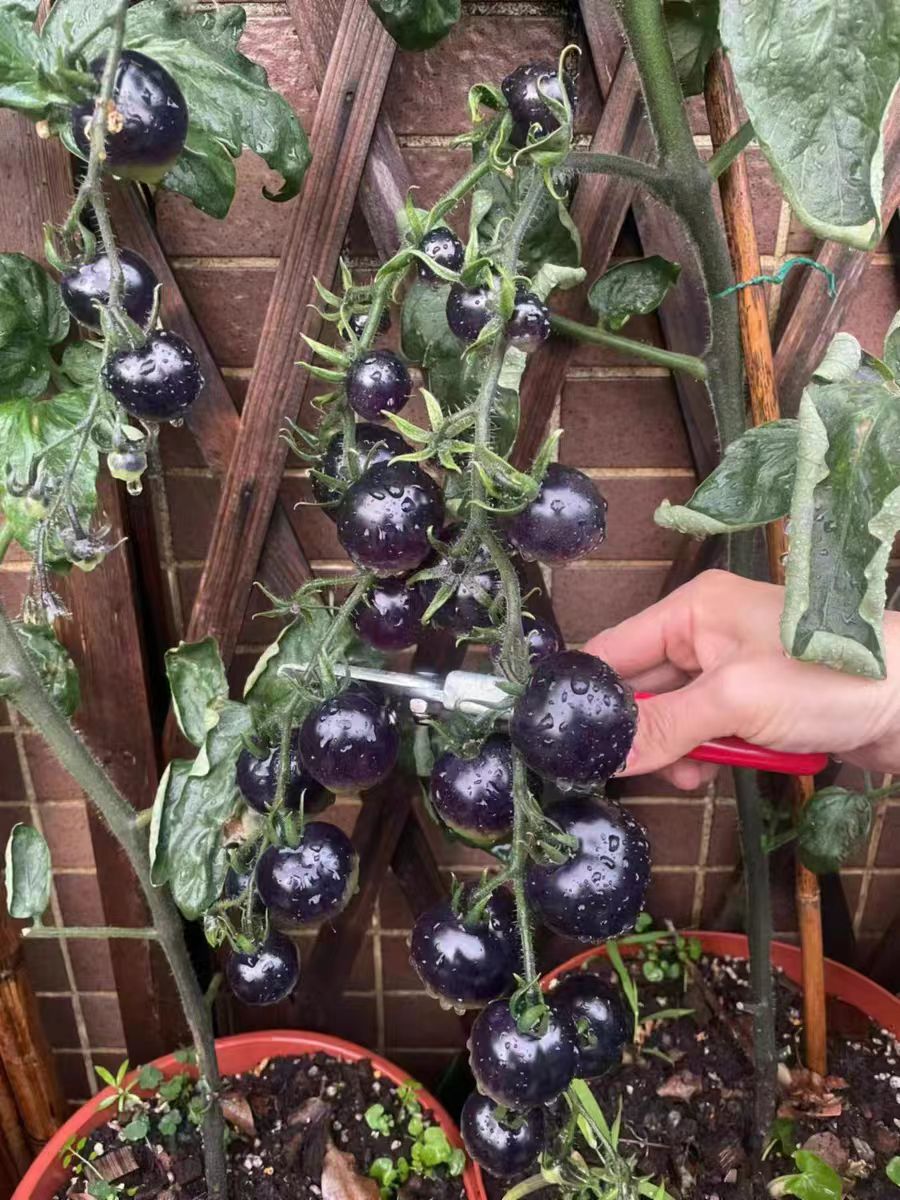
Does Tomato Fear High Temperature and Sun Exposure in Summer?
As a typical warm and light-loving crop, tomato has specific requirements for temperature and light during its growth and development. In suitable
-
Is Phalaenopsis Dream Girl a small-flowered variety, and how does it differ from Phalaenopsis Buddha's Treasure?
Today I'd like to recommend a red Phalaenopsis - Dream Girl. Phalaenopsis Dream Girl is a small-to-medium flowered variety, and when it blooms it is full of pure, rich Chinese red, a passionate and bold color. A single stem's flowers can stay ornamental for 3 - 4 months; they don't all bloom at once and then wilt, but open in succession. Whether decorating a home
-
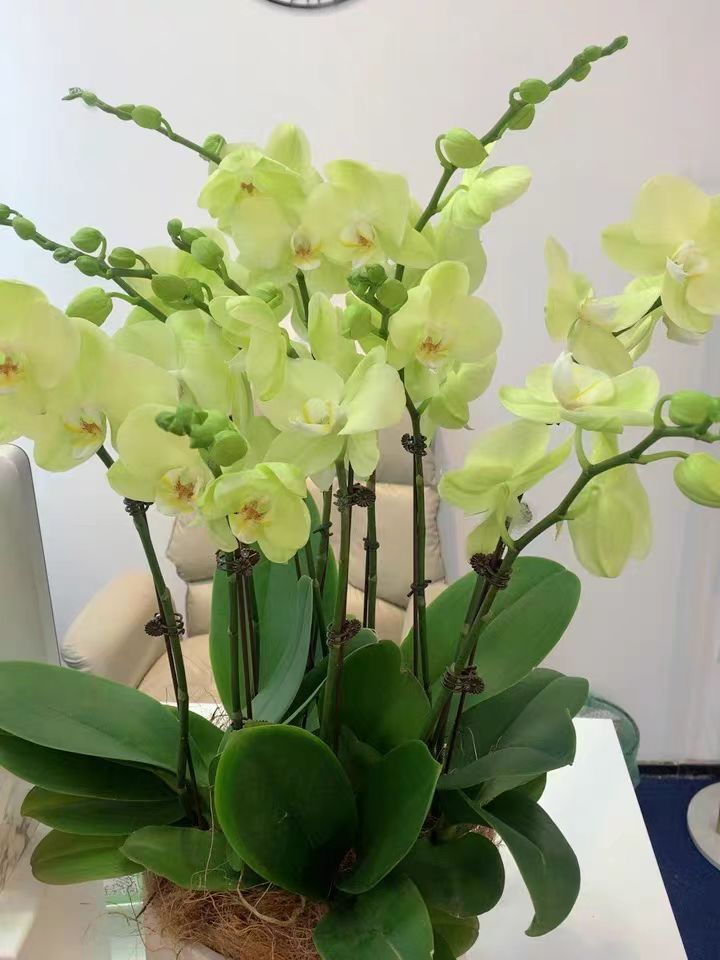
What are the manifestations of excessive light exposure in Phalaenopsis?
Light is crucial for the growth of Phalaenopsis. Moderate light is the key to its healthy growth and brilliant blooming, but excessive light can cause a lot of
-
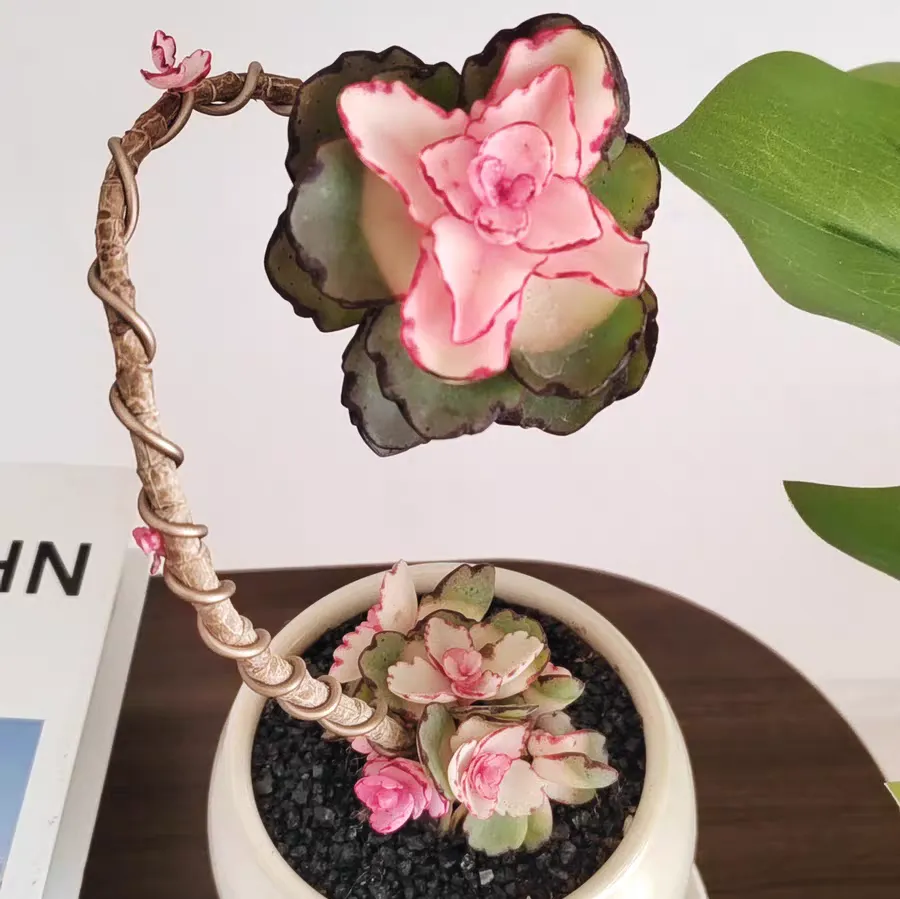
What are the remedial measures when a plant is overwatered?
It's very common to accidentally overwater plants when taking care of them! Don't worry. When you've watered a plant too much, you can take the following
-

Sterilization Measures and Medication Methods During Phalaenopsis Care
The sterilization step is crucial during the care of Phalaenopsis orchids. Sterilization not only effectively prevents pests and diseases, but also provides a healthy growing environment for Phalaenopsis, ensuring it grows vigorously and blooms with gorgeous flowers. Phalaenopsis prefers a high-temperature, high-humidity, well-ventilated environment. Although such growing conditions favor its rapid growth,
-
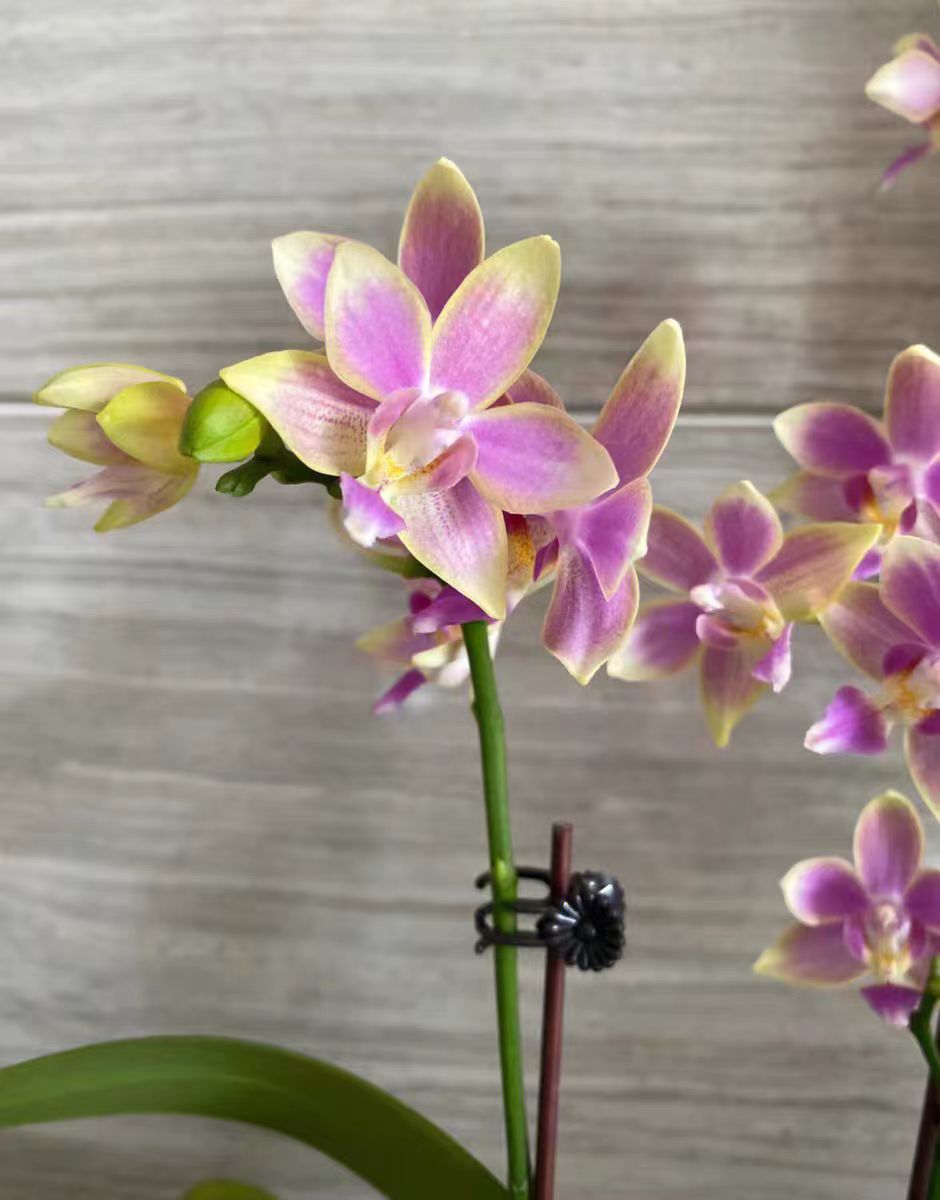
What are the sterilization measures during the cultivation of Phalaenopsis orchids?
During the cultivation process of Phalaenopsis orchids, the sterilization link is of vital importance. Sterilization can not only effectively prevent diseases
-

A treasure in Hangzhou Botanical Garden - how Styrax dasyanthus transforms into a "pearl fairy"
In a corner of Hangzhou Botanical Garden, a "treasure tree" is quietly hidden. When a particular season arrives, it becomes covered in "pearls," dreamlike and enchanting, drawing countless visitors to stop and marvel. It is Styrax dasyanthus. Speaking of the discovery of Styrax dasyanthus, we must go back to the late Qing Dynasty. At that time, Western botanists were keen to venture deep into China's
-

Dianthus chinensis is a little-known treasure plant deep in the mountains and forests
In the secluded recesses of vast mountain forests grows a unique plant - Dianthus chinensis, which, because of the shape and color of its fruit, is vividly called the "black pearl hidden deep in the mountains and forests." The root system of Dianthus chinensis is clustered, made up of many long spindle-shaped roots, and its cross-section is a warm yellow, with a somewhat fleshy texture
条件筛选