-

Control Methods for Major Diseases of Tea Plant Young Shoots and Stems
To effectively control tea plant pests and diseases, reduce pesticide residues in tea, and improve tea quality, the major diseases of tea plants and their control are described below. I. Damage Symptoms 1. Tea bud blight: After the tea plant is infected, the growth of buds and shoots is obviously inhibited, affecting the yield and quality of spring tea. It mainly damages the first 1 to 3 leaves of the spring tea flush, first producing pale yellow or yellow-brown lesions at the leaf tip or leaf margin, which after expansion become irregular in shape, with the boundary between diseased and healthy tissue distinct or indistinct; the bud tip is damaged and becomes dark brown and scorched, shriveled and unable to extend; later
-
Detailed Explanation of New Key Techniques for Pruning the Stems and Vines of Japanese Honeysuckle
Pruning Japanese honeysuckle is an effective technical measure for regulating the growth of stems and vines, promoting flower bud differentiation, extending the plant's lifespan, and maintaining stable high yields. Pruned Japanese honeysuckle generally increases yield by 35-45%, with the highest reaching more than double. For Japanese honeysuckle plants entering the aging stage, pruning measures can extend the full-bloom period by 5-6 years. When Japanese honeysuckle enters the aging stage, its characteristics are sparse and pale leaves, many dead branches and weak flowers, and a shrinking canopy. At this stage, heavy pruning is mainly used for renewal and rejuvenation, to extend the plant's lifespan and maintain stable yields. Pruning should be strictly
-
Method for Processing Shiitake Mushroom Stems into Shiitake Floss
1. Raw material formula: 100 kg shiitake mushroom stems, 4-6 kg high-quality soy sauce, 3-4 kg white sugar, 2-3 kg peanut oil, 5 kg scallions, 0.2 kg monosodium glutamate, 4 kg yellow rice wine, 0.6 kg refined salt, appropriate amounts of ginger, fennel, food coloring, and five-spice powder. 2. Raw material preparation: Select shiitake mushroom stems free of sawdust, insect damage, and mold, cut into 1 cm pieces, wash clean with water, and soak for 1-2 days to allow full water absorption and softening. 3. Pre-boiling: Place the soaked mushroom stems into a pot and heat to a boil, then simmer over low heat
-
How to Make Shiitake Mushroom Floss from Shiitake Stems? A Detailed Guide to the Processing Method
In artificially cultivated shiitake mushrooms, the stems account for about 30% of the fruiting body weight. Eating them directly is not only tough and hard to chew, but also not conducive to digestion and absorption. However, when processed into floss, they not only have a rich shiitake flavor but also combine the texture and mouthfeel of meat floss. They can be eaten alone, used as a side dish, or used as a filling for flavored foods such as sausages, pies and steamed buns. Because shiitake mushroom floss is rich in vitamin B2, vitamin D and the dietary fiber needed by the human body, it is a fairly ideal health food and has a certain effect in preventing rickets in children. Shiitake mushrooms
-
Shiitake mushroom stems processed into shiitake mushroom floss see their value multiply
1. Raw material formula: 100 kg shiitake mushroom stems, 4-6 kg high-quality soy sauce, 3-4 kg white sugar, 2-3 kg peanut oil, 5 kg scallions, 0.2 kg monosodium glutamate, 4 kg yellow rice wine, 0.6 kg refined salt, appropriate amounts each of ginger, fennel, food coloring, and five-spice powder. 2. Raw material processing: Choose shiitake mushroom stems free of sawdust, insect damage, and mildew, cut them into 1 cm pieces, wash them clean with water, and soak them for 1-2 days so they fully absorb water and soften. 3. Precooking: Put the soaked mushroom stems into a pot and heat to a boil, then
-
After spring tea is picked, the tea plant branches and stems need even more protection
Whether or not tea plants are managed after the spring tea harvest makes a big difference, because after the spring tea harvest the plant body has already consumed a large amount of nutrients. If management cannot keep up at this time, it will not only affect the yield and quality of summer and autumn tea, but also affect the yield and quality of next year's spring tea. Based on our farm's practical experience, the following key points should be carried out after the spring tea harvest: 1. Reasonable topdressing. According to measurements, producing every 50 kg of dry tea requires absorbing about 2.5-3 kg of nitrogen, 0.9-1.2 kg of phosphorus, and 1.1-1.5 kg of potassium from the soil. Between the tea plants, 30 cm
-
Codonopsis stems and leaves are a high-quality feed with high nutritional value.
Codonopsis is a valuable traditional Chinese medicinal herb, with its dried roots used as medicine; it has the effects of tonifying qi and nourishing blood, harmonizing the spleen and stomach, promoting fluid production, and clearing the lungs. Its stems and leaves were often discarded in the past. However, in recent years, research has found that Codonopsis stems and leaves contain volatile oils, various amino acids, macro- and trace elements, alkaloids, starch, and more. Farmers at the Sifangpa medicinal herb farm in our county dry and crush the stems and leaves, then add them to feed at a ratio of 20-30% to feed pigs, producing a clear weight-gain effect. When used to feed poultry, not only are the egg-laying rate, egg production, and average egg weight increased, but tests also show that the cholesterol content is somewhat reduced.
-
Causes and Control Methods of Hollow Stems with White Cores in Mushrooms
Symptoms: The mushroom stem tissue is not solid, with a white, loose pith appearing inside; after the fruiting body dries or is cooked, the pith shrinks or falls away, becoming hollow. Causes: This is mainly due to improper water management. If the air humidity in the mushroom house is low and the soil layer humidity is low, especially when the water content of the coarse soil layer is insufficient, the rapidly growing fruiting bodies cannot obtain sufficient water from the soil layer, and consequently the transport and supply of nutrients are also reduced. Combined with the continuous evaporation of water from the fruiting bodies themselves, this causes a lack of water in the middle of the stem and loose tissue, thereby
-
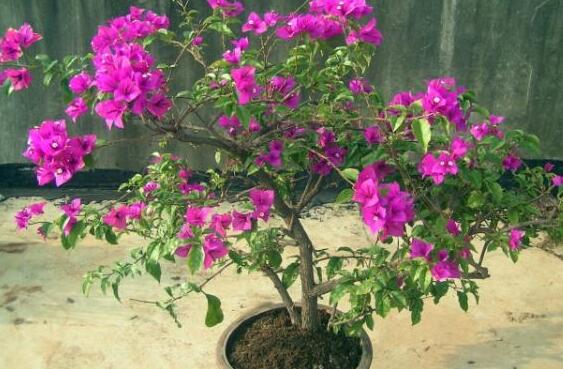
Is Bougainvillea Toxic? The Stems and Leaves Are Toxic but It Is Suitable for Indoor Growing
Bougainvillea, a very beautiful plant, not only has an attractive plant shape, but looks even better when it blooms, especially with its bright flower colors, which are very endearing. However, people often say that the more beautiful a plant is, the more toxic it is, and bougainvillea is undoubtedly very beautiful, so is bougainvillea toxic? Is bougainvillea suitable for indoor growing? On this point
-

The hydrangea wilts within a few days - what to do? Cut the overly long stems and soak them in water to keep them fresh and extend the blooming period
The hydrangea blooming period is from June to August. When it blooms, its hydrangea-like flower shape and brilliant, colorful blooms attract countless flower lovers to grow it. But during cultivation, flower lovers often encounter this situation: the hydrangea wilts within a few days! What should be done at this time? At this point, flower lovers should not panic
条件筛选