-

China and Uzbekistan Sign Watermelon Export Protocol to China; 38 Types of Fruits and Vegetables Already Approved for Export to China; 7 Categories Including Apples and Pears Awaiting Market Access
The General Administration of Customs and Uzbekistan signed a protocol on the export of fresh watermelons to China. 38 types of fruit and vegetable products from Uzbekistan have already been approved for export to China with phytosanitary certificates, and 7 categories including apples, pears and persimmons are expected to gain access in the future.
-
China and Uzbekistan Sign a Protocol on Watermelon Exports to China: 38 Types of Fruits and Vegetables Already Approved for Export to China, with 7 Categories Including Apples and Pears Waiting in Line for Market Access
The General Administration of Customs and Uzbekistan signed a protocol on the export of fresh watermelons to China. 38 types of fruit and vegetable products from Uzbekistan have already been approved for export to China with a phytosanitary certificate, and 7 categories of products including apples, pears and persimmons are expected to gain market access in the future.
-
China and Uzbekistan sign watermelon export-to-China protocol; 38 types of fruits and vegetables already approved for export to China, with 7 categories including apples and pears queued for market access
The General Administration of Customs and Uzbekistan signed a protocol on fresh watermelon exports to China. 38 types of fruit and vegetable products from Uzbekistan have already been approved for export to China with a phytosanitary certificate, and 7 categories of products including apples, pears and persimmons are expected to gain access subsequently.
-
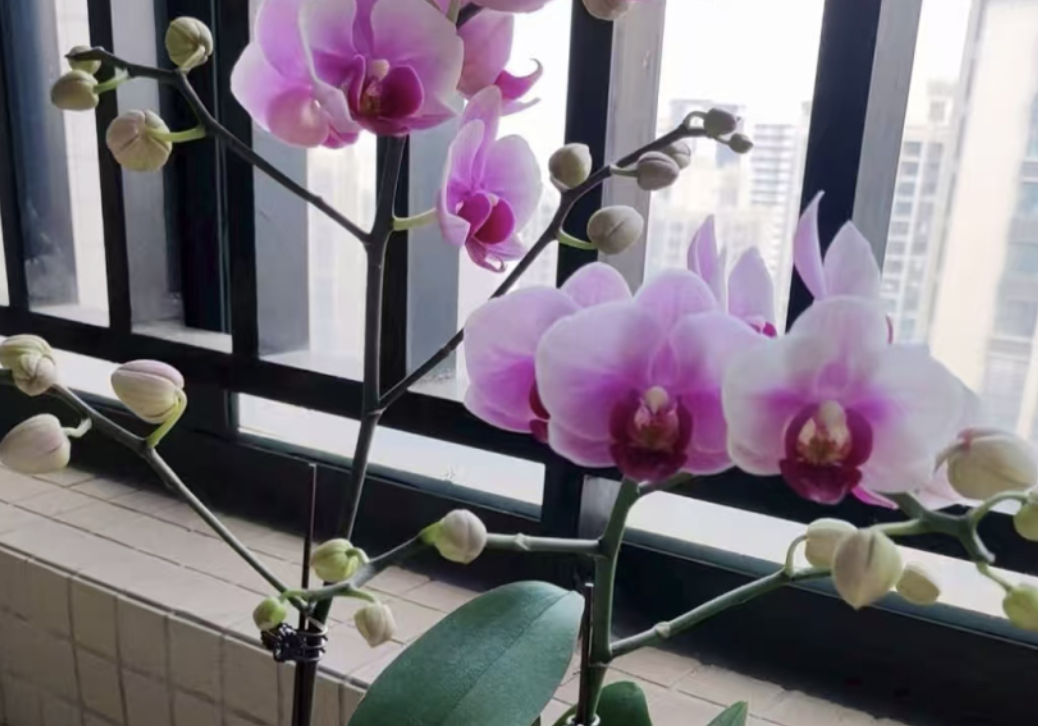
How does a Phalaenopsis orchid show signs of insufficient light? And what does it mean when it develops 'crystal tips'?
As most gardeners know, flowers and plants generally need light to grow, and the graceful Phalaenopsis orchid is no exception. However, since its natural
-

When a Phalaenopsis enters its growing period, there are 3 signs; with proper care it grows quickly
The most important thing in growing Phalaenopsis is to figure out its "growth rhythm" - if you cannot tell whether it has entered the growing period, and you water and fertilize purely by feel, it is very easy to stunt the plant or rot it. In fact, the growing period of Phalaenopsis has clear signals; as long as you observe its temperature and light needs and the plant's growth characteristics, then match them with the corresponding care, you can make its leaves
-

Signs of Insufficient Light in Phalaenopsis and the Meaning of the "Crystal Tip"
As we all know, most flowers and plants need light to grow. This is especially true for the elegant Phalaenopsis (moth orchid), but because it is native to tropical rainforests, its light requirements are not too intense. It prefers soft, "dappled light," meaning it should be placed in a bright spot that isn't too sunny. New
-

What are the signs of insufficient light in Phalaenopsis orchids? Here's how to handle it correctly
These days, office workers love growing greenery at their desks to relieve stress, and the elegant, easy-to-care-for Phalaenopsis orchid is a favorite for many! But if you don't pick the right spot with proper light at your desk, Phalaenopsis orchids can easily "throw a tantrum," showing poor growth, yellowing leaves, and dropping buds, which is distressing to see and ruins your stress-relieving mood. Don't panic; first understand the specific signs of insufficient light
-

What are the signs of nutrient deficiency in Phalaenopsis orchids, and how should you fix it?
When it comes to nutrient deficiency in Phalaenopsis orchids, the signs are very obvious and can be spotted at a glance. Yellowing leaves, shrinking roots, a shortened blooming period... these seemingly ordinary symptoms are actually the plant sending its owner a signal that it is not getting enough nutrients. First, look at the leaves. A healthy Phalaenopsis orchid has thick, glossy leaves that feel firm
-

Is a wrinkled aerial root on a Phalaenopsis orchid a sign it has gone bad? What causes aerial roots on Phalaenopsis orchids to wrinkle?
Aerial roots that were once plump and white suddenly turn wrinkled, as if they have shrunk. "Is this root bad? Is my Phalaenopsis orchid about to die?" A wrinkled aerial root on a Phalaenopsis orchid is not necessarily a bad thing; the key is to figure out "why it is wrinkled." This plant is quite peculiar: its aerial roots are not only used to absorb water and
-

Why is there water vapor on the pot walls of a Phalaenopsis orchid, and is it a good sign?
Have you ever noticed, while growing a Phalaenopsis orchid, that the pot walls are covered in tiny water droplets, that they feel damp to the touch, or that the potting medium is even sticky? In fact, this is the orchid sending out a "distress" signal! Water vapor on the pot is mostly a sign of overwatering or an environment that is too humid, and if it is not dealt with in time, root rot comes easily. Today I will walk you through the fix step by step, so even beginners can handle it with ease.
条件筛选