-
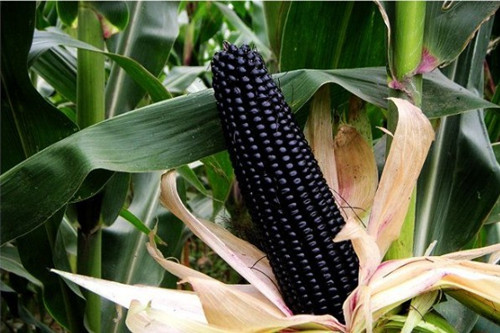
New High-Yield Techniques for Selenium-Enriched Black Corn, with a Detailed Explanation of Cultivation Methods
New High-Yield Techniques for Selenium-Enriched Black Corn
-

What are the common symptoms of selenium deficiency in laying hens?
Symptoms of selenium deficiency in laying hens
-
100 Questions and Answers on Scientific Pig Farming, Part Ten: What Are the Uses of the Trace Elements Copper, Iron, Manganese, Zinc, Cobalt, Iodine and Selenium?
100 Questions and Answers on Scientific Pig Farming 10. Among the trace elements, copper, iron, manganese, zinc, cobalt, iodine and selenium have
-
How to prevent and treat selenium deficiency in raccoon dogs? Detailed methods and key points
Prevention and treatment of selenium deficiency in raccoon dogs. Selenium deficiency has obvious regional characteristics. Generally, a selenium-deficient geological environment causes selenium deficiency in humans and livestock, especially in years with heavy autumn rain, when selenium in the surface soil is lost with the rainwater, and herbivorous or omnivorous animals find it difficult to obtain enough selenium from plants, thus developing selenium deficiency. The narrow belt from northeast to southwest China is all selenium-deficient areas, with western Heilongjiang Province and Liangshan in Sichuan being the most deficient. In selenium-deficient animals, the selenium concentration in the organs and tissues of the body decreases, and in
-
How to prevent and treat selenium deficiency in raccoon dogs? Farmers need to master these methods
Selenium deficiency has obvious regional characteristics. Generally, a selenium-deficient geological environment causes selenium deficiency in humans and livestock, especially in years with abundant autumn rain, when selenium in the surface soil is lost with the rainwater, and herbivorous or omnivorous animals find it difficult to obtain enough selenium from plants, thus causing selenium deficiency. The narrow belt from Northeast to Southwest China is all selenium-deficient areas, with western Heilongjiang Province and Liangshan in Sichuan being the most deficient. In selenium-deficient animals, the selenium concentration in the organs and tissues of the body decreases. Under actual production conditions, liver necrosis may occur, or it may appear together with muscular dystrophy, mulberry heart, and white muscle disease. Clinically, various animals show different manifestations, but the common manifestations are decreased productivity, reduced number of offspring, infertility, movement disorders, and in mammals, retained placenta. When raising animals in selenium-deficient areas, attention should be paid to selenium supplementation.
-
Smart Ways to Enrich Garlic with Selenium, Worth a Try for Growers
Garlic has many physiological effects that are beneficial to the human body. Eating garlic regularly can improve human immunity and prevent many diseases. These physiological effects of garlic are related to its relatively high selenium content. Therefore, how to further increase the selenium content of garlic is of great significance for improving the dietary therapeutic value of garlic, and it is also of notable significance for increasing the added value of garlic, boosting garlic exports, and raising farmers' incomes. This article introduces the production methods of selenium-enriched garlic to farmers for reference. Generally speaking, with the increase of pH and
-
Prevention and Control Techniques for Selenium Deficiency in Chickens (Exudative Diathesis)
Selenium deficiency is one of the common trace element deficiencies in young chickens, and is more frequently seen in meat-type and dual-purpose chicks. It is mainly characterized by serous exudation in the loose subcutaneous areas of the chest, abdomen, thighs, submandibular region, and neck, which is why it is also called exudative diathesis. 1. Causes A lack of selenium in the feed is the main cause of this disease. The occurrence of this disease shows obvious breed differences; the incidence rate in fast-growing meat-type and dual-purpose breed chickens that develop quickly in early stages is much higher than in egg-type breed chickens. The most common age of onset is 14 to 70 days in young chickens, and it often occurs together with vitamin E deficiency, though there are also cases of it occurring alone.
-
How to Cultivate Selenium-Enriched Garlic? Detailed Explanation of Key Planting Techniques
The selenium application methods commonly used in the production of selenium-enriched garlic mainly include three: seed soaking, soil selenium application, and foliar spraying. The cultivation techniques for producing selenium-enriched garlic are described below. 1. Seed soaking: Use a 100% mg/kg sodium selenate solution and soak the seeds for several hours before sowing. Garlic yield generally increases by 10%, and the selenium content also increases. 2. Soil selenium application: Before sowing garlic, apply 13 grams of sodium selenate per mu, combined with other base fertilizers, evenly applied in the sowing furrows. This generally increases yield by about 15% and has a clear effect of increasing selenium content. 3. Foliar spraying
-
Detailed Explanation of Key Production Techniques for Selenium-Enriched Garlic
Garlic is a popular condiment that people love to eat, and it has many physiological effects beneficial to the human body. Regular consumption of garlic can enhance human immunity and prevent various diseases. These physiological effects of garlic are related to its relatively high selenium content. Therefore, how to further increase the selenium content of garlic is of great significance for improving the dietary therapeutic value of garlic, and also has notable significance for increasing the added value of garlic, expanding garlic exports, and raising farmers' incomes. This article introduces the production methods of selenium-enriched garlic to the broad community of farmers for their reference
-
Detailed Explanation of Key Points in Selenium-Enriched Garlic Cultivation Techniques
Selenium is an essential nutrient element for humans and animals and an important element of life. Selenium deficiency in the human body can cause more than 40 diseases, such as Keshan disease, Kashin-Beck disease, hypertension, coronary heart disease and various cancers. The Horticultural Experiment Station of Northeast Agricultural University used Acheng purple-skin garlic as the garlic, and the liquid selenium-containing fertilizer was Xin Fu Xi Kang. Xin Fu Xi Kang is a high-efficiency organic foliar fertilizer composed of the rare element selenium and natural humic acid, zinc, boron, aluminum, germanium, etc. The treatments used foliar spraying, root irrigation, foliar spraying combined with root irrigation, seed soaking, and seed treatment at concentrations of 250-fold solution, 100
条件筛选