-
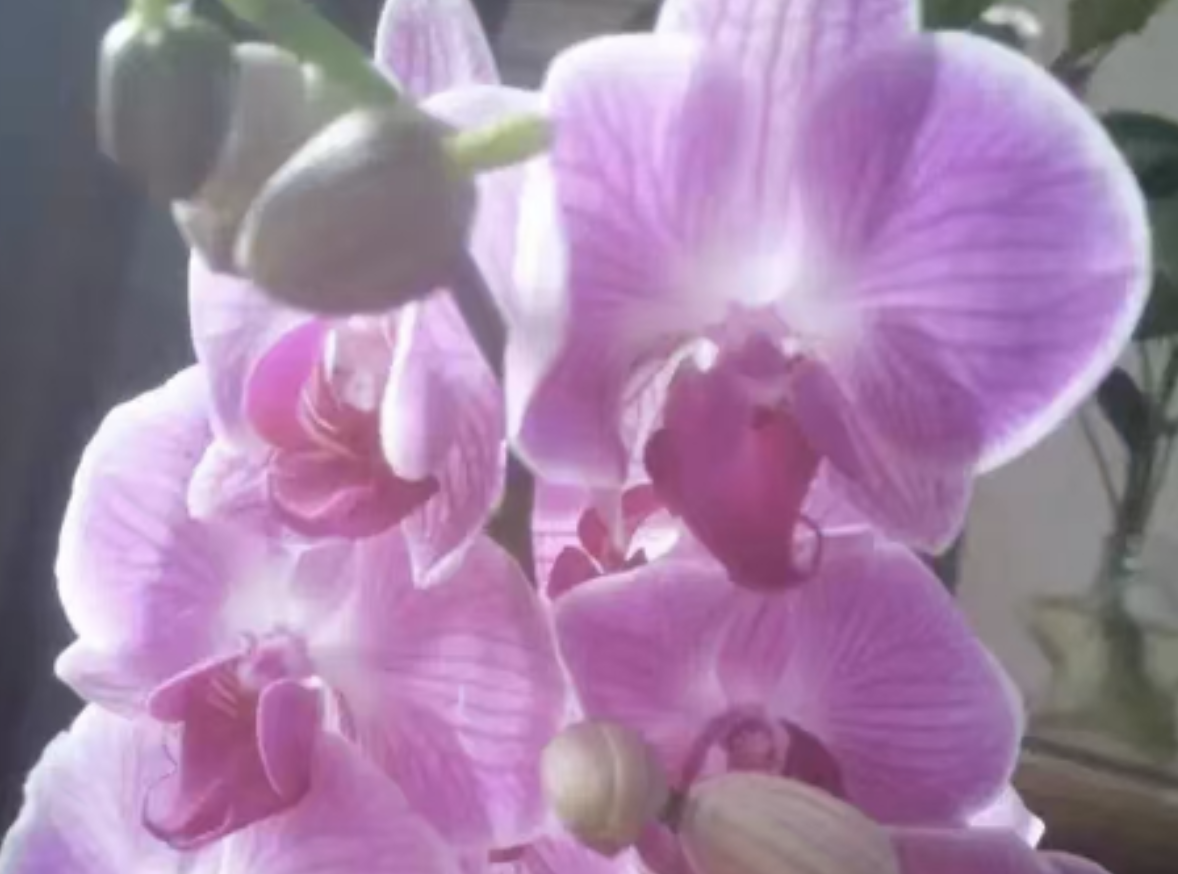
How should you handle it if your orchid has rotten roots to save it?
When it comes to Phalaenopsis orchids, they’re a favorite for many plant lovers, known for their elegant and ethereal flowers. However, one common problem is
-
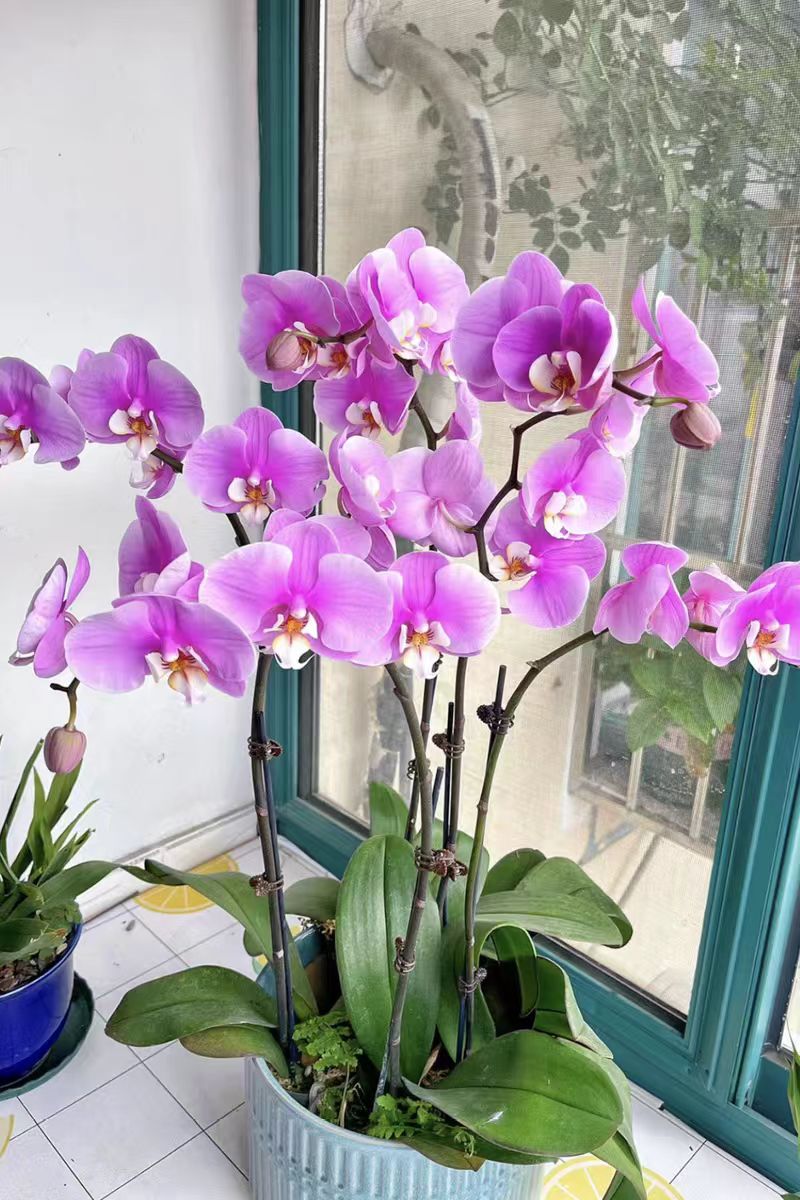
The best way to deal with rotten old roots of Phalaenopsis (moth orchids)
The most feared problem when cultivating Phalaenopsis orchids is the rotting of old roots. Once you notice the roots turning black, soft, and mushy, don't
-

Causes of and Solutions for Hollow and Rotten Roots in Phalaenopsis After Changing Sphagnum Moss
With its unique aerial root structure and dependence on sphagnum moss as a substrate, the Phalaenopsis has become a plant that many gardening enthusiasts both love and "fear." When we change the sphagnum moss for a Phalaenopsis, we may find that hollow roots and rotten roots appear. This not only affects the plant's growth but, in severe cases, can lead to the death of the entire plant. Hollow roots in Phalaenopsis after changing sphagnum moss
-

Can a Phalaenopsis with burned or rotten roots still be saved? Here's the correct way to handle it
During routine care, Phalaenopsis orchids sometimes develop burned or rotten roots, which makes many growers anxious. So, if a Phalaenopsis has burned or rotten roots, is it really beyond saving? The answer is: with proper handling, a Phalaenopsis can still recover and bloom again. When a Phalaenopsis has burned or rotten roots,
-

What to Do When Phalaenopsis Roots Are Shriveled and Rotten, and Can It Survive If the Roots Are Poor and It Grows a Flower Spike?
The Phalaenopsis orchid's long blooming period makes it highly favored by flower enthusiasts. However, caring for Phalaenopsis is not easy, especially when problems such as shriveled and rotten roots or poor root development occur, which require even more careful attention. The shriveling and rotting of Phalaenopsis roots is usually the result of multiple factors working together, including but not limited to sun
-
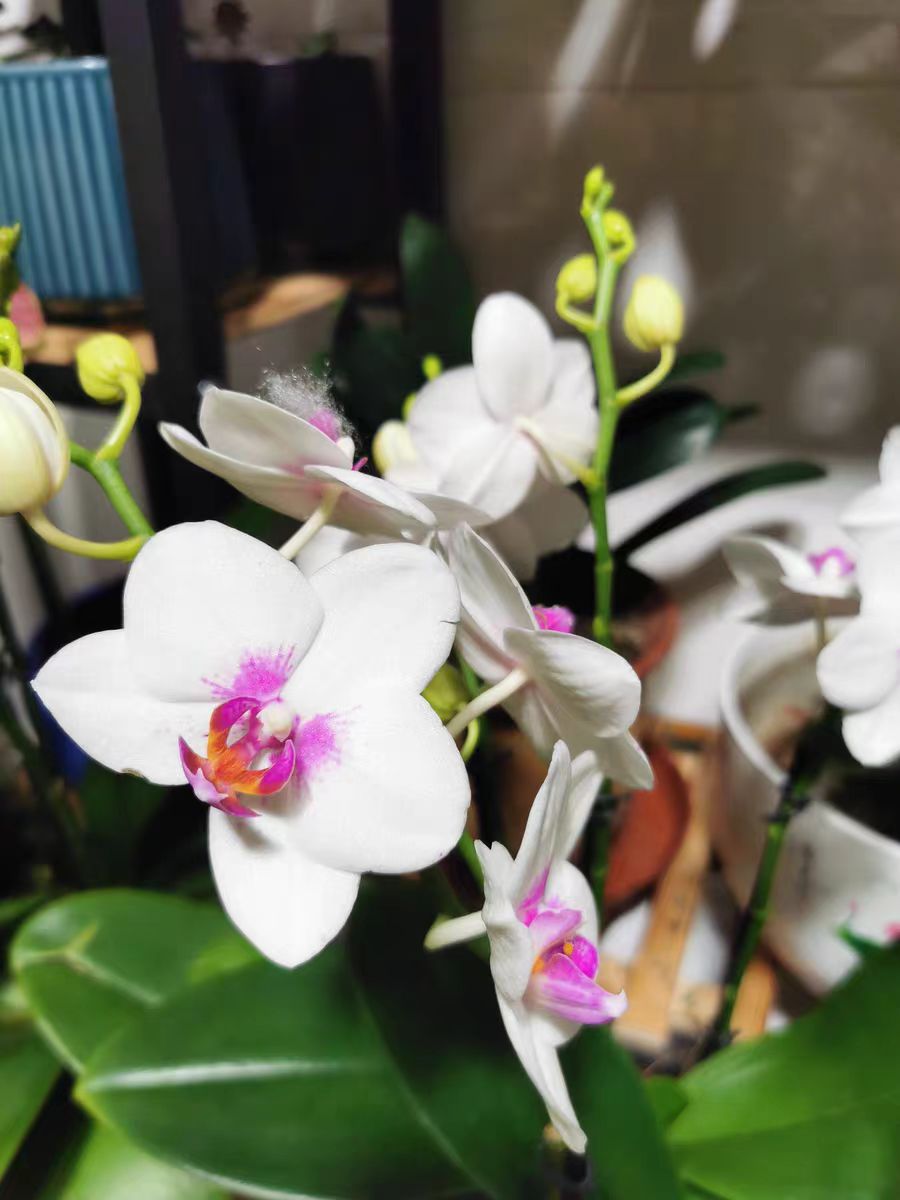
How to plant Phalaenopsis after cutting off the rotten roots?
As an elegant and beautiful flower, Phalaenopsis is deeply loved by flower enthusiasts. During its growth process, Phalaenopsis may encounter the problem of
-

How to Plant a Phalaenopsis After Cutting Off Rotten Roots, and How Long It Takes to Root
As an elegant and beautiful flower, the Phalaenopsis (moth orchid) is deeply loved by flower enthusiasts. During its growth, the Phalaenopsis may encounter problems with rotten roots, and at that point it needs to be trimmed and replanted. Below is a detailed introduction to how to plant a Phalaenopsis after cutting off rotten roots, as well as how long it takes for the Phalaenopsis to root after trimming. Phalaenopsis cut
-

How to Rescue a Phalaenopsis Orchid with Shriveled and Rotten Roots
In recent years, Phalaenopsis orchids, as a highly sought-after flowering plant variety, often show poor root condition during care, such as shriveled roots, hollow roots, whitish roots, black rot and various other common problems. So, when caring for Phalaenopsis orchids, what should be done if the roots are found to be in poor condition? Should the plant be left to develop
-

How to treat shriveled and rotten Phalaenopsis roots to save the plant
As is well known, the Phalaenopsis is an elegant and charming orchid variety; however, in the process of caring for Phalaenopsis, we may encounter some tricky problems, such as roots turning black, shriveling, or becoming moldy and rotten. These problems not only affect the plant's ornamental value but may also threaten the plant's life. Below we will explore
-
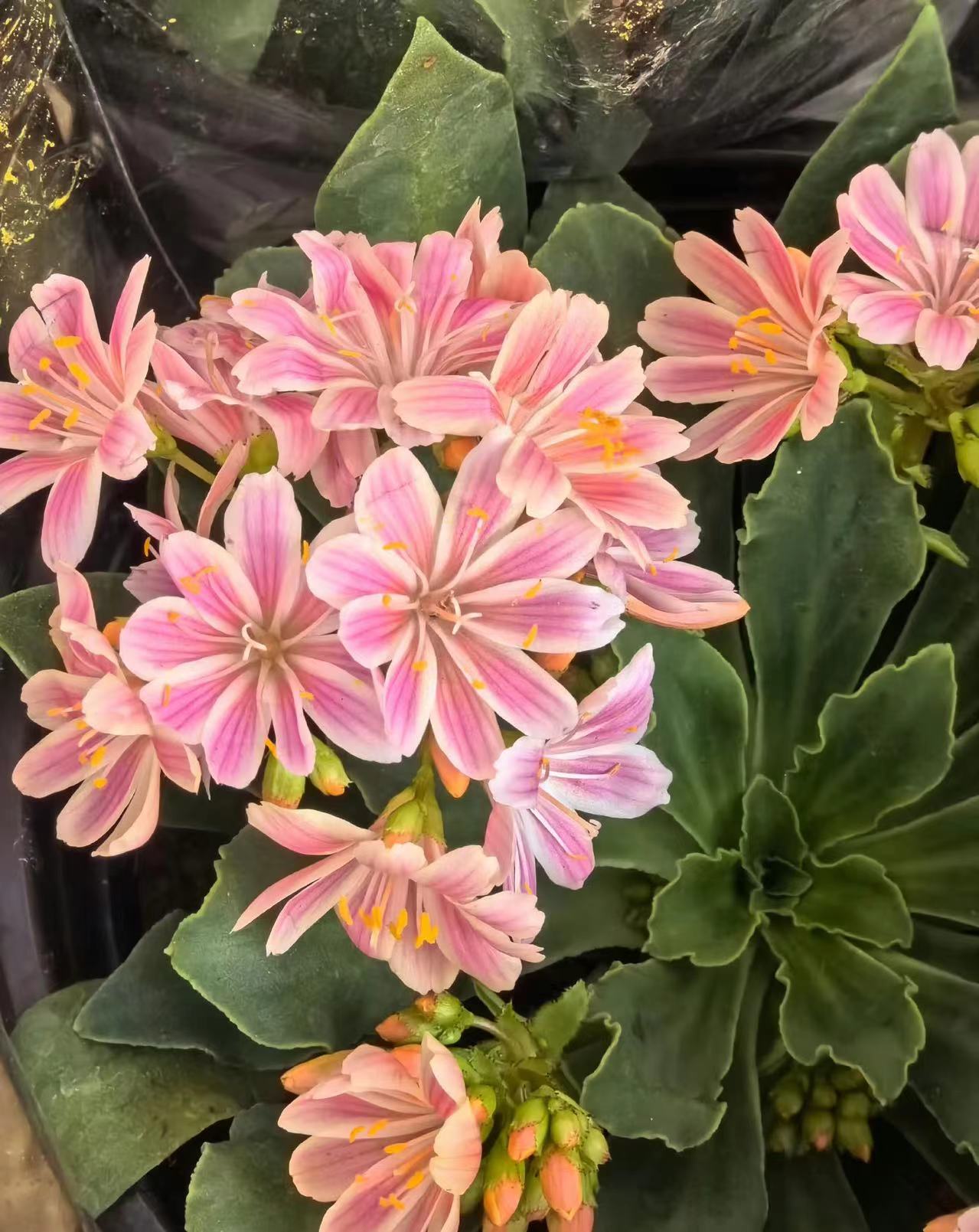
How to deal with the rotten roots of Lewisia cotyledon?
During the process of maintaining Lewisia cotyledon, we may encounter some problems, among which rotten roots and summer maintenance are the more critical
条件筛选