-
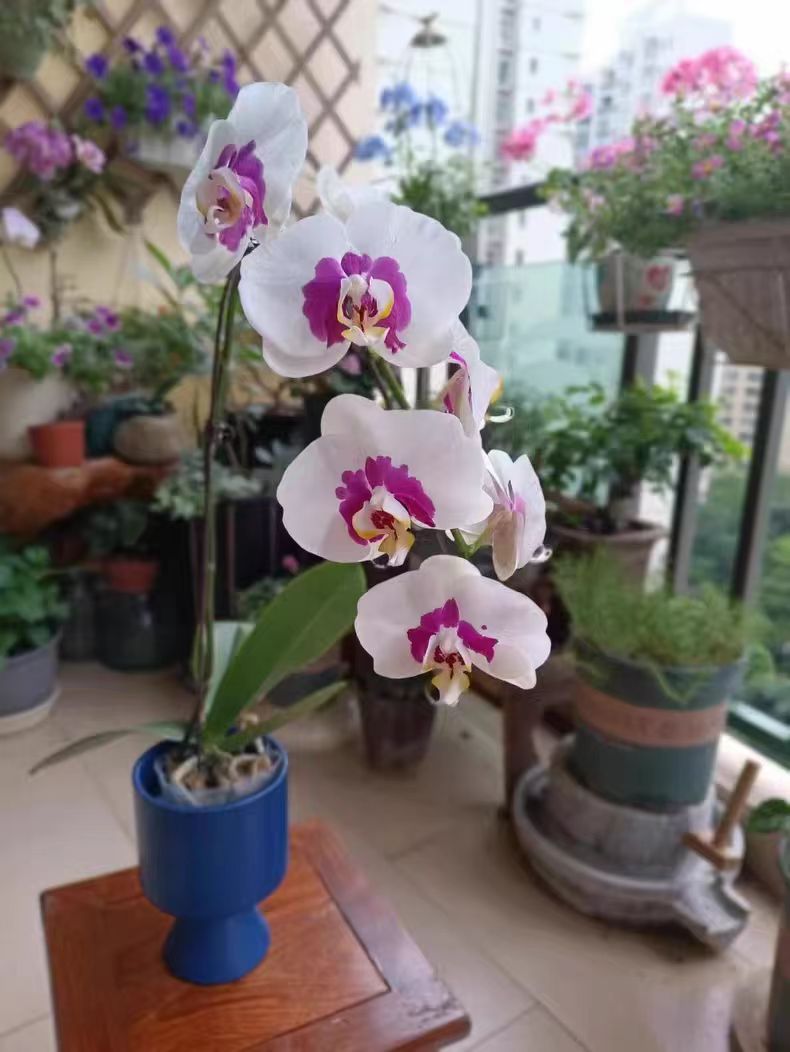
Why do Phalaenopsis post-flowering seedlings lose leaves?
When Phalaenopsis orchids bloom, they resemble dancing butterflies, stunning and beautiful. However, after the flowers fade, many orchid growers notice that
-

Can You Repot and Change the Soil of a Phalaenopsis Orchid During Blooming? Detailed Notes and Precautions
When a Phalaenopsis orchid is in bloom, it is a highlight of indoor decor. So can you repot and change the soil of a Phalaenopsis orchid during its blooming period? If repotting is necessary, what precautions should be taken? Understanding this knowledge allows you to better care for the delicate Phalaenopsis orchid and avoid improper handling that could affect its growth and blooming performance. From the perspective of plant growth patterns, Phalaenopsis orchid blooming
-
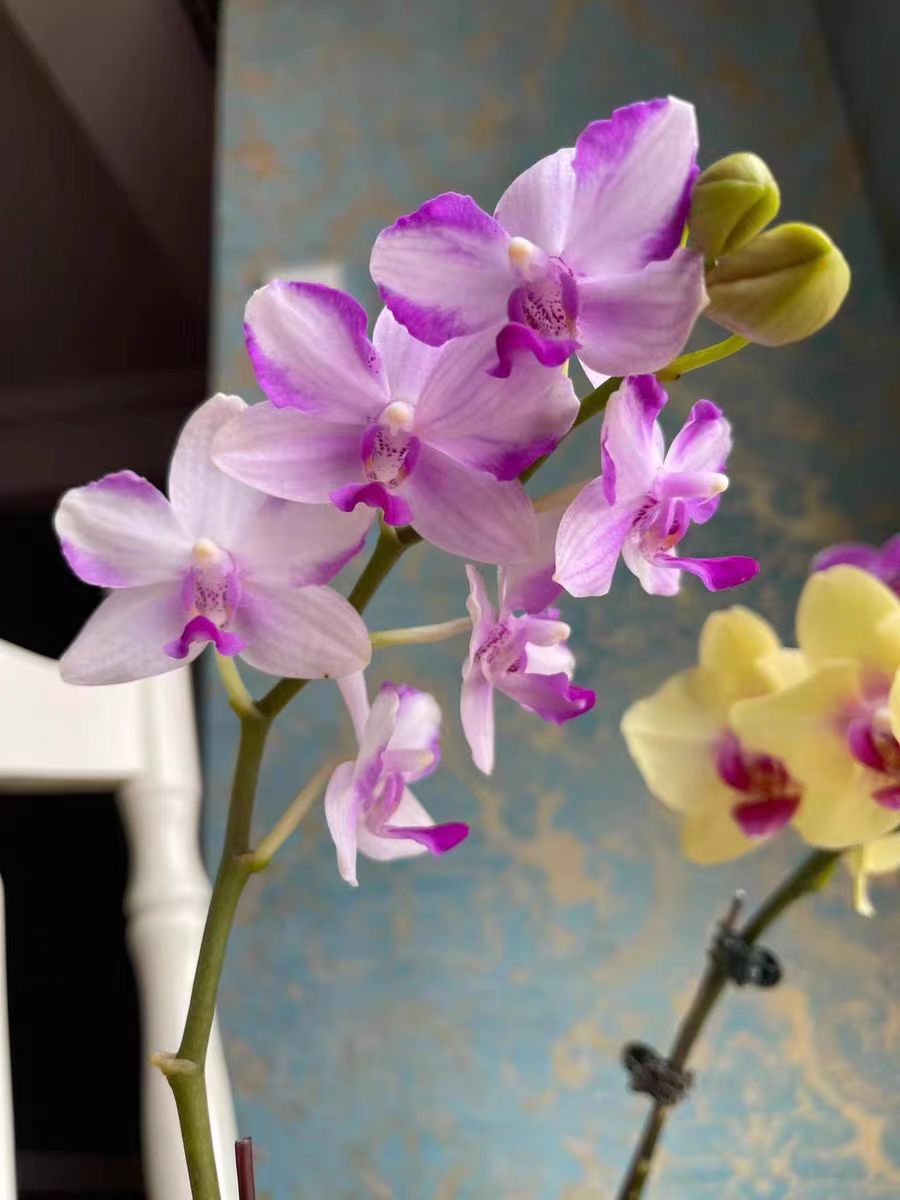
Can phalaenopsis orchids be repotted and have their soil changed during the flowering period?
When phalaenopsis orchids bloom, they become a highlight of indoor decoration. So, can they be repotted and have their soil changed during the flowering
-

Which flowers and plants are afraid of rain and waterlogging in spring?
In spring, all things revive, and the warm, humid climate brings growth opportunities for most flowers. However, not all flowers can adapt to excessive rain. Some flowers are naturally afraid of rain and waterlogging, and too much water can instead bring them disaster. Different flowers vary significantly in their tolerance to rain and moisture.
-

Will too-high temperatures inhibit flowering in Phalaenopsis orchids, and what consequences will it cause?
Phalaenopsis, as a tropical epiphytic orchid, is extremely sensitive to its growing environment, and temperature is a key factor affecting its growth and development. When the temperature is too high, Phalaenopsis not only struggles to produce beautiful flowers but also faces a series of growth crises. Phalaenopsis is native to tropical and subtropical rainforest regions, and its suitable
-
Caring for Phalaenopsis Orchids After the Blooming Period: Methods and Precautions
Don't rush to throw away your Phalaenopsis orchid after the flowers fade! Master these few care tips, and not only will it quickly recover its vigor, it may even have a chance to bloom a second time. 1. Pruning. 1. Cut at a slant 3-4 nodes up from the base of the flower stem, keeping the nutrient transport channel of the flower spike intact; under the right conditions, new flower buds can emerge in 6-8 weeks. 2. Cut the flower stem straight off right at the base.
-
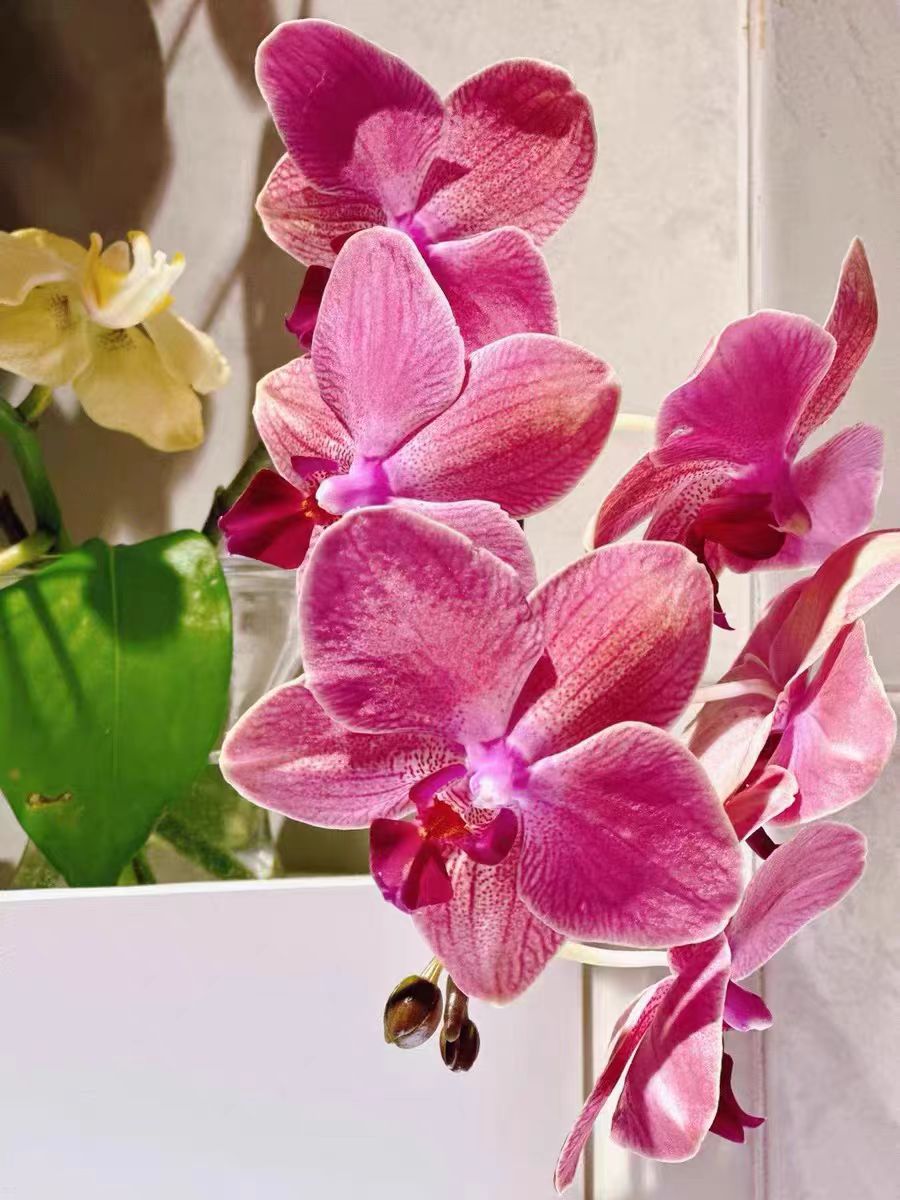
Why is it difficult to care for phalaenopsis (moth orchid) plants after flowering?
During the cultivation of phalaenopsis, many people find it quite challenging to care for the plants after their flowering period ends. These post-flowering
-
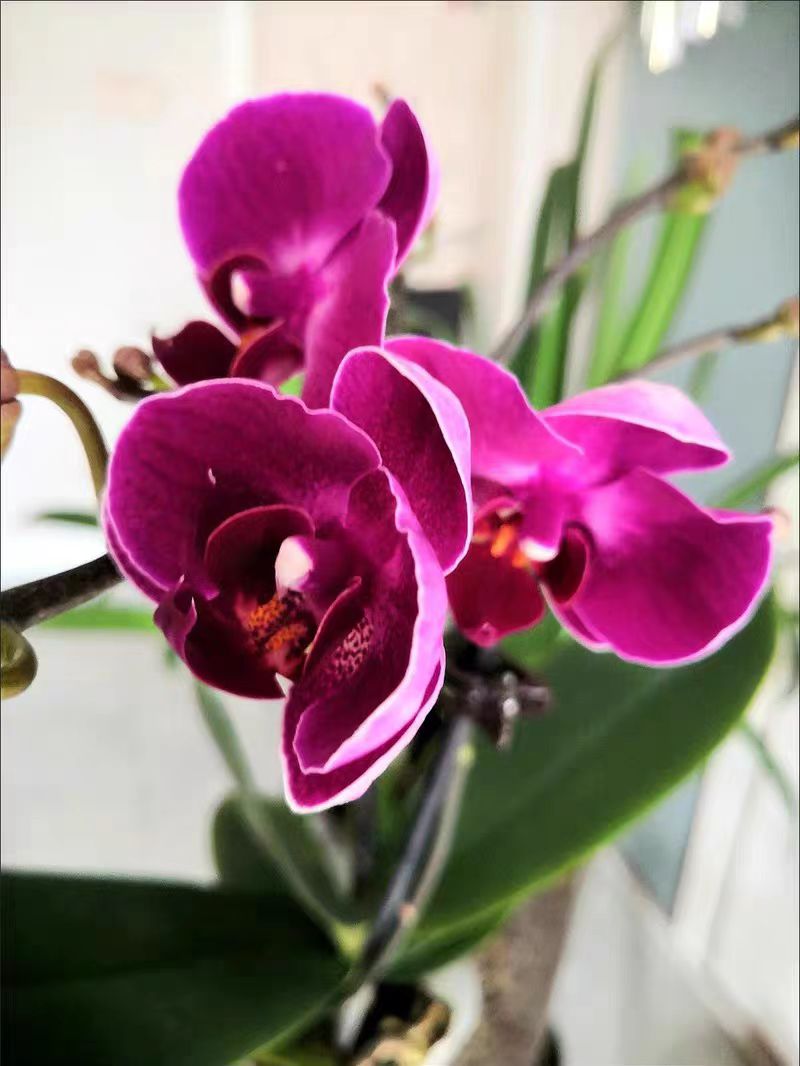
Will high temperatures inhibit the flowering of Phalaenopsis?
As a tropical epiphytic orchid, Phalaenopsis is extremely sensitive to its growing environment, and temperature is a key factor affecting its growth and
-
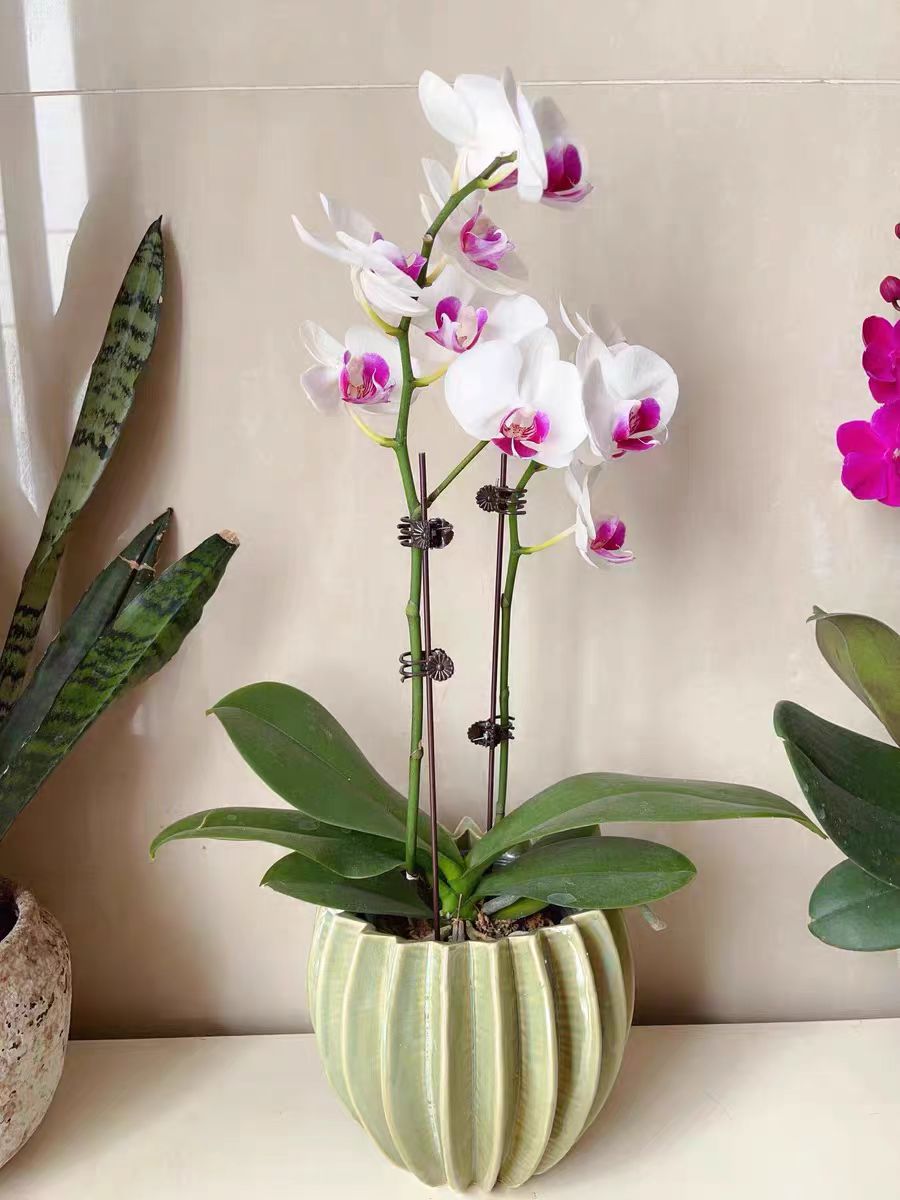
Can post - flowering seedlings of Phalaenopsis be bought and will they bloom?
Phalaenopsis is a popular choice in the flower market. Many flower lovers have found that there are post - flowering seedlings of Phalaenopsis with relatively
-

Watering Methods and Frequency for Phalaenopsis Orchids Grown in Bark
When choosing a growing medium for Phalaenopsis orchids, bark has become the top choice for many growers thanks to its good air permeability and water retention. However, when growing Phalaenopsis in bark, getting the watering frequency and method right puzzles quite a few people. Water too much and the roots rot easily; water too little and the plant suffers from lack of water. Precisely mastering watering techniques is the key to growing Phalaenopsis well.
条件筛选