-
Qingnong Issue 02 Returning Home: A Temporary Pause on World-Weariness
Qingnong: A Temporary Pause on World-Weariness | 02 Returning Home
-
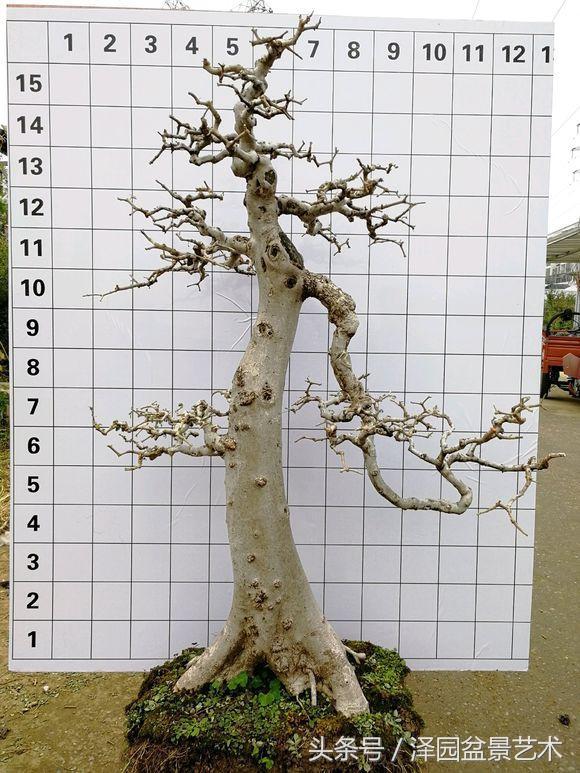
Chinese ash (Fraxinus chinensis) is now for sale; new and returning customers are welcome to buy.
Did you like this article? Share it right away so more people can see it! This site is full of rich, in-depth content; our editors select the hottest news every day and update it at any time. Click "Be the first to get the latest news" to browse! Please continue...
-
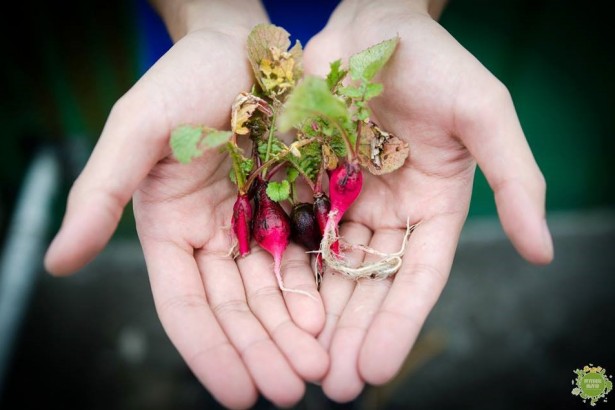
NTNU Institute of Environmental Education Restarts the Rooftop Garden, Returning to the Peak
Returning to the "Top" Peak - NTNU Institute of Environmental Education Rooftop Garden Restart Action
-

What Are the Benefits of Returning Wheat Straw to the Field? Methods and Precautions Explained in Detail
I. Benefits of Returning Wheat Straw to the Field. Returning wheat straw directly to the field not only reduces the number of tillage operations in the wheat field and lowers the cost of @#@245@#@ production, but also achieves rational use of the high-stubble wheat straw resource, avoids the practice of burning wheat straw, and helps conserve soil and water. After wheat straw is returned directly to the field, the straw covering the plow layer can reduce surface runoff during the rainy season, lessen soil compaction and cracking, and improve the soil's capacity to store water and conserve moisture; after the wheat straw decomposes, it can increase soil organic matter content, improve soil physical and chemical properties, and provide crops with various nutrient elements
-
Correct Methods and Technical Key Points for Returning Rice Straw to the Field
1. Rice straw mulching in wheat fields. After wheat sowing is completed, use 250-300 kg of rice straw per mu, cut into 10-20 cm straw segments, and spread evenly over the field so that the straw does not form piles and the soil is not left exposed. 2. Rice straw mulching in rapeseed fields. When transplanting rapeseed, plant the seedlings according to the specified spacing into holes with sufficient basal fertilizer, cover with soil, and then evenly spread rice straw over the whole field at 300 kg/mu, so that the straw does not cover the holes (seedlings) and the soil is not left exposed, while also applying integrated chemical weed control and necessary field management measures. 3. Drainage and
-
Detailed Explanation of the Technical Key Points for Returning the Full Amount of Wheat Straw to the Field
Crop straw is an important by-product of crops. It is also an important production resource for agriculture and industrial production. Returning crop straw to the field not only avoids the environmental pollution problems caused by rotting and burning, and achieves feeding the land with the land itself, but also consolidates the foundation of soil fertility for greatly increasing soil organic matter content, improving soil structure, building up soil fertility, strengthening the quality construction of cultivated land, and raising crop yield and quality. In every agriculturally developed country in the world, great attention is paid to the scientific rationality of the fertilization structure and the
-
Correct Methods and Technical Key Points for Returning Wheat Straw Compost to the Field
Choose a flat spot at the edge or corner of a field close to a water source, and firm the ground. Chop the wheat straw short, soak it with water, and then build the pile. First spread a layer of wheat straw about 25 cm thick, press it firm, then pour on human and livestock manure and urine, or for every 100 kg of dry wheat straw add 0.5 kg of urea and 2 kg of superphosphate, and spread a layer of pond mud 10 cm thick on top. Then spread another layer of straw, pour on fertilizer, and cover with pond mud. Build up layer by layer in this way until the pile reaches 1.5-2 m high. Finally seal the pile with thin mud. After 30 days, turn the pile and add an appropriate amount of water. After 2 months in summer, or 3-4 months in winter, it will be
-
New organic ecological cultivation technique for returning mushrooms to nature
The traditional technique for mushroom production uses rice and wheat straw as the main raw material, but in our area, with the expansion of mechanized harvesting and straw return to the field, the supply of rice and wheat straw is becoming less and less, which has limited mushroom production. In order to solve the problem of raw material shortage in the mushroom production process, over the past few years, through continuous exploration, we have successfully developed a new organic ecological nature-returning cultivation technique for mushrooms. This technique resolves the contradiction between the supply and demand of rice and wheat straw, simplifies the operating procedures, and changes mushroom cultivation from autumn cropping to year-round production in both spring and autumn. The cultivation cost is reduced by 30%-50%. If
-
Combining Planting and Breeding Helps Returning Farmers Find a Path to Prosperity
"Combining Planting and Breeding" Leads Returning Farmers onto the Road to Prosperity
-
Returning Home to Start a Business: One Person Lifts a Thousand Out of Poverty
One Person Returns Home to Start a Business and Lifts a Thousand Out of Poverty
条件筛选