-
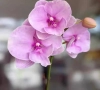
How to Rescue a Phalaenopsis After It Breaks? Detailed Remedial Treatment Methods
Growing Phalaenopsis, the worst fear is a "snap" and it breaks? Whether the flower spike snaps or the main stem breaks, don't just throw it away! Follow these steps to rescue it, and there's a good chance you can save it or even keep it blooming - essential reading for beginners. Flower spike broken? Simple support can keep the flowers going. If only the flower spike is broken and the main stem is not damaged: gently prop it with a bamboo skewer/wooden stick
-
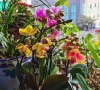
What to Do When a Phalaenopsis Orchid Is Severely Underwatered? All the Rescue Methods Are Here
When a Phalaenopsis orchid becomes extremely underwatered, the plant sends out obvious "distress signals": the roots shrivel and wrinkle, losing their pliability; the leaves pucker and go soft, even developing scorched edges; the flower spike dries up and the blooms wither prematurely. If not dealt with in time, this will threaten the plant's life. Below, we share the emergency rescue methods and key care points with you. 1. Emergency Rescue
-
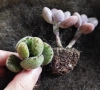
Can a dying succulent still be saved? Rescue methods for withered succulents
During succulent care, if a plant faces near-death conditions such as root rot or wilted leaves, it can still be effectively revived through scientific handling methods. 1. Beheading treatment 1. Tool disinfection: Use sterilized gardening scissors to ensure a sterile environment during the operation and avoid secondary infection. 2. Precise
-

Phalaenopsis Rescue Methods and Daily Care and Maintenance Guide
Many people see the Phalaenopsis orchids in flower shops blooming vibrantly and can't help wanting to grow one themselves. But when it actually comes time to care for one, the flowers just won't open no matter how long they wait, and what's worse, the leaves turn yellow. No matter how much care is given, it always feels like the plant is about to die at any moment. If you've encountered similar problems as described above
-

What to Do When Bamboo Palm Leaves Turn Yellow: Correct Rescue Methods
Bamboo palm (Rhapis excelsa) is an indoor green plant with extremely high ornamental value. However, during care, many people run into the problem of yellowing leaves on their bamboo palm. This phenomenon not only affects its appearance but may also be a warning sign of the plant's health. Below is a detailed introduction to the causes of yellowing bamboo palm leaves and the fastest rescue methods to help
-

How to grow Buddha belly bamboo so it grows fast? Emergency rescue methods for yellow leaves
Many people like to keep some green plants to beautify their indoor environment, so the evergreen plant "Buddha belly bamboo" is surely very suitable for you. It looks emerald green with many leaves, and keeping a pot feels like being in a jungle, very pleasing to the eye, and it can also play a certain role in purifying the air. So how should Buddha belly bamboo be cared for? Buddha belly bamboo is also known as water bamboo,
-

The Gerbera Leaves Have Wilted and Drooped - Can It Still Survive? Rescue and Care Methods
Today let's talk about the ornamental flower native to South Africa, the "Gerbera", also known as the Barberton daisy or the Transvaal daisy. It comes in many colors, including pink, red, yellow, vintage tones and so on. In the language of flowers, the Gerbera is often given the meanings of "eternal love", "loyalty" and "encouragement", so it is often used to express deep well-wishes to family and friends
-

Rescue and Care Methods for Mantangcai Phalaenopsis After Root Rot
Mantangcai Phalaenopsis, this gorgeous and colorful plant, belongs to the Orchidaceae family, genus Phalaenopsis, and is native to subtropical rainforests. It stands out for its epiphytic growth habit and unique flowers. Its flowers resemble butterflies dancing gracefully, with brilliant and dazzling colors covering pure white, goose yellow, crimson, light purple, orange-red, and azure
-

-
Why Is My Sedum rubrotinctum Dropping Leaves? Emergency Rescue Methods
Sedum rubrotinctum is a common succulent plant. Its leaf color varies depending on the light level; the longer it receives light, the more its leaf color turns red, while in semi-shade it mostly grows jade green. But many friends find that before Sedum rubrotinctum even turns
条件筛选