-

-
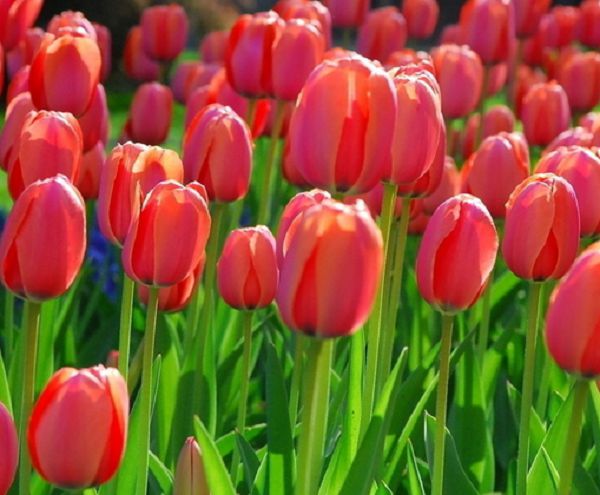
How plant growth regulators make flowers bloom according to your wishes
How to use plant growth regulators to make flowers bloom according to people's wishes
-

What is the difference between plant growth regulators and plant hormones?
The difference between plant growth regulators and plant hormones
-
Safe use methods of plant growth regulators in agriculture
Safe use of plant growth regulators in agriculture
-
-
Notes on Introducing Edible Fungi and the Application of Plant Growth Regulators to Flowers
The Application of Plant Growth Regulators to Flowers
-
How to grow and care for geraniums - Growing Diary (1) In order to control plant height and achieve large, brightly colored flowers, besides choosing dwarf geranium varieties, growth regulators... (2) It is relatively tolerant of dryness and afraid of
Geraniums have a long flowering period, strong adaptability to the environment, a plant size suitable for household potted cultivation, and are easy to propagate, so they are very popular and are one of the common potted flowers in homes. However, flower lovers are always pursuing some cumbersome methods to care for them, which is not only eff[more], How to grow and care for geraniums Life is like sailing against the current Baijiahao 10-30 16:24 Because geraniums are made up of many small flowers clustered together to form one large flower, they are also called hydrangea. And because they were introduced from abroad, there are [more]
-

How are vegetable growth regulators used correctly?
Currently, the hormones (plant growth regulators) used in vegetable production mainly include 2,4-D, naphthalene acetic acid, indoleacetic acid, gibberellin, chlormequat, methyl naphthalene acetate...
-
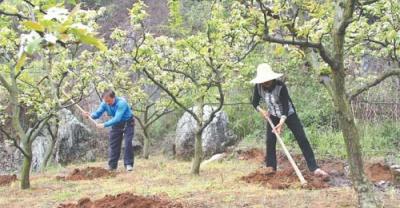
What plant growth regulators are needed for citrus cultivation?
Paclobutrazol has effects such as delaying plant growth, inhibiting stem elongation, shortening internodes, promoting plant tillering, increasing plant stress resistance, and raising yield. Citrus...
-
A Detailed Guide to the Application Methods of Several Chemical Regulators for Cotton
In cotton production, the commonly used chemical regulators include mepiquat chloride, chlormequat, ethephon, triacontanol, chitin, and others. Some of these chemical regulators can shape an ideal plant architecture, forming a high-photosynthetic-efficiency population per unit area; some can promote robust plant growth and reduce the occurrence of pests and diseases; and some have a ripening effect, effectively regulating the maturity period and thereby reducing the harm from disastrous weather. In short, scientifically applying various chemical regulators well in cotton production is beneficial for increasing yield and improving quality. 1. Mepiquat chloride can both reduce cotton plant height and decrease
条件筛选