-
Can Phalaenopsis orchids be kept outdoors in the yard and rained on heavily?
Growing Phalaenopsis orchids outdoors? It really works! Dodge the high heat in summer, make the most of the light in spring and autumn, and guard against root rot in the rainy season, so even beginners can handle it with ease! Temperature: The most comfortable temperature for Phalaenopsis is 15-30°C. In winter, once it drops below 10°C, you need to build it a warm shelter (just enclose it with clear plastic film, and remember to leave a ventilation opening), otherwise it is prone to cold damage;
-

Can rainwater replace fertilizer for Phalaenopsis? Is it better to water Phalaenopsis with rainwater or let it get rained on?
When caring for Phalaenopsis, questions about watering and fertilizing often cause confusion, especially the role that rainwater plays. So, can rainwater replace fertilizer for Phalaenopsis? And which is better, watering with rainwater or letting it get rained on? As rainwater falls, it dissolves some trace elements and
-
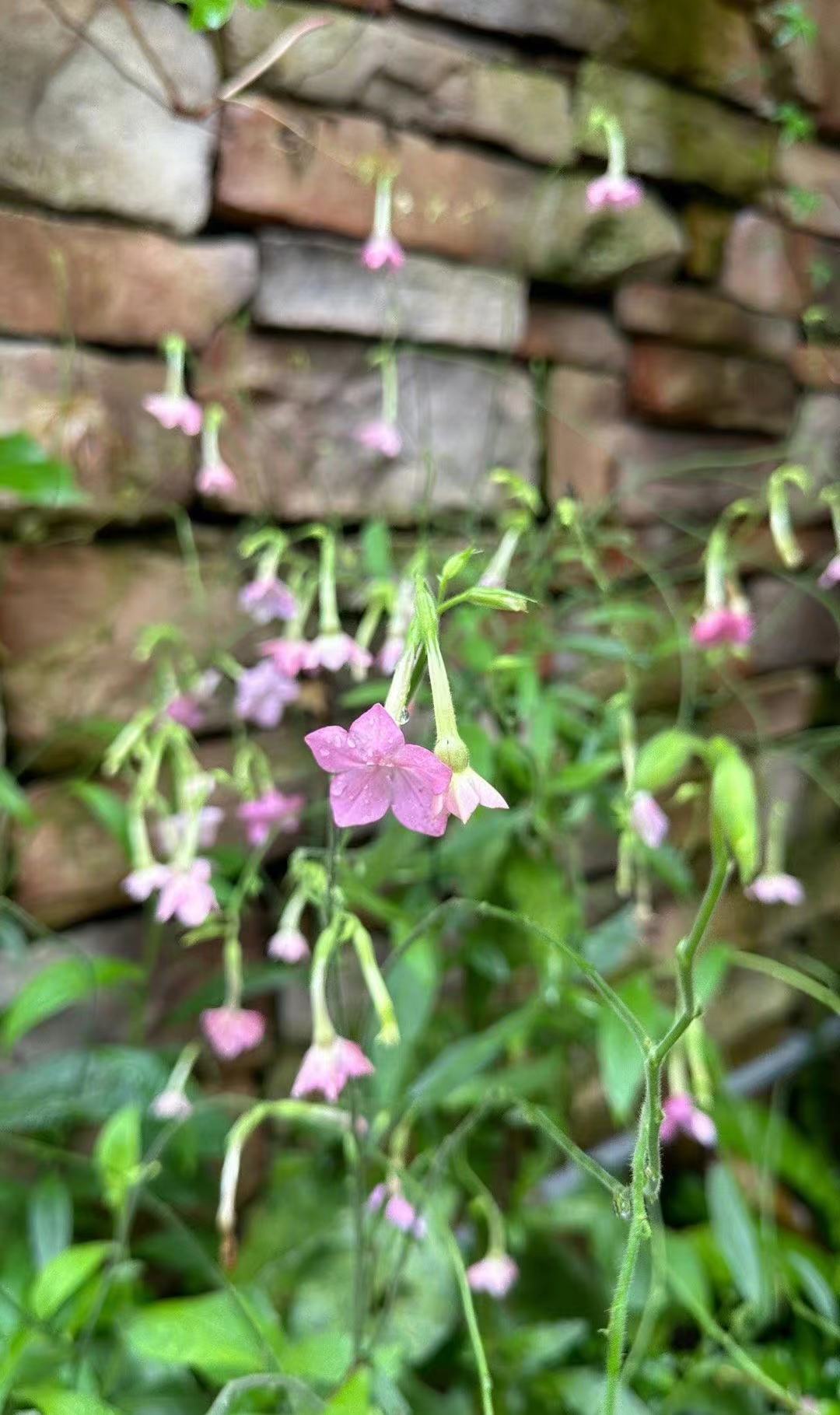
What are the flowers that are afraid of getting rained on?
When the scorching sun shines brightly on the earth in summer, a sudden rain may bring a moment of coolness, but for some plants, this may be a disaster.
-

Introduction to ten ornamental chicken breeds, see how many you recognize
It can be said that China was the earliest country to train chickens, and there were dedicated people managing chicken-raising affairs. Now raising ornamental chickens has become a trend, because ornamental chickens have beautiful appearances, but few people eat them. So what are the ornamental chicken breeds in our country? Next
-
Detailed Guide to Dendrobium officinale Cultivation: Care and Management Methods You'll Grasp at a Glance
Dendrobium officinale is best grown in well-drained, breathable crushed fern roots, sphagnum moss, charcoal bits, broken tile pieces, perlite, and the like. Then find a flower pot with a relatively large diameter, place some broken tile pieces at the bottom of the pot, and plant the divided plants into the potting soil. After 3 days, water with a small amount of water,
-
How to Grow Gladiolus? A Complete Guide to Methods and Tips
To grow gladiolus, use well-drained sandy soil, and it is best to use unglazed clay pots or plastic pots. After planting, fertilize promptly, applying 3-4 times a month with decomposed liquid fertilizer. Later, attention needs to be paid to light, water, temperature and other issues. 1. Potting soil To grow gladiolus, you should choose
-
Detailed Explanation of Crimson Seedless Grape Cultivation Techniques and Management Methods
It is advisable to choose deep, fertile, loose soil with good drainage, such as sandy loam, for planting. Planting can be done in early February in spring or at the end of October in autumn. Apply sufficient base fertilizer and plant at a spacing of 1m*3m between plants and rows. After planting, water thoroughly and cover with plastic film. Water during dry seasons. In the first
-
Detailed Explanation of Baitqi Planting Methods and Key Technical Points
Baitqi likes fertile, loose, well-drained sandy loam or humus loam. It prefers a warm, shady, and moist environment, and is best cultivated on a shady hillside. From July to September, water once in the morning and once in the evening to keep the soil moist, and also drain promptly to avoid damaging the roots.
-
How should Pit Bulls be raised and trained?
Anyone who likes keeping dogs knows that every breed of dog has its own unique characteristics. Some are suitable as pet dogs, while others are better suited for guarding the home. And the raising methods for each breed of dog are also different. Today, the editor will tell you about the
-
How to Grow and Care for Angelonia
Summary: Choose to grow it in well-drained sandy soil or alkaline soil. In the hot summer, appropriate shading is needed. During cultivation, water according to soil dryness and moisture, but avoid water accumulation in the pot. The suitable growing temperature is around 26-28°C.
条件筛选