-
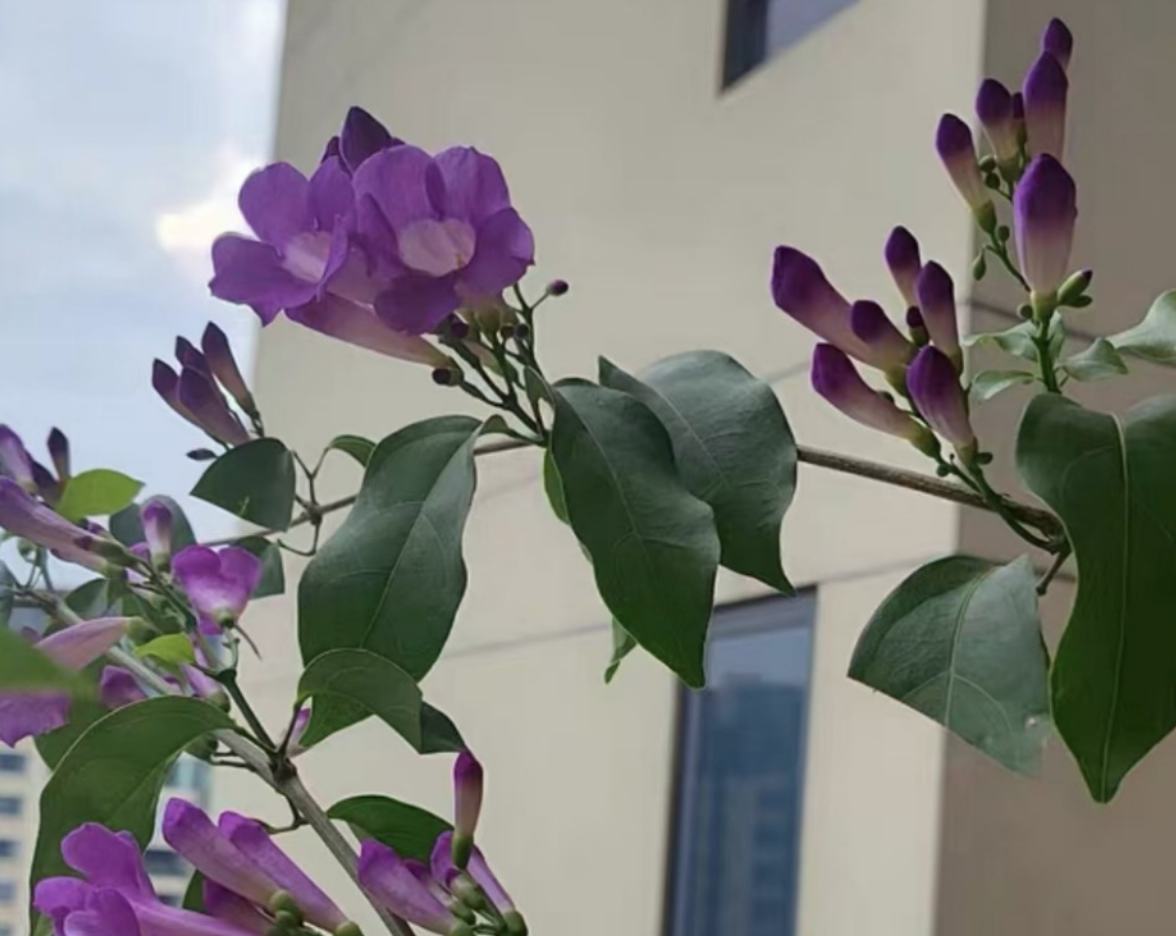
Is the mosquito - repellent effect of Pseudocalymma alliaceum good?
Southern "little potatoes" (a cute nickname for people from southern China) love to grow several pots of plants on the balcony. Especially when they are placed
-
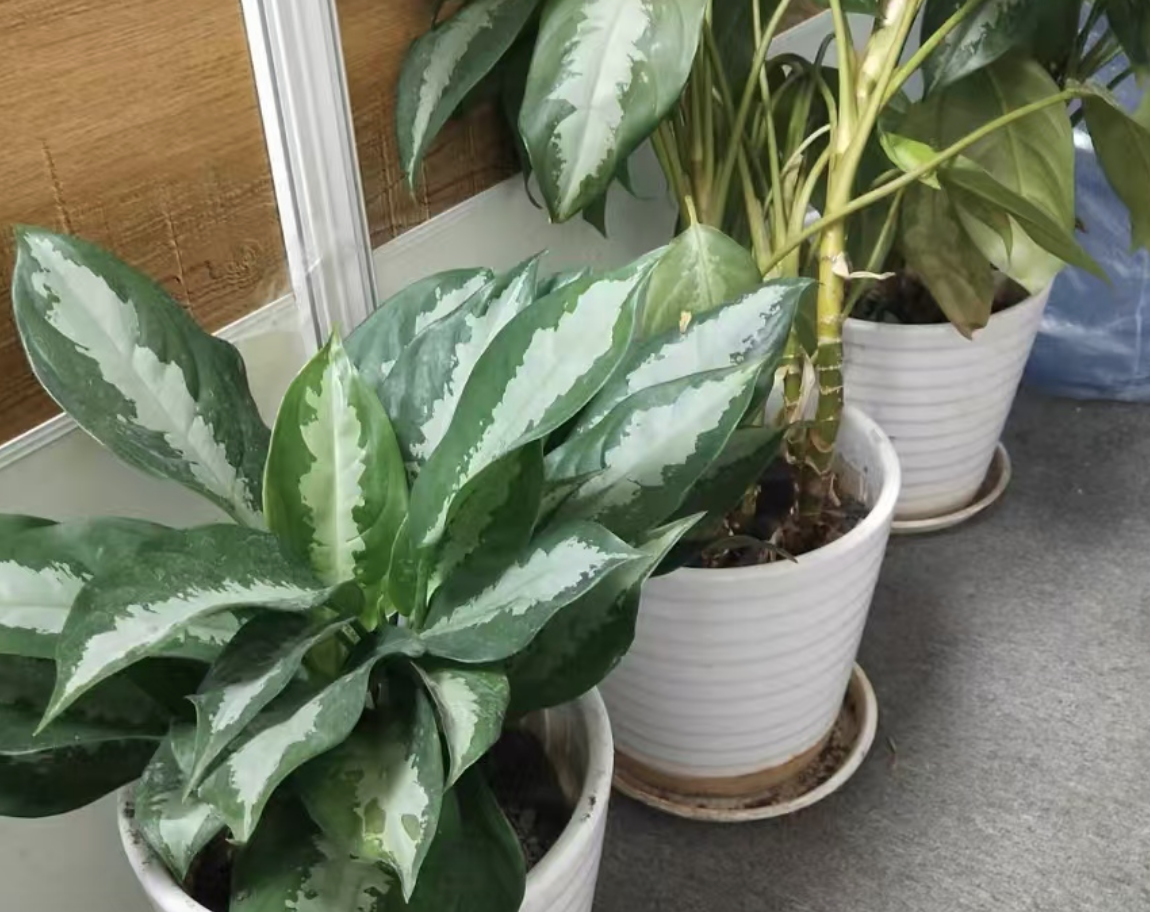
How often should we water Aglaonema commutatum 'Pseudobracteatum'?
I believe that those who have been back to the countryside have seen a lot of rare and beautiful flowers and plants in the rural mountains. Among them, the
-

When does Narcissus pseudonarcissus of the Amaryllidaceae family bloom, and what are its growing environment and flower meaning?
Narcissus pseudonarcissus, also known as the wild daffodil, trumpet narcissus and so on, is a perennial herb of the Amaryllidaceae family. It is distributed in Spain, Portugal, Germany, England, Wales and other places. So, when does Narcissus pseudonarcissus generally bloom? What is its growing environment like? What is its flower meaning?
-
What are the characteristic signs of a pseudopregnant sow?
In the process of raising sows, pseudopregnancy is often encountered. Once pseudopregnancy occurs in a sow, the loss to the farm is very large. So if you want to reduce breeding costs and increase the farmer's income, you have to learn to distinguish whether a sow is truly pregnant. Then
-
What are the latest key points for growing Pseudostellaria heterophylla?
Pseudostellaria heterophylla has a very broad range of uses, is in great demand on the market, and has excellent prospects for cultivation. Today we will briefly discuss the basic key points for growing Pseudostellaria heterophylla. Choosing the plot, applying sufficient base fertilizer: choose a hillside plot of red-yellow soil, ideally second-year fallow land after one year of cropping
-
Detailed Tutorial on the Latest Cultivation Techniques and Methods for Pseudostellaria heterophylla
Pseudostellaria heterophylla is the dried root tuber of the Caryophyllaceae plant Pseudostellaria heterophylla, and has the effects of tonifying qi and blood, promoting fluid production, and strengthening the spleen and stomach. It is suitable for weak conditions such as persistent summer fever in children, poor appetite, lung deficiency, cough, palpitations, as well as weakness and fatigue after illness in children, spontaneous sweating, night sweats,
-
Latest Market Prospect Analysis for Pseudostellaria heterophylla Cultivation
Pseudostellaria heterophylla, also known as hai'er shen or tong shen. It is the root tuber of the perennial herb Pseudostellaria heterophylla, which likes to grow in warm and humid environments and fears high temperatures. It is distributed in East China, Central China, North China, Northeast China and Northwest China, and the medicinal material is mainly produced in Fujian, Guizhou, Jiangsu, Shan
-
Overview of the Latest Distribution of Pseudostellaria heterophylla Producing Areas
Pseudostellaria heterophylla is the dried tuberous root of the Caryophyllaceae plant Pseudostellaria heterophylla (Miq.) Pax, a common Chinese medicinal herb distributed in Liaoning, Inner Mongolia, Hebei, Shaanxi, Shandong, Jiangsu, Anhui, Zhejiang, Jiangxi, Henan, Hubei, Hunan, Sichuan and other places. Below let us take a look together
-
Latest Tutorial on Pest and Disease Control Techniques for Pseudostellaria heterophylla
Pest and disease control for Pseudostellaria heterophylla should adhere to the principle of prevention first and integrated control. For chemical control, biological pesticides should be given priority, followed by chemical pesticides. In chemical control, high-efficiency, low-toxicity and low-residue pesticides should be used in a restricted manner, and the spray concentration, per-mu dosage and application frequency should be strictly controlled. No pesticide of any kind may be used within one month before harvesting Pseudostellaria heterophylla.
-
Latest Prices of Pseudostellaria heterophylla Seeds and a Detailed Guide to Planting Methods
Pseudostellaria heterophylla, also known as haier shen, shuangpi qi, siye shen, etc., is a perennial herbaceous plant of the genus Pseudostellaria in the carnation family (Caryophyllaceae). It prefers warm and humid environments and is distributed in Liaoning, Hebei, Shandong, Anhui, Jiangsu and other places. Its roots are used as medicine and have effects such as strengthening the spleen and replenishing qi, nourishing blood and promoting fluid production.
条件筛选