-

New progress made in no-till seeding technology in China
New progress made in China's no-till seeding technology
-
New progress made in cultivating large-leaved sea lavender in saline-alkali land
Progress made in cultivating large-leaved sea lavender in saline-alkali land
-
Overview of Research Progress and Current Utilization of Propolis
Propolis is a resinous substance collected by honeybees from tree buds, bark and other parts of plants, mixed with secretions from the bees' hypopharyngeal glands, wax glands and other glands, and processed and transformed by the bees. Propolis is an opaque solid, brown, reddish-brown or grayish-brown in color, sometimes with a greenish tinge, and in a few cases nearly black. Natural fresh propolis has a resinous fragrance and is sticky and malleable. It begins to soften at 36°C, becomes hard and brittle and can be pulverized at 15°C, and melts into a viscous liquid at 60-70°C. Propolis is a resinous substance, highly soluble in ether, chloroform, acetone,
-
Research progress on the mechanisms by which porcine circovirus type 2 infection causes immunosuppression
Circovirus infection is a newly discovered infectious disease. The disease has a relatively high infection rate in pigs and occurs widely throughout the world, having become one of the infectious diseases that seriously affect the development of the pig industry. Circovirus mainly attacks the pig immune system, interfering with and destroying the body's production and maintenance of immune antibodies against disease, resulting in reduced resistance and making pigs susceptible to secondary or concurrent other diseases. In recent years, scholars at home and abroad have conducted a great deal of research on the mechanisms by which porcine circovirus invades the immune system, and certain progress has been made in the virus replication mechanism, its effects on cytokines and lymph
-
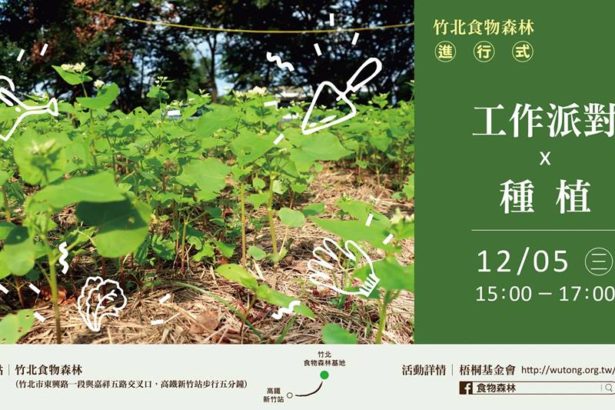
Zhubei Food Forest in Progress: Work Party Planting Together
[Zhubei Food Forest in Progress] Work Party x Planting
-
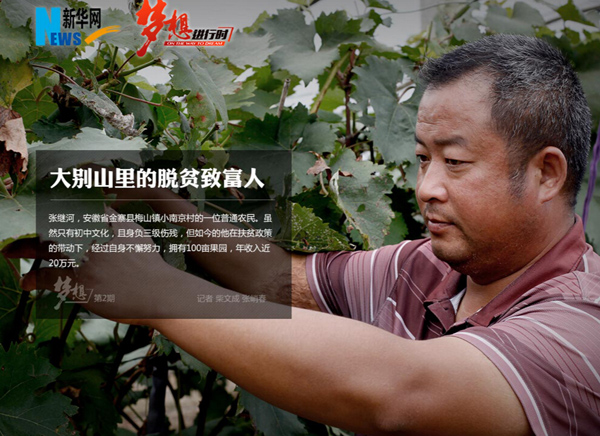
The people of Dabie Mountains who escaped poverty and found prosperity: Dreams in progress
Dreams in progress: The people of Dabie Mountains who escaped poverty and found prosperity
-
What new progress has been made in China's joint research on improved varieties of the four major crops?
New progress has been made in China's joint research on improved varieties of the four major crops
-
Major progress in research on resistance to cotton Verticillium wilt
Major progress in research on resistance to Verticillium wilt in cotton
-
Latest research progress made in the potato genome project
News from New York on March 31: the Potato Genome Sequencing Consortium (PGSC) said that the Dutch government will contribute 3 million euros (about 3.6 million US dollars) to sequence the first potato chromosome, and, in cooperation with research organizations from other countries, complete the sequencing of the potato genome (840 Mb) in 2010, making a contribution to the future global food supply. PGSC
-
Research Progress on Detection Technologies for Porcine Circovirus
Porcine circovirus disease is a class of viral infectious diseases caused by porcine circovirus (PCV) infection and characterized by immunosuppression, with the main clinical manifestation being postweaning multisystemic wasting syndrome in piglets caused by PCV-2. This article reviews the research progress in recent years, both domestically and internationally, on detection technologies for this virus, including virus isolation, electron microscopy, polymerase chain reaction, indirect immunofluorescence assay, immunohistochemistry, enzyme-linked immunosorbent assay, and in situ nucleic acid hybridization. Porcine circovirus disease
条件筛选