-

Detailed Explanation of Straw Mushroom Grading Standards and Processing Techniques
I. Straw Mushroom Grading Standards: 1. Fresh mushroom grading: Grade 1: mushroom cap circumference 8-11 cm, solid. Grade 2: mushroom cap circumference 6-8 cm, solid. Grade 3: mushroom cap circumference 6-8 cm, wrapper slightly split. Broken-cap: cap cracking not exceeding 0.5 cm. Substandard: mushroom cap circumference 5-6 cm, with some broken caps. 2. Dried mushroom grading: base trimmed, free of sand and impurities, cap surface mouse-gray or grayish-white, flesh white. No mushrooms with opened veil or expanded cap, moisture content 12%, fragrant, free of insect damage and mold, free of scorched yellow or blackened areas.
-
Detailed Explanation of Key Points on Straw Mushroom Harvesting and Processing Techniques
After piling the straw and sowing, mushrooms begin to appear in 10-15 days (as quickly as about one week). The appropriate harvest time for commercial straw mushrooms is when the mushroom buds are about to rupture and the caps inside the volva have not yet opened. The specifications for canning are a diameter of 2 cm or more, a neat mushroom shape, an unruptured outer veil, and an unelongated enclosed stipe. The requirements for making dried mushrooms are a diameter of 4 cm or more and an unruptured outer veil. Those with a ruptured outer veil are slightly lower in quality, and those with opened caps are even worse; the latter can only be sold as substandard fresh mushrooms. For dried mushrooms, the mushroom buds should be cut longitudinally into two connected halves, arranged on a bamboo sieve or wire mesh sieve, placed on the racks of a specially made drying room, and dried over a slow fire. The initial drying temperature is 35-40°C, and as the moisture decreases, the temperature is gradually raised to 60-65°C, until the moisture content of the straw mushrooms reaches 12-13%.
-
Harvesting, Processing Methods and Medicinal Effects of Polygonatum
Harvesting and processing: Polygonatum grown from transplanted rhizomes is harvested after 1 to 2 years, while plants grown from seed are harvested after 3 to 4 years. In late autumn or early spring, dig out the rhizomes, wash off the soil, remove the fibrous roots and diseased scars, steam for 10 to 20 minutes (until thoroughly steamed), take them out and dry them in the sun, kneading them while drying; after 7 to 10 days of sun-drying they will be dry. Medicinal effects: Polygonatum is sweet in flavor and neutral in nature. It enters the spleen, lung and kidney meridians. It has the effects of tonifying the spleen and moistening the lungs, nourishing yin and promoting fluid production, tonifying the middle and replenishing qi, and strengthening the tendons and bones. It treats consumptive damage with alternating cold and heat, pulmonary tuberculosis with coughing of blood, pulmonary tuberculosis with dry cough and no phlegm, diabetes, hypertension, and post-illness bodily
-
Detailed Explanation of Key Techniques for Harvesting and Processing Polygonatum
Polygonatum can be harvested in either spring or autumn, with the best quality obtained from harvests in late autumn and early winter. After digging, remove the stems, leaves, fibrous roots, soil, sand and impurities; large ones can be split into 2 or 3 sections and placed in a steamer or wooden rice steamer to steam for about 12 hours, until they appear glossy and moist, then take them out and sun-dry or oven-dry (requires no smoke and low heat); or place them in water, boil, then remove and sun-dry or oven-dry. However, processing by the steaming method is better (after steaming it is prepared Polygonatum, while after boiling in water and sun-drying it is raw Polygonatum).
-
Detailed Explanation of the Processing Technology for Millet and Black Sesame Crispy Slices
(1) Formula: 900 g millet flour, 100 g black sesame, shortening, and seasonings (salt, white sugar, spicy powder, etc.) in appropriate amounts, plus "Texiangsu". (2) Process flow: raw and auxiliary material processing -> measured proportions -> mixing -> dough preparation -> crisping treatment -> sheet pressing -> slicing -> seasoning -> baking -> cooling -> packaging. (3) Key operating points: 1. Raw and auxiliary material processing: select clean, hulled fresh millet, wash it thoroughly with water, then soak for 2-3 hours, air-dry, grind into flour, and pass through an 80-100 mesh
-
What are the processing methods for Renshou sesame cake?
Renshou sesame cake is one of the traditional famous specialty products of the Leshan area in Sichuan. Its characteristics: the cake texture is fine and tender, soft and melting in the mouth, sweet and fragrant with a refreshing taste, and it has a unique flavor. Ingredients formula: sesame powder 7.5 kg, stirred sugar 34.25 kg, cake powder 3.25 kg, cooked flour 5 kg, bean powder 0.25 kg. Production method: 1. Making sesame powder: choose plump sesame seeds, wash them with clean water, remove impurities and sand, take them out and drain the water, then put them in the wok and roast. Roast over low heat until they turn grain-yellow, then take them out, spread them out to cool
-
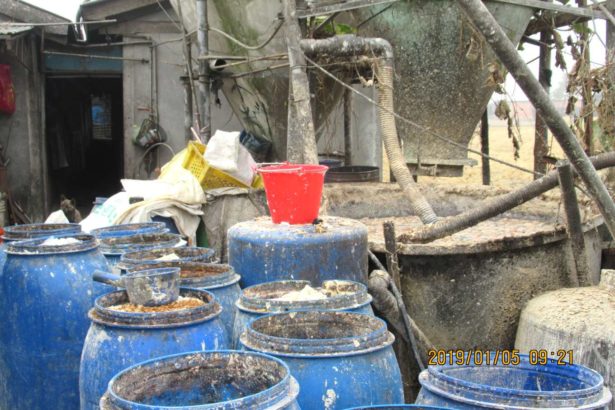
The Importance of Food Waste Sorting and an Analysis of Processing Volume and Generation Volume
The Battle Against Epidemics and Food Waste 11 (Changhua and Chiayi County/City) A Comprehensive Inventory of Food Waste Generation and Processing Capacity Across Taiwan
-
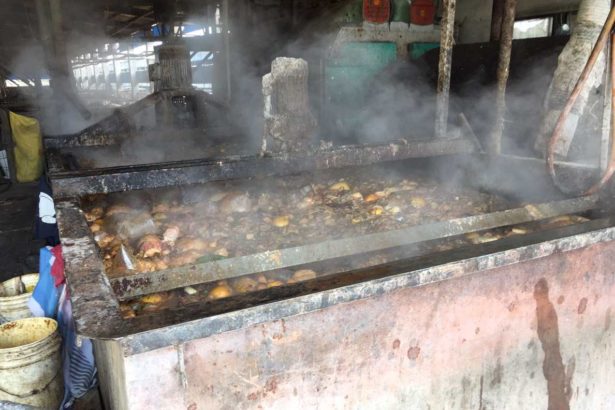
Comprehensive Inventory of Kitchen Waste Production and Disposal Capacity in Yunlin and Pingtung, and Epidemic-Prevention Kitchen Waste Processing
The Battle of Epidemic Prevention and Kitchen Waste 07"(Yunlin and Pingtung) Taiwan-wide Comprehensive Inventory of Kitchen Waste Production and Disposal Capacity (Yunlin and Pingtung)
-
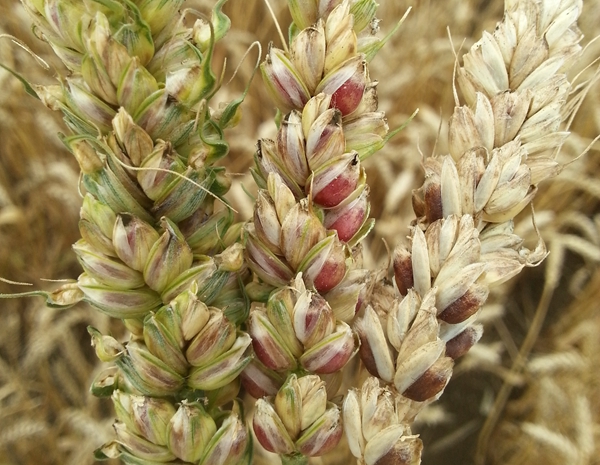
Cultivation and Processing of Colored Wheat, Peanuts, Corn and Beans in Nanyang, Henan
Cultivation and Processing of Colored Wheat, Colored Peanuts, Colored Corn and Colored Beans in Nanyang, Henan
-
Deep processing of roses paves the road to prosperity
Deep processing of roses brings prosperity, blossoms and fragrance
条件筛选