-

The era of small-scale farmers' primary processing arrives, and the COA's workshop registration certificate is equivalent to factory registration
The era of small-scale farmers' primary processing has officially arrived! Under the jurisdiction of the COA, obtaining a "workshop registration certificate" is equivalent to "factory registration"
-
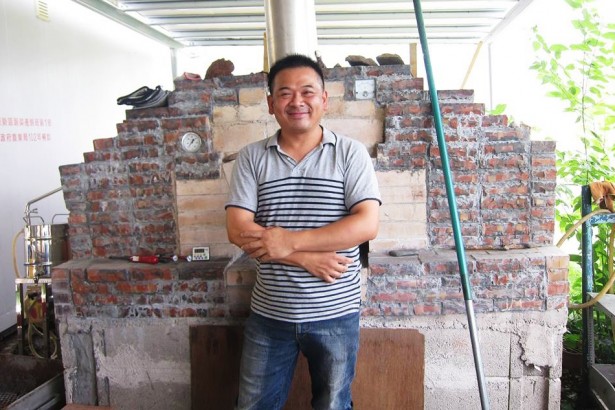
Zhang Shanfeng of Xinshe, Taichung, China offers one-stop agricultural processing services
One-stop agricultural processing by Zhang Shanfeng of Xinshe, Taichung, China
-

Detailed Explanation of the Processing Method for Liquid Fish Protein Feed
Liquid fish protein feed is made from waste or low-value fish from aquatic product processing, which is minced or ground, then mixed with a certain amount of acid or fermented with microorganisms; through the autolysis produced by the fish's own enzymes, it is liquefied into a slurry product. Because this protein feed has good storage resistance, some people also call it acid-preserved feed. Lactic acid bacteria fermentation method (molasses fermentation). Natural lactic acid bacteria fermentation: mince raw fish with no pollution source or disease, add molasses or sugarcane sugar-processing
-
Detailed Explanation of the Processing Technology of Caviar
I. Raw Materials and Equipment Raw materials: Broad bean chili paste is generally purchased from the market as the main ingredient, with some auxiliary materials added. The auxiliary materials mainly include: vegetable oil, sesame, peanut powder, tomato paste, white sugar, monosodium glutamate (MSG), caviar, etc. Equipment: steam jacketed kettle, high-pressure sterilization kettle, grinder, stainless steel basin, electronic scale, etc. II. Production Process 1. Process flow: boiling vegetable oil -> raw material paste processing -> addition of auxiliary materials (sesame, peanut powder, tomato paste, caviar) -> mixing and blending -> boiling -> cooling -> filling -> steril
-
Garlic Processing Methods: How to Make Dehydrated Garlic Flakes and Sweet-and-Sour Pickled Garlic
1. Dehydrated garlic flakes: Select fresh garlic bulbs that are well matured, free of injury, free of pests and diseases, white in color, and large in size. After removing the stem ends, separating the cloves, and peeling, slice them while keeping them wet, then rinse them in a citric acid aqueous solution to reduce the activity of garlic enzymes. Note that rinsing must be completed within 24 hours after slicing, so that the garlic flakes do not produce colored pigments due to oxidation, which would affect the color of the finished product. Place the rinsed garlic flakes in a temperature-controlled dehydrator and control the temperature in three stages: keep the temperature at around 60°C in the early stage, increase the temperature appropriately in the middle stage, and keep it above 70°C in the later stage, but it must not exceed 7
-
Detailed explanation of peach juice processing technology and flow
(1) Process flow: feeding → cleaning → cutting into halves → pitting → soaking → pre-boiling → pulping → blending → deaeration → homogenization → sterilization → filling → sealing → cooling → wiping bottles → labeling → quality inspection → boxing → warehousing (2) Process specifications (1) Raw materials: Select canning peach varieties for processing, with large size, small pit, clingstone, white or yellow flesh, and a relatively high degree of ripeness to highlight the peach flavor. Remove diseased, insect-damaged, bruised and rotten fruit, then wash. When washing, pay attention to brushing off the peach fuzz with a brush. If pesticides are present, add dilute hydrochloric acid to
-
Detailed explanation of processing techniques for almonds, dried apricots, and apricot juice
The apricot tree is one of the ancient cultivated tree species in our country and is widely distributed. Apricot fruit is a treasure in every part, containing rich vitamins and mineral elements. Every 100g of flesh contains 10g of sugar, 0.9g of protein, 1.79g of carotene, 0.02mg of thiamine, 0.03mg of riboflavin, 0.6mg of nicotinic acid, and 7mg of vitamin C. Almonds contain about 23% protein, 50%-60% fat, with an oil yield of 45.8%, and are rich in phosphorus, calcium, potassium, iron and other nutritional elements needed by the human body
-
A Detailed Guide to Post-Harvest Handling and Processing Methods for Wine Cap Mushroom
Wine cap mushroom, also known as King Stropharia, is a domesticated wild mushroom species, and in recent years there has been a trend of gradual expansion. Its mushrooms have a delicate fragrance, crisp and tender flesh, good palatability, high yield, high selling price, and very considerable economic benefits. However, its fresh products have a short storage time and are not easy to preserve. If not sold fresh in time, huge losses will be caused. In order to ensure that economic benefits are not lost, the salting processing and dried product processing techniques for wine cap mushroom are now introduced. 1. Salting processing of wine cap mushroom. 1. Harvesting. The mushroom bodies of wine cap mushroom used for salted export should be at 6-7
-
Detailed Explanation of Harvesting and Processing Methods for Pinellia ternata
I. Harvesting is generally carried out in summer and autumn after the stems and leaves have withered and the plants have fallen over. In the southern provinces, it can be done in July-August. The method is: choose a sunny day, use a hoe to dig a furrow 12-20 cm deep along the rows, dig out the Pinellia ternata tubers one by one, shake off the soil, and remove the coarse skin and fibrous roots from the surface of the medicinal material. II. Processing: Wash the fresh Pinellia ternata clean of mud, grade them into large, medium, and small sizes, put them into burlap sacks separately, first tap them lightly on the ground a few times, then pour them into a vat of clean water and rub them repeatedly, or put the tubers into a bamboo basket and beat them with a wooden stick in running water or use a peeling machine to remove the skin. After washing
-
Harvesting, Processing Methods and Technical Key Points for Pinellia ternata
Those propagated from tubers are harvested in the same year or the following year, while those propagated from seeds can only be harvested in the 3rd to 4th year. Harvesting is generally carried out in summer and autumn after the stems and leaves have withered and fallen over. After digging them out, pack them in baskets, wash off the mud and sand while they are still fresh, put them into gunny sacks and rub off the outer skin, then pour them out and wash the outer skin clean with clear water. Scoop them out and dry them in the sun to obtain Pinellia ternata. Generally, the yield of fresh tubers is 500-750 kg per mu, and the drying ratio is about 30%.
条件筛选