-

Detailed Explanation of the Surgical Procedure for Canine Third Eyelid Polyp Removal
Canine third eyelid polyp, also known as "cherry eye," is an eye disease in which the gland, due to hypertrophy and other reasons, together with the nictitating membrane, flips outward from inside the eye and becomes inflamed, causing increased eye discharge and presenting symptoms of conjunctivitis. Superficial nictitating membrane gland hypertrophy is commonly seen clinically, and it can occur in one eye or both eyes. It is a common eye disease among pet surgical conditions. Conventional treatment with eye drops, eye ointments, and antibacterial drugs often proves ineffective, while surgical excision yields satisfactory results and does not recur. In clinical work, more than 20 cases of this disease have been encountered, all of which were treated with surgical excision.
-
Correct Methods and Operating Procedures for Venom Collection from Snakes
There are two methods for collecting snake venom: "dead collection" and "live collection." "Dead collection" is a special *destructive method in which the venom glands are excised from the head of a venomous snake cut off by a processing facility, or from rear-fanged venomous snakes and sea snakes with low venom yield after they have been anesthetized and killed; it is used only occasionally under special circumstances. Generally, the "live collection" method is used so as to make full use of snake resources. Several "live collection" methods are briefly introduced below. (1) Electrical stimulation venom collection method: This method uses a weak electrical stimulation device such as a "needle anesthesia instrument," with a specially made electrode to stimulate the inner wall of the snake's mouth.
-
A detailed guide to cut rose production procedures, a must-read for growers
I. Propagation Cut roses are mainly propagated by grafting. The rootstocks used are wild rose, multiflora rose, or Rosa canina, with Rosa canina being the most ideal. Grafting propagation is carried out during the growing season, usually in mid-March or from early July to mid-September. At this time, the bark of the rootstock is easy to peel, making the operation convenient and resulting in a high survival rate. When grafting, first make a vertical cut on the rootstock, then make a horizontal cut to form a "T" shape. Then cut a shield-shaped bud piece from the scion and insert it into the cut. Then tie and secure it in place. After the scion survives, cut off the part above the cut
-
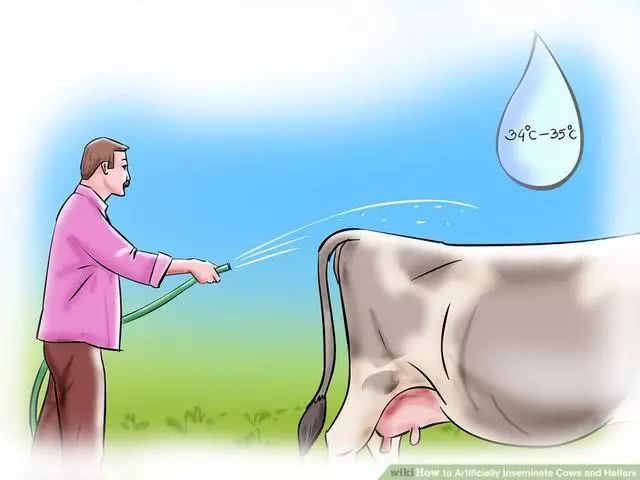
How is artificial insemination performed in cows? Be sure to handle them gently during the procedure
In modern agricultural breeding technology, many people have heard of artificial insemination, but few have seen it, especially in large livestock such as cows! After fully understanding the cow's estrus period, choose a sunny and auspicious day, and use 34-35 degree...
-
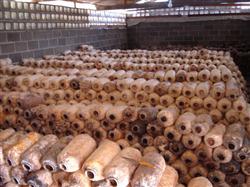
Detailed Explanation of the Technical Operating Procedures for King Oyster Mushroom Cultivation
The king oyster mushroom (Pleurotus eryngii) is a large fleshy agaric that grows in subtropical regions. Its mushroom flesh is thick, and its stipe tissue is fine, firm, snowy white and thick, with an excellent taste. It is a type of edible mushroom that sells well in domestic and international markets. Its cultivation techniques are briefly introduced as follows: 1. Culture material formulas 1. Cottonseed hulls 80%, bran 18%, gypsum 2%, an appropriate amount of lime; ...
-

Detailed Explanation of the Operating Procedures for Transporting Tree-Stump Bonsai
Bonsai are different from ordinary seedlings. Their formation often involves years of careful cultivation and continuous shaping and styling. They possess high artistic value and usually command a steep price. This is especially true of large tree-stump bonsai, which are bulky and heavy. To ensure quality upon arrival, the demands placed on loading and shipping work are naturally even higher.
-
Guide to Routine Vaccination and Epidemic Prevention Procedures for Angora Rabbits
Routine Vaccine Epidemic Prevention Procedures for Angora Rabbits
-
Operating Procedures for the Main Testing Instruments in a Feed Laboratory
Operating Procedures for the Main Testing Instruments in a Feed Laboratory
-
Detailed Explanation of Layer Hen Feed Formula Design Procedures
Layer Hen Feed Formula Design Procedures
-
Standard Operating Procedures for Nursery Pig Rearing and Management in a 30,000-Head Pig Farm
Standard Operating Procedures for Nursery Pig Rearing and Management in a 30,000-Head Pig Farm
条件筛选