-

How to prevent and treat highly pathogenic porcine reproductive and respiratory syndrome (PRRS)? A detailed explanation of the technical key points
This disease is a severe viral disease of pigs that has emerged in recent years, an acute highly lethal epidemic disease caused by a variant strain of porcine reproductive and respiratory syndrome virus. The virus is extremely contagious. In infected pig farms, the morbidity rate of piglets can reach 100%, the mortality rate can reach more than 50%, and the abortion rate of sows can reach more than 30%. It is also characteristic that growing-finishing pigs can develop the disease and die. 1. Pathogen: The pathogen of this disease is porcine reproductive and respiratory syndrome virus, caused by Lelystad virus. 2. Epidemiology
-
What are the pathogenic characteristics of duck infectious serositis?
Duck infectious serositis, also known as Riemerella anatipestifer disease, formerly called Pasteurella anatipestifer disease, can infect ducks of all breeds, sexes, and ages, mainly affecting ducklings 2 to 3 weeks old, with morbidity often reaching over 90% and mortality ranging from 5% to 75%. This disease often occurs as a mixed or concurrent infection with duck colibacillosis. It is characterized by fibrinous pericarditis, perihepatitis, airsacculitis, peritonitis, etc. 1. Pathogen The pathogen of this disease, Riemerella anatipestifer, is a Gram-negative small bacillus, non-spore-forming, non-motile
-
What Is Avian Nephropathogenic Infectious Bronchitis?
Nephropathogenic infectious bronchitis is a pathological manifestation of avian infectious bronchitis caused by coronavirus. In recent years, especially since last winter and this spring, the incidence of nephropathogenic IB in Shandong Province, China, particularly in the Qingdao area, has risen significantly, causing considerable economic losses to the poultry industry, especially the broiler industry, and thus attracting widespread attention. Nephropathogenic IB is not an independent disease caused by an independent virus; it is a special phenotype of IB virus strains in the urinary organs of chickens; or rather, it is a
-
Can Keeping Chickens, Ducks, and Geese Together with Pigs Lead to Highly Pathogenic Avian Influenza?
Poultry should not be kept together with pigs, because influenza viruses from poultry can infect pigs, and human influenza viruses can also infect pigs. Since influenza viruses have 8 different nucleic acid segments, when these two different virus particles infect a single cell together, their nucleic acid segments undergo reassortment and rearrangement to produce new types of influenza virus particles. These new influenza virus particles can often cause major epidemics in humans, resulting in great harm. In addition, chickens should not be kept together with waterfowl such as ducks and geese, because
-
Common Types of Porcine Pathogenic Diarrhea and Prevention and Control Measures
In pig production, there are many causes of pig diarrhea, such as malnutrition, improper feeding management, infectious diseases, internal diseases, parasitic diseases, etc., all of which can cause diarrhea. This article analyzes the mechanisms causing porcine pathogenic diarrhea and proposes prevention and control measures for readers' reference. 1 Classification of Common Pathogenic Diarrhea in Pigs 1.1 Viral Diarrhea 1.1.1 Transmissible Gastroenteritis This disease is an acute, contagious enteric infectious disease caused by transmissible gastroenteritis virus of the Coronaviridae family. Pigs of all ages can
-
Detailed Explanation of the Pathogenic Characteristics of Duck Aflatoxin
(1) Production of aflatoxin Aflatoxin, like other mycotoxins, is one of the metabolic products produced by toxigenic fungi during their growth and reproduction in a substrate. This toxin was discovered in 1960 during the investigation of the cause of "Turkey X disease" that affected 100,000 turkeys in the United Kingdom. The following year, it was further found that peanut meal contaminated with Aspergillus flavus could induce liver cancer in rats, confirming that aflatoxin is a carcinogenic mycotoxin. The main fungi producing aflatoxin are specific strains of Aspergillus flavus and Aspergillus parasiticus, while Aspergillus wentii and
-
What pathogenic effects does feed contamination have on fish?
Because some feed products currently contain bacteria at levels far exceeding the standard, mass fish deaths occur from time to time after fish eat contaminated feed. Based on the disease symptoms in fish, it can be roughly divided into two types: acute type (explosive) and chronic type. 1. Acute type (explosive type): After fish eat contaminated feed, disease onset occurs in as much as 3 to 5 days, or as little as 1 to 2 days, with symptoms appearing; severely affected fish have already died, and the number of dead fish shows a gradually increasing trend, but feeding is not affected, and most fish can eat normally. This kind of
-
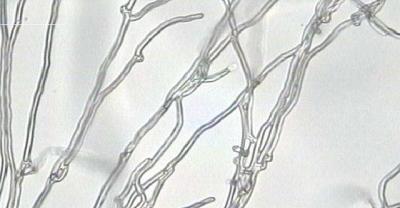
Identification and Control Methods for Non-pathogenic Diseases of Edible Fungi
II. Non-pathogenic diseases. Unsuitable living conditions, improper cultivation management measures, or genetic variation can all cause growth and development disorders and physiological disorders in edible fungi...
-
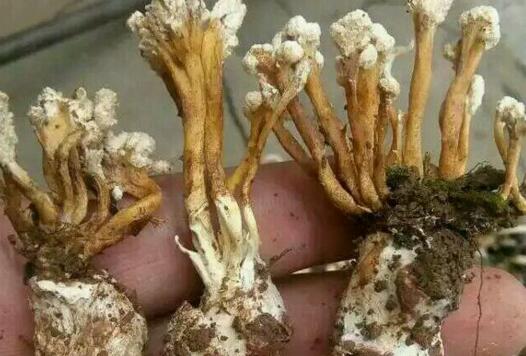
Where Golden Cicada Flower Grows as an Entomopathogenic Fungus, Plus Effective Ways to Eat It and People Who Should Avoid It
Golden cicada flower, commonly known as large cordyceps, is an entomopathogenic fungus; among the 504 species of cordyceps discovered worldwide, golden cicada flower and Chinese cordyceps are just two of them. So, where does golden cicada flower grow? How should it be eaten for the best effect? Who should not eat it? Where does golden cicada flower grow?
-
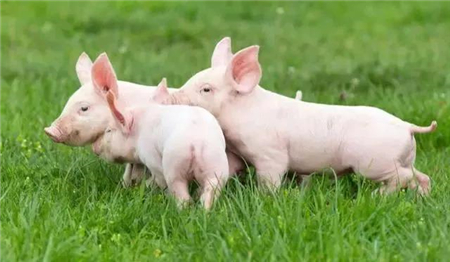
40 million pig farmers don't understand strengthening the body's resistance to dispel pathogenic factors, so what can be done when pig farm problems occur frequently?
40 million pig farmers suffer frequent pig farm problems because they don't understand "strengthening the body's resistance to dispel pathogenic factors" - do you understand it?
条件筛选