-

Phalaenopsis aerial roots are exposed outside, how do you care for them in winter so they don't freeze to death?
See those claw-like "tentacles" sticking out of your Phalaenopsis pot? Don't worry, it's not trying to "break out of jail" - these are its signature aerial roots! But many growers panic as soon as winter arrives: will these aerial roots that spend the night outside freeze stiff and die like fingers exposed to a cold wind? And how should you care for this cold-fearing little princess throughout the winter?
-

Will Phalaenopsis air roots die if they are exposed outside? How should they be cared for?
The easiest mistake for beginners growing Phalaenopsis to make is to see those aerial roots popping out of the pot and always think, "The roots are all exposed, it definitely won't live long," and then either stuff them back into the pot or simply cut them off, only to end up killing a perfectly good plant. In fact, Phalaenopsis aerial roots not only won't die when exposed outside, but it is actually a normal phenomenon,
-

Should Phalaenopsis aerial roots be tucked into the pot or left to grow outside it?
Growers of Phalaenopsis orchids have probably all faced this dilemma: those aerial roots poking out of the pot - should they be tucked back in, or just left dangling outside? Phalaenopsis aerial roots are different from the roots of ordinary plants; they were never meant to work buried in soil. Wild Phalaenopsis orchids grow on trees, with their aerial roots directly exposed to the air
-

Should Phalaenopsis roots be kept outside or inside, and do they need sun exposure?
When growing Phalaenopsis, should the roots be kept outside or inside? Do the roots need sunlight? Today, we will take a closer look at these two questions. Phalaenopsis is an epiphytic orchid, and its root system is different from that of other plants: it has aerial roots. This means they do not go deep
-
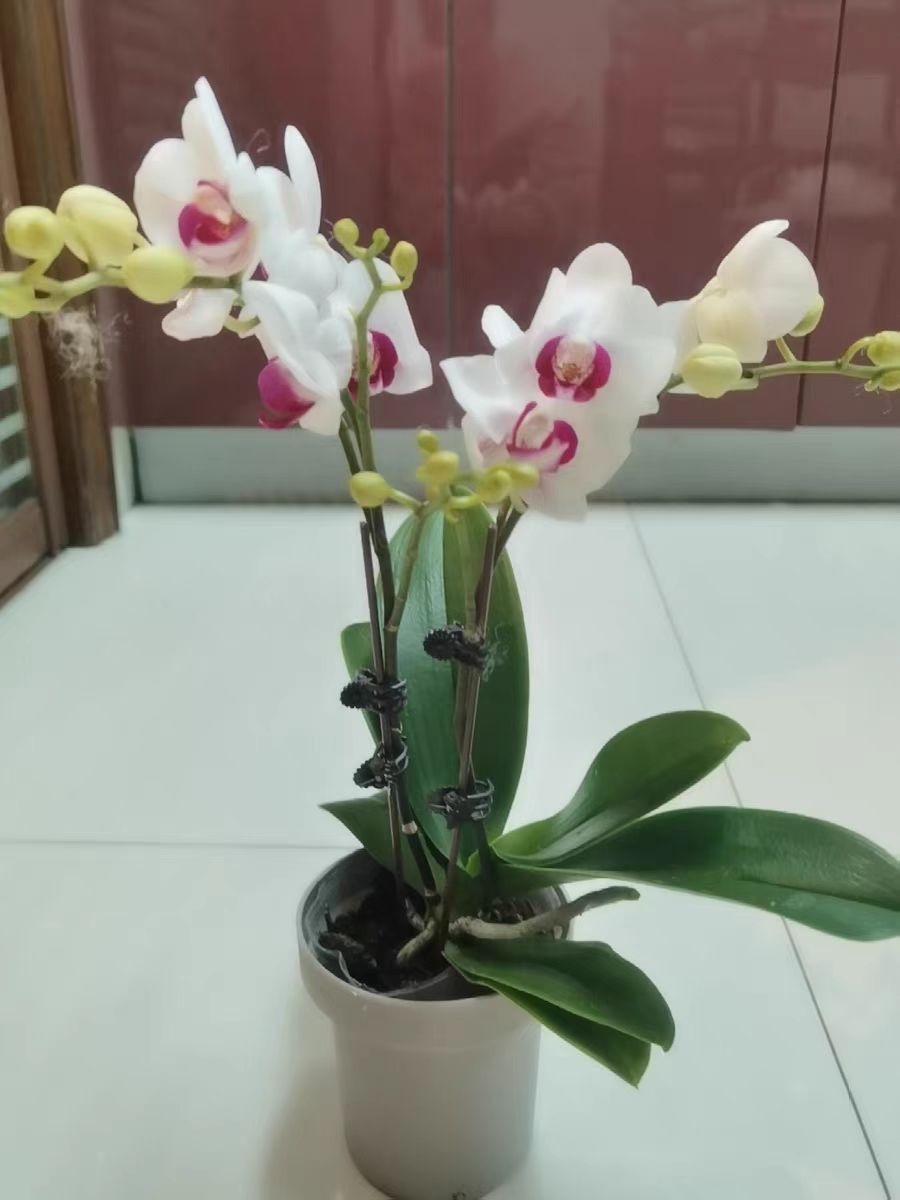
Should the roots of Phalaenopsis be placed outside or inside?
During the process of cultivating Phalaenopsis, should the roots of Phalaenopsis be placed outside or inside? Do its roots need sunlight? Today, we will take
-

Wu Xiaoyan, contestant in the selection for Jingzhou Bayberry Mountain Messenger
Candidate profile: My name is Wu Xiaoyan, a college student. I have deep feelings for Jingzhou, which is my hometown, and Jingzhou is also famous for its high-quality bayberries. With the rise of the internet wave, letting Jingzhou bayberries reach the outside world through the "Internet Plus" model
-
How Many Years Can a Hedgehog Live? Understanding the Hedgehog's Lifespan in One Article
Except for its belly, a hedgehog's entire body is covered in stiff spines, but it has a gentle temperament and is small and cute, and it is being loved by more and more people. However, wild hedgehogs are currently becoming fewer and fewer, and their lifespans are relatively short, so how long is a hedgehog's lifespan? 1. The hedgehog's lifespan is
-
How to grow orchids, and can they be placed outdoors on rainy days?
Orchids can also be called Chinese orchids, spring orchids, mountain orchids, and so on. In our country, orchids rank fourth among the ten famous flowers and have always been loved by the public. As plants of the subtribe Microstylinae, orchids have a cultivation history of more than one thousand years in our country. Because they are elegant and understated, they fit very well
-
Can apricot trees be planted outside the yard, and when is the best time to plant them?
The apricot tree is a tree that grows apricots and is relatively common in the Xinjiang region of China. Because its fruit is sweet and sour and tasty and its tree shape is attractive, many people like to plant one in their yard. However, because the apricot tree is special, it is generally not recommended to plant it in the yard. So can it be planted outside the yard?
-
What Are Chestnut Seeds? Inside the Hard, Spiky Outer Shell Is the Chestnut We Commonly Eat
Abstract The chestnut seed is the chestnut we commonly eat plus its outer astringent skin. The chestnut fruit is wrapped in a layer of hard spines, and only after the hard spines open is the chestnut revealed. Generally, there are about 3 chestnuts inside one chestnut fruit. Usually the chestnuts we eat are
条件筛选